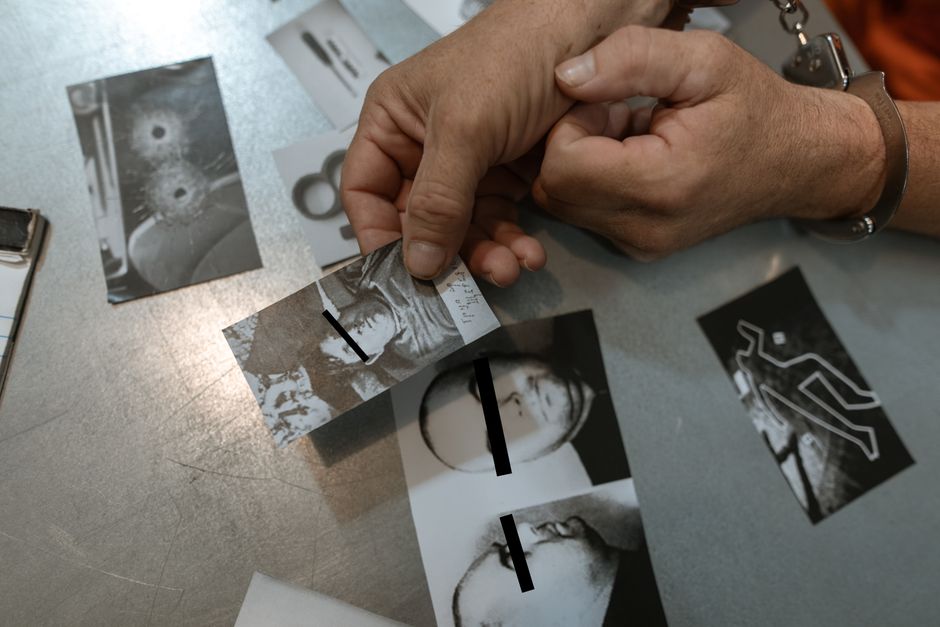
Cold cases frames the debate here: The anguish of a family searching for justice is a universal experience, yet the case of a British toddler in Australia underscores a disturbing truth: when it comes to cold cases, the family often bears the heaviest burden. According to BBC, a new inquiry in New South Wales is set to explore whether the notorious serial killer Ivan Milat was responsible for more murders than previously believed, reigniting the pain of those who have lost loved ones.
The Family’s Plea for Accountability
The inquiry comes at a time when many families of cold case victims are left to grapple with unresolved grief and unanswered questions. Families often feel abandoned by the very institutions meant to protect them. In this instance, the family of the British toddler is not just seeking answers about their child; they are also voicing their frustration at the police’s handling of the investigation. This situation highlights a troubling pattern: when the police fail to connect the dots in high-profile cases, it is often families who are left to pick up the pieces.
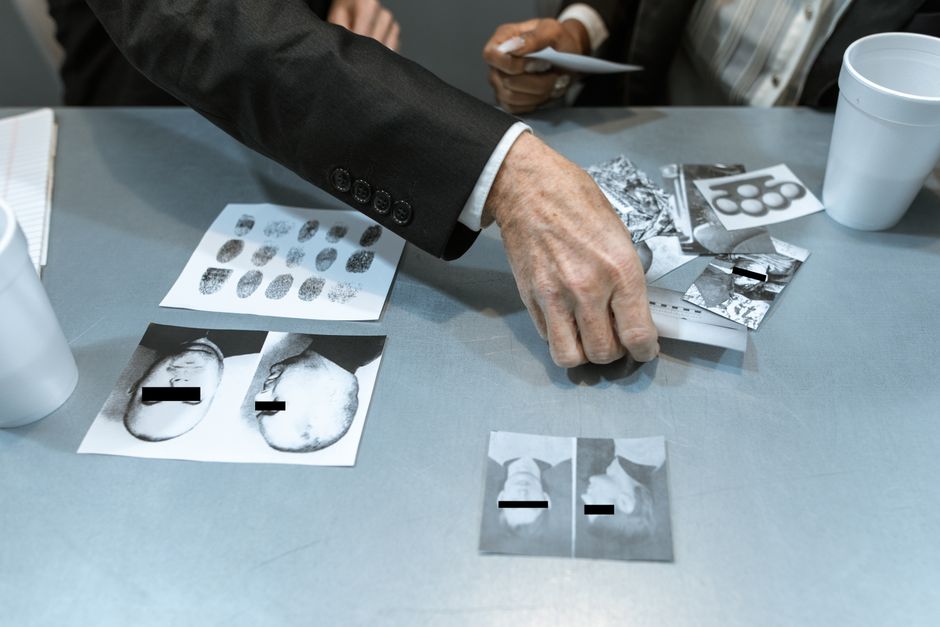
This inquiry is crucial. It not only seeks to provide answers to families but also to uncover the truth about Milat, a name that has been synonymous with horror in Australian criminal history. With multiple murders potentially linked to him, the stakes could not be higher for the families still reeling from loss. They deserve transparency and thorough investigation, not just platitudes from authority figures.
The Stakes for Families and Justice
This inquiry isn’t merely procedural; it has significant implications for families seeking closure. If Milat is found to be responsible for more murders, it validates the fears of countless families who feel their loved ones’ cases may have been mishandled or overlooked. Furthermore, it sheds light on the failures of law enforcement that can stretch over decades. Families often endure a double trauma: the loss of their loved ones and the agony of knowing that justice may never be served.
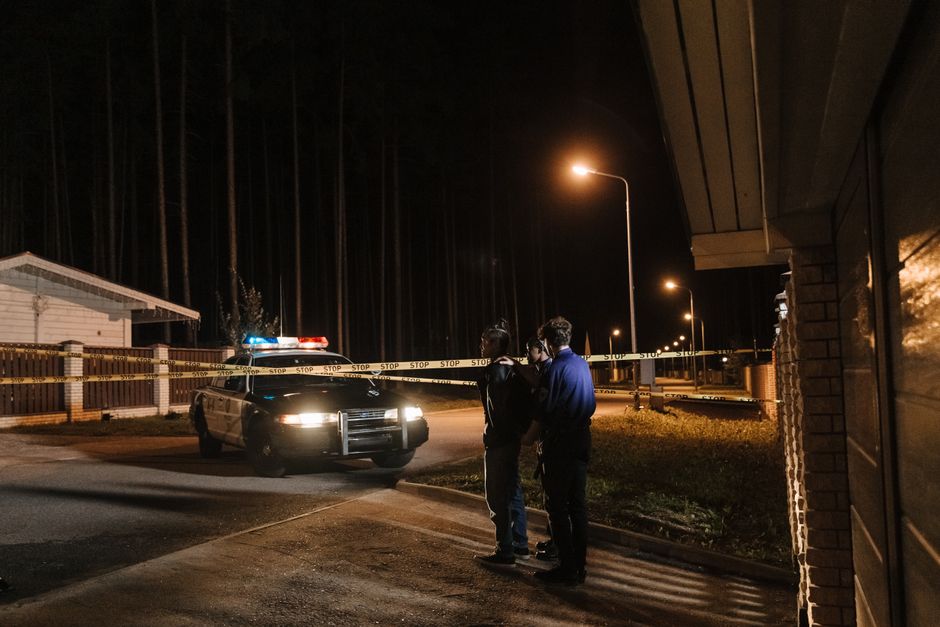
On the flip side, the inquiry could also open old wounds. Families may find themselves grappling not only with the memories of their loved ones but also with the harsh realities of new findings. If the inquiry exposes failures within the police force, it may prompt systemic changes, but it could also lead to a wave of anger and resentment.
The stakes extend beyond just the families involved. This inquiry has the potential to reshape public trust in law enforcement agencies. If the families feel let down by the very institutions meant to protect them, that trust erodes, creating a ripple effect throughout the community.
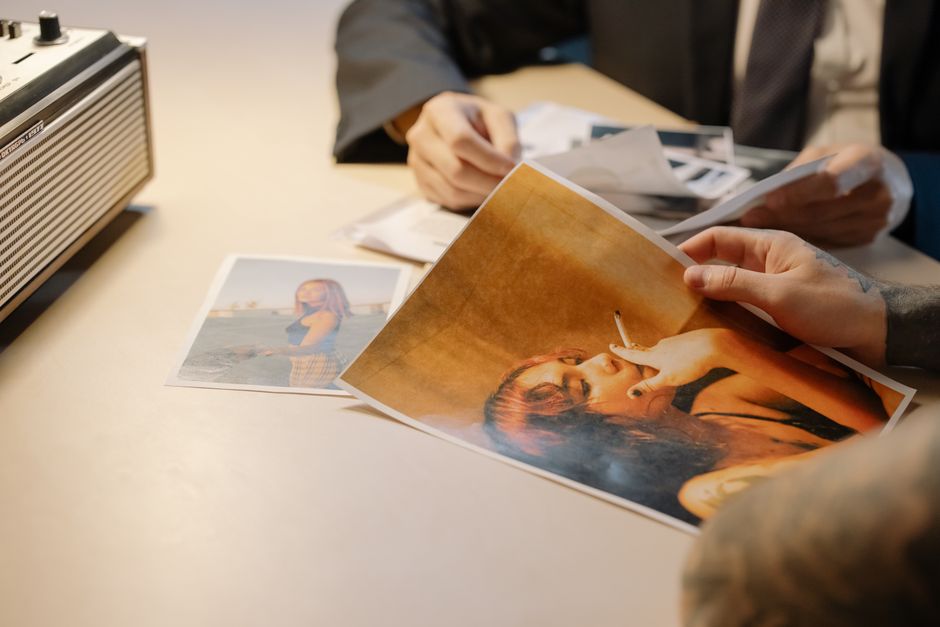
In the end, the real winners will be those families who finally receive the acknowledgment and accountability they deserve. Conversely, the police could face significant backlash if they are found complicit in negligence. The mainstream media often glosses over the emotional fallout for families in cold cases, but the reality is that they live with the uncertainty daily.
As this inquiry begins, we must ask ourselves: will it finally bring justice for families who have long suffered in silence, or will it merely serve as another reminder of how easily the system can fail? Only time will tell, but one thing is clear: the families deserve more than just empty promises; they deserve real answers and justice.
Source: BBC Asia