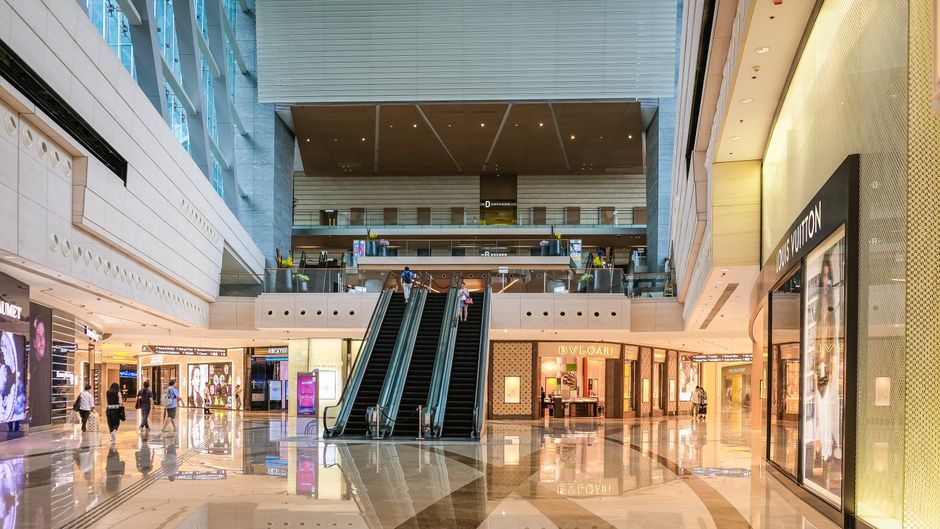
How Shanghai’s luxury retail war escalates, offering a stark glimpse into the future of urban consumption, and why this particular strategy matters now.
This week, an analysis in WWD shone a spotlight on the cutthroat competition among Shanghai’s high-end mall operators, specifically Swire Properties’ HKRI Taikoo Hui and Hang Lung Properties’ Plaza 66. The report isn’t an interview in the traditional sense, but a deep dive into the evolving strategies shaping the iconic West Nanjing Road. It offers a compelling narrative of strategic pivot, moving beyond mere tenant acquisition to crafting ‘destination-driven experiences’ as the new battleground.
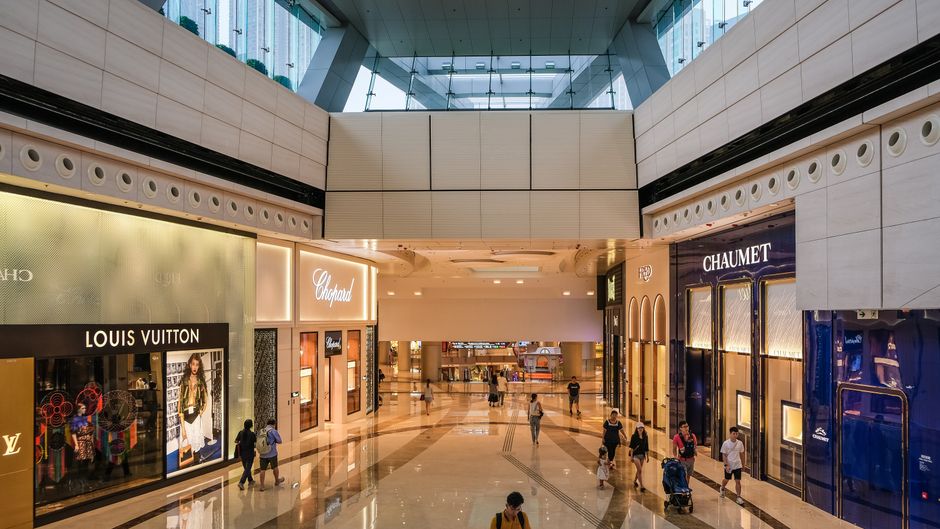
The context is clear: China’s affluent consumers are increasingly discerning, and their loyalty is notoriously fleeting. In an economic climate that demands both relentless innovation and shrewd resilience, these luxury behemoths are battling not just for sales figures, but for the very soul of the shopping experience itself. West Nanjing Road, long a symbol of Shanghai’s aspirations, has become a micro-economy of its own, where brand prestige meets architectural spectacle in a high-stakes game.
What landed
The WWD analysis pinpointed a critical, if not entirely novel, shift: the battle for affluent shoppers now hinges on creating unique ‘destination-driven experiences’ rather than simply securing a prestigious roll call of premium tenants. This isn’t just about stocking the latest designer bags or housing a Michelin-starred restaurant; it’s about curating an entire ecosystem designed to captivate, entertain, and ultimately retain the high-spending demographic. The implication, as WWD outlines, is that merely existing as a luxury brand hub is no longer sufficient; the surrounding environment, the bespoke services, the cultural programming, and the overall ‘vibe’ are paramount.
This suggests a significant maturation of the market, where consumers seek more than just transactional exchanges—they crave immersion, entertainment, and exclusivity that extends beyond the product itself. For years, the gold standard was a formidable list of global luxury brands. Now, the article implies, the metric of success is subtly but significantly shifting towards how long a shopper lingers, how deeply they engage with the space, and how memorable their visit truly is. It’s a redefinition not just of real estate, but of the very psychology of luxury retail, aiming to transform a shopping trip into a lifestyle event.
What doesn’t add up
While the narrative of ‘destination-driven experiences’ is certainly compelling, one can’t help but notice the quiet omissions regarding the long-term sustainability of this hyper-curated model. The WWD piece, while celebrating the strategic pivot, doesn’t quite unpack the immense capital outlay required for such continuous innovation. Every new immersive installation, every bespoke event, every pop-up art exhibition designed to create FOMO comes with a hefty price tag that must be perpetually renewed and refreshed. The fundamental question remains: at what point does the escalating cost of the ‘experience’ begin to erode the profit margins of the very luxury goods it aims to sell, or indeed, the developers themselves?
Moreover, the emphasis on ‘redefining the high-end shopping experience’ glosses over a persistent contradiction in an increasingly digital world. While physical spaces are undoubtedly evolving, the core tension between the undeniable convenience of online shopping and the allure of offline spectacle persists. Are these elaborate ‘destinations’ truly immune to the siren song of e-commerce, or are they merely a sophisticated, high-budget delaying tactic in what many see as an inevitable, broader digital shift? The article, in its focus on the ‘what’ of the strategy, left the ‘how long’ these experiences remain novel and ‘at what cost’ they deliver genuine ROI largely unexamined. This presents a somewhat idealized vision of an unending arms race for experiential dominance, rather than a pragmatic assessment of its economic realities.
Perhaps the most significant ‘spin’ here is the framing of this as a complete *shift* away from “securing luxury tenants.” While the focus may have broadened, it’s hardly a contradiction to suggest that a strong tenant mix remains the bedrock. One might infer from the article that the previous focus was somehow less strategic, rather than simply a foundational layer upon which these new, more elaborate experiences are being built. It’s less a true contradiction and more a strategic omission, designed to highlight the exciting new frontier rather than the enduring, often unglamorous, fundamentals that still underpin success. The article, in its enthusiasm for the new, perhaps underplays the continued importance of the old.
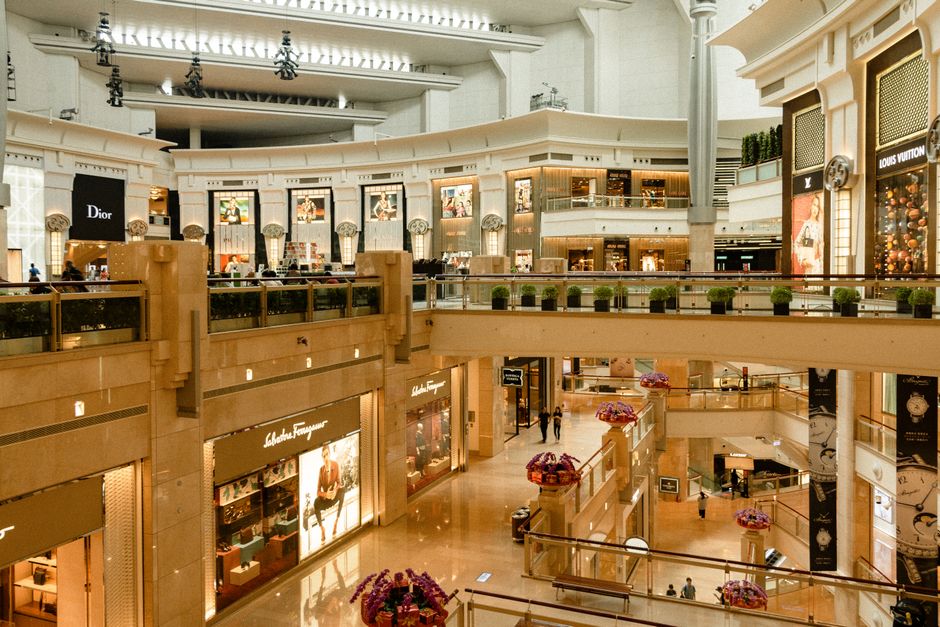
Come Monday morning, for those entrenched in luxury retail across Shanghai and beyond, the directive is clear: innovate or face the very real threat of irrelevance. For the affluent shopper, it means even more dazzling spectacles vying for their attention, promising new thrills around every corner. But for the discerning analyst, the real test will be whether these glittering new destinations can deliver sustainable, long-term profits, or if this experience economy is merely creating ever more beautiful, yet ultimately more fragile, castles in the air, vulnerable to the next economic gust.
Source: OnTheRecord