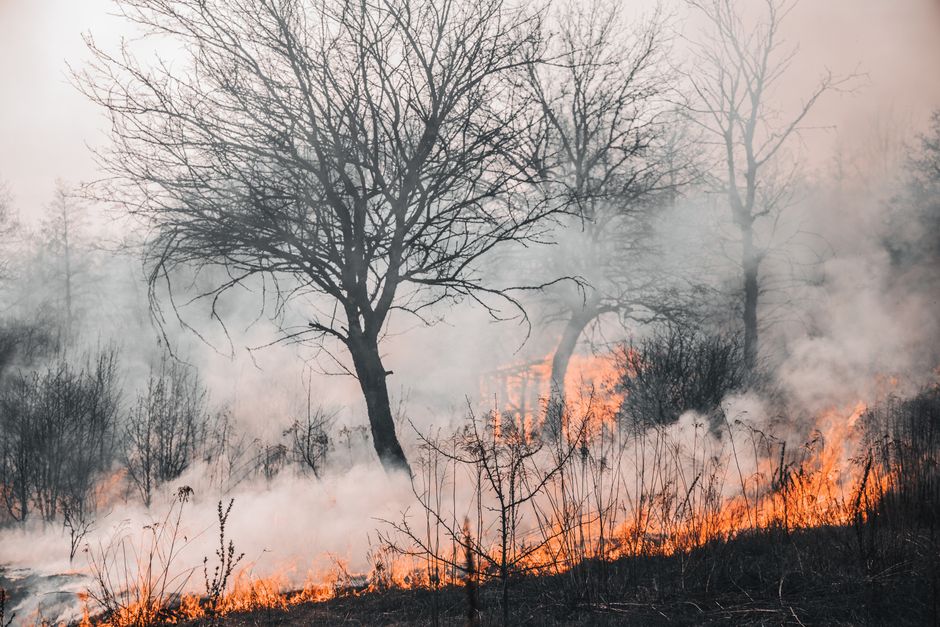
Another summer, another inferno. The annual ritual of **wildfires** tearing through Southern Europe is upon us, but what if this isn’t just ‘nature’s course’ anymore? What if it’s a stark, uncomfortable truth about policy failures and a collective shrug from those in power? This isn’t merely a natural disaster; it’s a glaring symptom of deeper systemic issues that our leaders seem intent on ignoring until the next conflagration forces their hand.
DW News reports that a devastating wave of blazes is currently sweeping across six countries in southern Europe, including Portugal, Greece, France, and Spain. The sheer scale is alarming, with authorities in France even warning that a significant fire in the southwest could threaten Monday’s third stage of the prestigious Tour de France cycling event. This isn’t just about lost land; it’s about disrupted lives, threatened infrastructure, and major economic events hanging precariously in the balance.
Southern Europe’s Fiery Reality
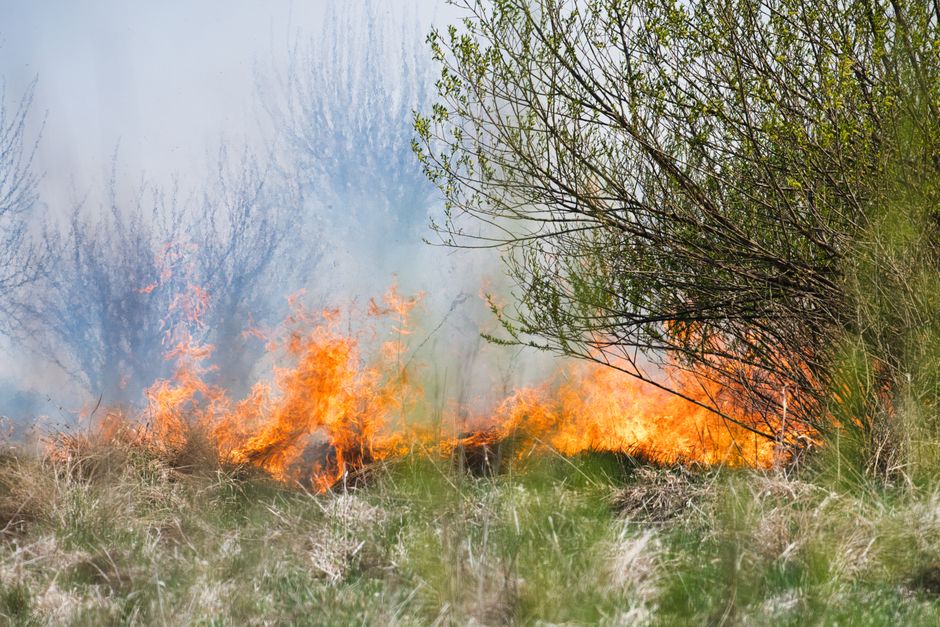
The reemergence of these massive **wildfires** as summer heat intensifies isn’t a surprise to anyone paying attention. For years, the Mediterranean basin has been flagged as a climate change hotspot, making it particularly vulnerable to extreme heatwaves and prolonged droughts. These conditions create a tinderbox, turning even small sparks into uncontrollable infernos that devour vast swathes of land. The current situation isn’t an anomaly; it’s a predictable, tragic pattern that has become the grim backdrop to Europe’s summer.
What makes this reality even more bitter is the region’s heavy reliance on tourism and agriculture. Every acre burned represents not just ecological devastation but also direct economic blows to communities already struggling with volatile global markets. Vineyards are scorched, ancient olive groves destroyed, and beloved holiday destinations are shrouded in choking smoke, impacting everything from local livelihoods to national GDPs. This isn’t just an environmental crisis; it’s a profound economic and social one, demanding a political response far more robust and visionary than what we’ve witnessed to date. The primary players here are not just the brave firefighters; they are the vulnerable populations, the stressed ecosystems, and the governments perpetually playing catch-up.
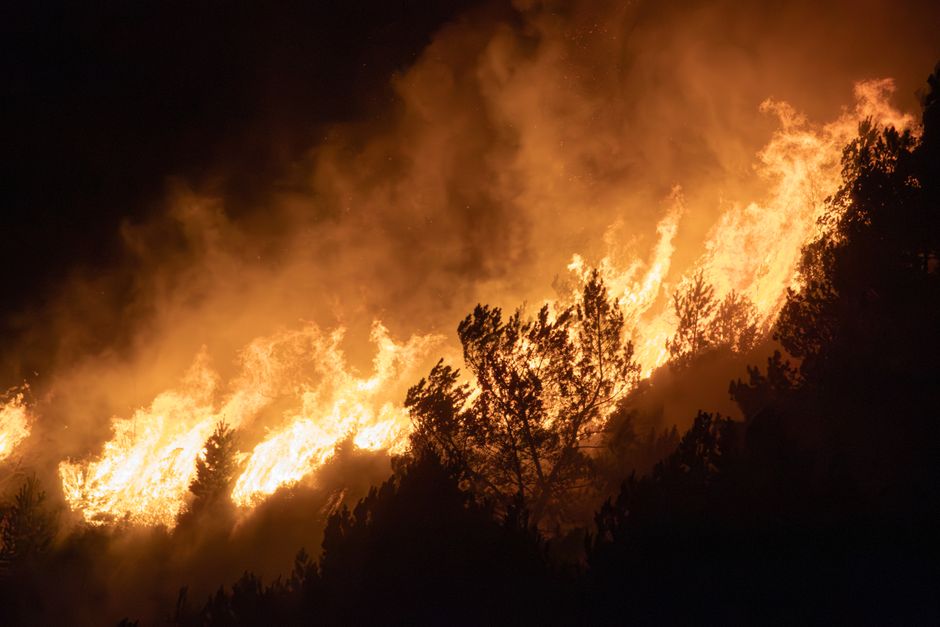
This recurring crisis highlights a critical disconnect: the short-term political cycle clashing violently with the long-term environmental imperative. Each year, we see reactive measures – more planes, more emergency personnel – which are undeniably heroic and essential in the moment but fundamentally insufficient. The underlying issues of inadequate land management, the ongoing rural depopulation that leaves forests unmanaged, and insufficient forestry policies remain largely unaddressed. It’s a tragedy that unfolds with grim predictability, yet the political will to enact transformative, preventative change seems to evaporate with the smoke each autumn. We are witnessing a slow-motion disaster that our political class seems content to manage rather than prevent.
The Political Pyre of Inaction
Here’s the uncomfortable truth the mainstream media often shies away from: the rampant **wildfires** in Southern Europe aren’t just an act of God or an unfortunate turn of the weather. They are, in large part, a catastrophic failure of governance and foresight. Who truly loses in this annual calamity? The local populations who see their homes, their heritage, and their entire livelihoods vanish in a plume of smoke, year after brutal year. The environment, which loses centuries of biodiversity and takes decades, if not longer, to recover from such intense heat. And ultimately, the credibility of political leaders who offer hollow thoughts and prayers instead of concrete, preventative action.
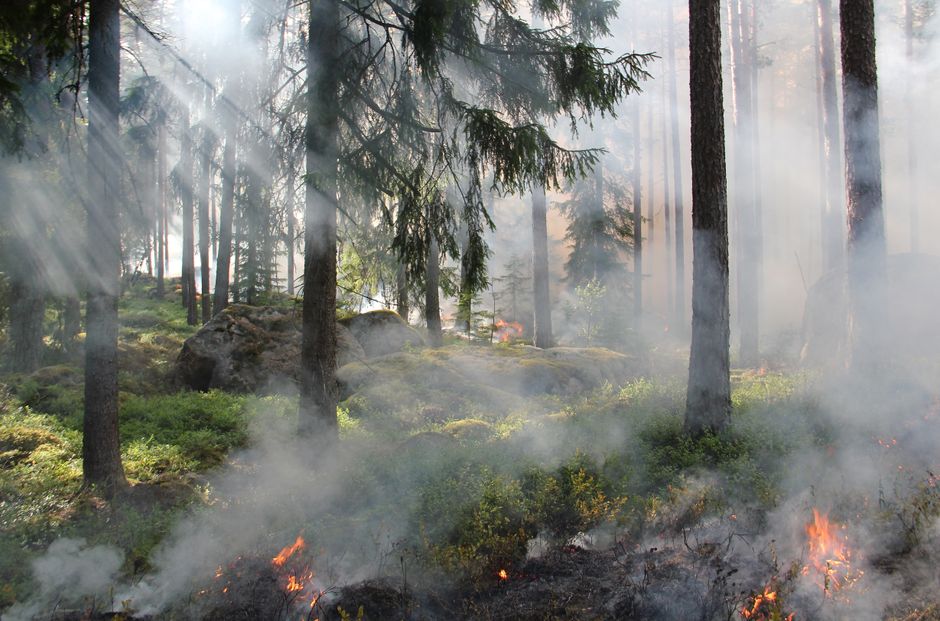
Who gains from this cycle? Arguably, no one directly benefits from the destruction itself, but the inertia benefits those who prefer the status quo. Developers eyeing cleared land, perhaps, or industries that profit from the emergency response rather than its prevention. More broadly, it’s the political class that avoids making difficult, unpopular decisions about land use planning, climate adaptation strategies, and crucial rural investment. They punt the problem down the road, preferring to look decisive in the face of disaster rather than proactive in its avoidance. This isn’t a partisan issue; it’s a systemic one, where the immense cost of doing nothing is continuously paid by the most vulnerable, while the powerful maintain their comfort and their positions.
The mainstream narrative often focuses exclusively on the heroism of firefighters – and rightly so, their bravery is beyond question. However, it rarely digs deep enough into *why* they are forced to be heroes every single summer. It misses the chronic lack of sustainable forestry practices, the unchecked urban sprawl creeping into dangerous wildland interfaces, and the insufficient investment in early warning systems and genuine community resilience. Politicians offer grand statements and emergency funds after the fact, but where is the systemic overhaul? Where are the robust policies that address the root causes of increased fire risk, rather than simply battling the devastating symptoms? Some might argue that these are incredibly complex issues requiring immense resources, and indeed they are. But complexity is not, and never can be, an excuse for political paralysis, especially when the consequences are so devastatingly clear. The true scandal isn’t just the fires themselves, but the predictable, almost ritualistic, inaction that precedes them.
The smoke rising over Southern Europe isn’t just from burning forests; it’s from burning bridges of trust between citizens and their leaders. Until our governments stop treating these annual infernos as freak accidents and start seeing them for the systemic crisis they are – a crisis fueled by climate change and exacerbated by political myopia – Southern Europe will continue to burn. And with it, our collective faith in their ability to govern in the face of undeniable truth. The question isn’t *if* it will happen again next year, but how much more we’ll let burn before we demand real, transformative change.
Source: DW News