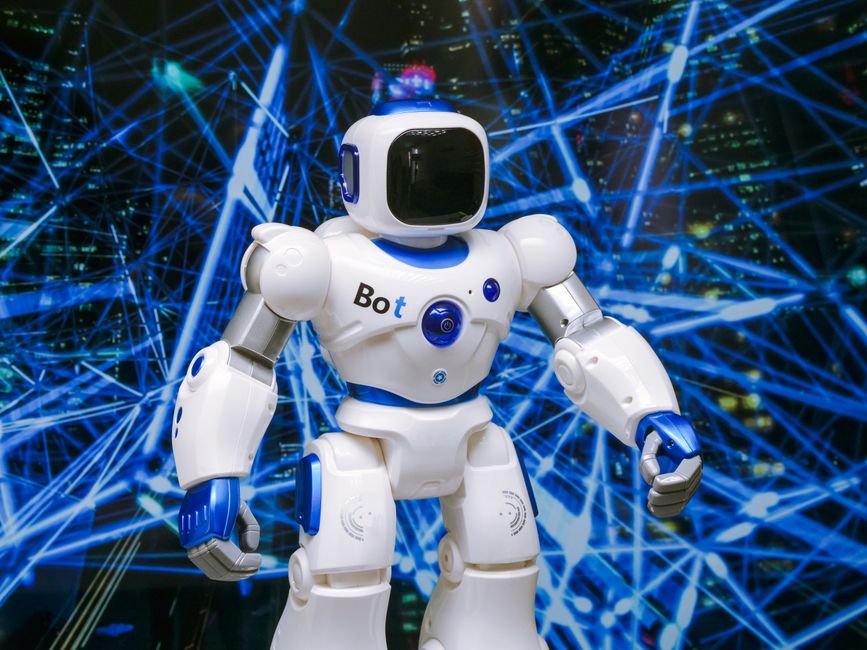
The truth hurts: the vast landscape of technology is littered with promises that rarely deliver. With artificial intelligence being hailed as the next great leap, we must ask—will it really transform our lives, or is it just another shiny object distracting us from deeper societal issues? According to a recent piece from mindmatters.ai, the current review of AI technologies is essential, but it raises questions about genuine advancement versus mere hype.
The publication highlights the twelfth part of its ongoing series on AI, examining the evolution, challenges, and futuristic aspirations of this transformative technology. As the discussion around technology continues to evolve, it’s critical to understand what AI can truly offer and where it might fall short.

The Current State of Technology and AI
We find ourselves at a crossroads in technology, particularly concerning AI. The potential for AI to reshape industries, streamline processes, and enhance human capabilities has been well-documented. However, as advancements surge forward, we must remain vigilant about the ethical implications, biases, and potential job displacements that often accompany these innovations. The industry comprises players ranging from tech giants investing billions into AI research to startups attempting to carve out niches in this turbulent market.
The recent focus on AI is not just about developing smarter algorithms; it’s about how these technologies will integrate into our daily lives. The implications of widespread AI adoption could be profound, affecting everything from privacy concerns to employment rates. Yet, amid this technological revolution, there are voices calling for caution, urging us to scrutinize whether we are adopting technology for technology’s sake.

The Stakes of Technology in AI Development
So, who really wins in this high-stakes game of technological advancement? Companies that can harness AI effectively will likely enjoy unprecedented growth and influence. On the flip side, those that lag behind risk obsolescence, unable to compete in a market rapidly reshaped by these intelligent systems. However, this isn’t just a corporate battle; it’s about society at large. The mainstream narrative surrounding technology often overlooks the risks of unequal access and the potential for exacerbating existing inequalities.
Additionally, the rapid pace of AI development risks outstripping our capacity to govern it effectively. If we aren’t careful, we could end up with a future where technology operates unchecked, leading to outcomes that serve only the privileged few. Critics argue that without comprehensive regulatory frameworks, the technology sector may plunge headfirst into a dystopian reality.

In this debate, it’s crucial to emphasize transparency and accountability. Consumers deserve to understand how AI-driven technologies affect their lives and livelihoods. As we continue to embrace innovation, we must also ensure that it aligns with ethical standards that prioritize human welfare.
As we reflect on technology’s role in shaping our future, the question lingers: Are we truly equipped to handle what comes next? The race to innovate is exhilarating, but without responsible stewardship, we risk creating a future that serves as a cautionary tale rather than a triumph. The path of technology is winding and fraught with peril; we must navigate it with both eyes wide open.
Source: Google — Technology & AI