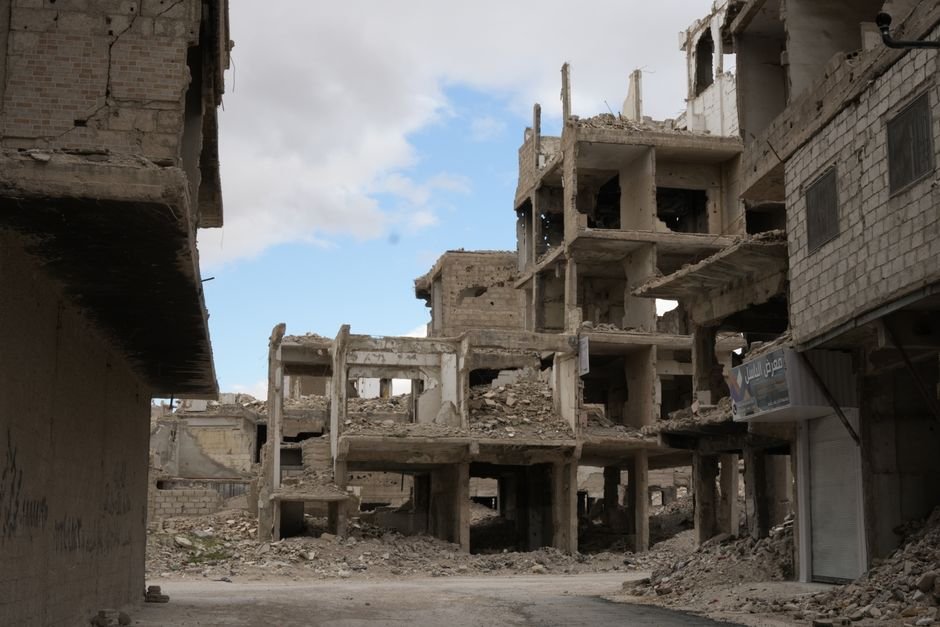
Is a U.S.-Iran war the wake-up call the world needs, or is it just another step into the abyss? The World Bank has issued a chilling warning that such a conflict could push the global economy to a post-COVID low, particularly affecting the already fragile economies of the Middle East. The implications are staggering.
According to Al Jazeera, the World Bank’s report suggests that escalating tensions between the U.S. and Iran could lead to significant economic repercussions, not just for the nations involved but for countries worldwide. The specter of war hangs heavy over oil markets, trade routes, and diplomatic relations, making this a critical issue for investors and policymakers alike.
The Stakes in the Middle East
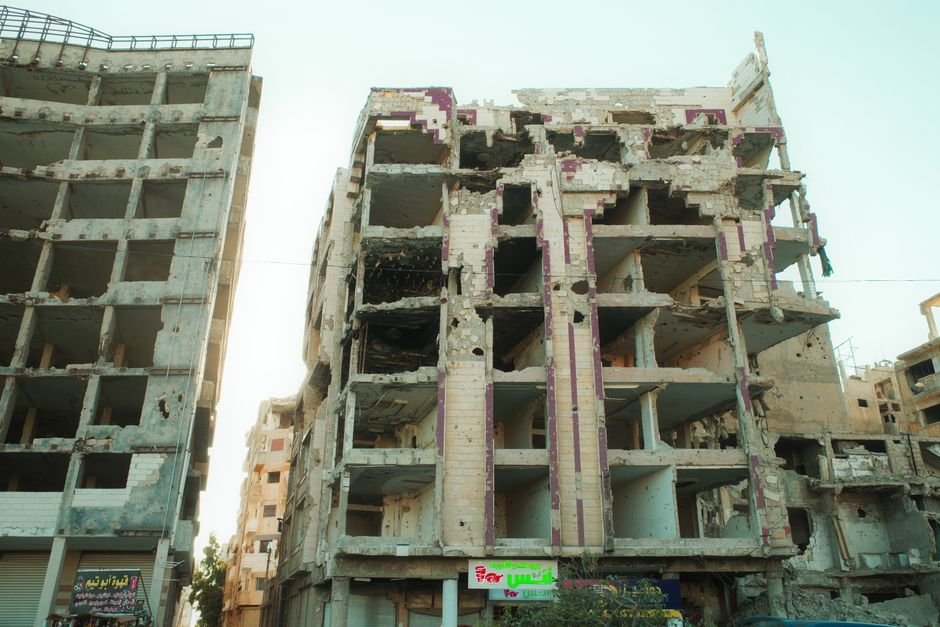
Why does this matter now? The Middle East is already a powder keg of political turmoil and sectarian violence. Recent actions by the U.S. — including increased military presence and sanctions — have only amplified tensions with Iran, a nation already reeling under economic sanctions and internal dissent. This isn’t just about two countries flexing their military muscles; it’s about a region that holds a substantial share of the world’s oil reserves and a critical role in global supply chains. A war would lead to skyrocketing oil prices and a ripple effect across international markets, threatening to plunge the global economy back into crisis.
As we stand on this precipice, it’s essential to recognize the players involved. The U.S. sees Iran as a destabilizing force, while Iran believes it’s defending its sovereignty and regional influence. Allies and foes alike must navigate this precarious situation, with nations in the Middle East caught in the crossfire. Countries like Saudi Arabia and Israel are keenly watching the developments, ready to act in defense of their interests.
Who Wins and Who Loses?
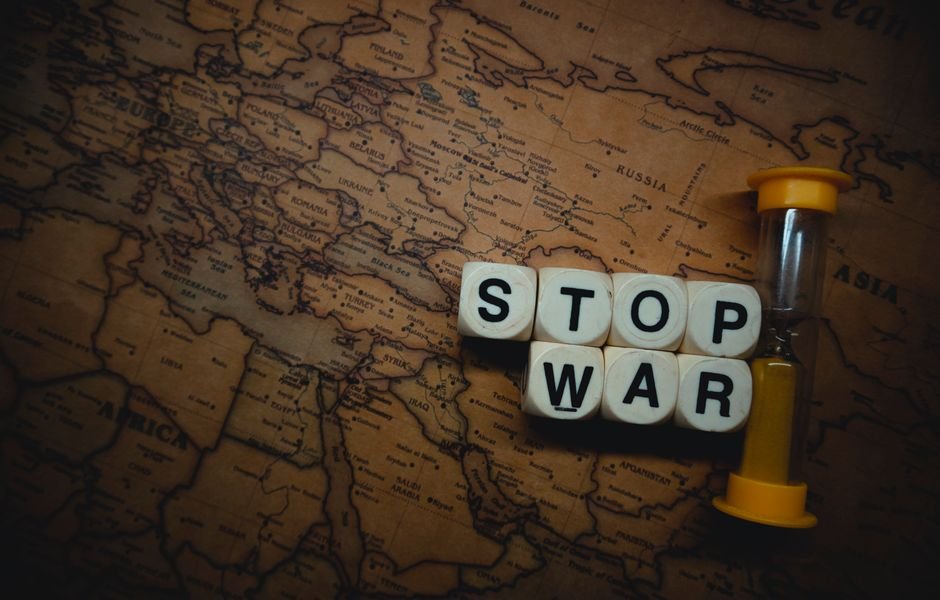
So, what happens if a conflict ignites? It’s clear that no one wins in war, but some will certainly lose more than others. The immediate fallout would be catastrophic for the Middle East, with devastating human costs and economic fallout that could take decades to recover from. On the other hand, if the U.S. were to successfully neutralize Iran as a military threat, it could bolster American influence in the region, but at what cost?
The mainstream media often glosses over the long-term repercussions of such armed conflicts. What happens to a region already fraught with instability when the bombs start falling? The humanitarian crisis would be unimaginable. Conversely, a diplomatic resolution could provide the Middle East with a rare opportunity to stabilize and rebuild. Yet, as history shows, diplomacy is often a casualty of rising tensions.
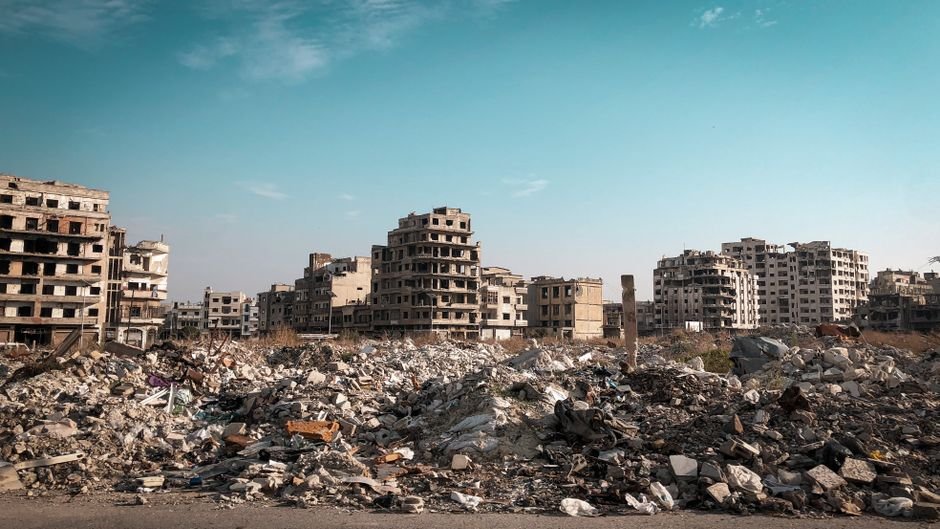
As the world holds its breath, the question lingers: Are we witnessing the beginning of a new chapter in Middle Eastern conflict, or will cooler heads prevail? The potential for disaster is real, and the economic fallout could resonate well beyond the Middle East, pulling nations into a recession we’re not prepared for.
In a world still grappling with post-COVID challenges, it’s time to consider whether we’re ready to march toward another war. Or maybe the real answer lies in addressing the underlying issues of power, security, and economic stability in the Middle East before it’s too late.
Source: Google — Middle East