
AI is revolutionizing drug discovery, but are we about to hit the limits of this technology? As we dive deeper into the intersection of technology and pharmaceuticals, we must ask ourselves: how much can AI really do before it hits a wall? According to Drug Target Review, advancements in AI are promising, but they also reveal a stark reality about the limitations of technology in drug development.
The latest insights highlight the significant strides made in AI applications for drug discovery, with researchers reporting faster and more efficient processes. However, there’s an undeniable hiccup: the complexity of human biology and the unpredictable nature of drug interactions continue to challenge even the most sophisticated algorithms.
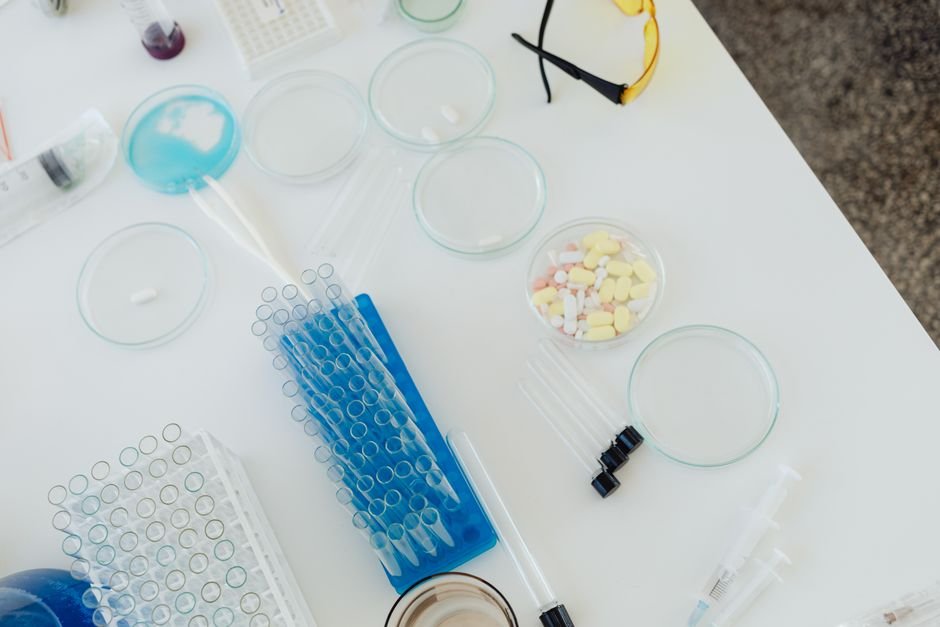
The Complex Reality of Technology in Drug Discovery
So why does this matter now? The pharmaceutical industry has long grappled with the staggering costs and timeframes associated with bringing new drugs to market. As the global health crisis evolves, the pressure is on to develop faster solutions. Amidst this urgency, technology such as artificial intelligence offers hope. But hope is not a strategy. The reality is that AI can analyze vast datasets, predict outcomes, and even design molecules. Yet, it cannot replace the nuanced understanding that experienced scientists bring to the table.
Furthermore, the players involved are a mix of established pharmaceutical giants and nimble biotech startups, each vying for market share in a competitive landscape. With high stakes and the promise of groundbreaking therapies, the race to harness AI’s potential in drug discovery has never been more intense. Meanwhile, skeptics point out that relying too heavily on technology could lead to overlooking critical biological factors that may not be quantifiable.
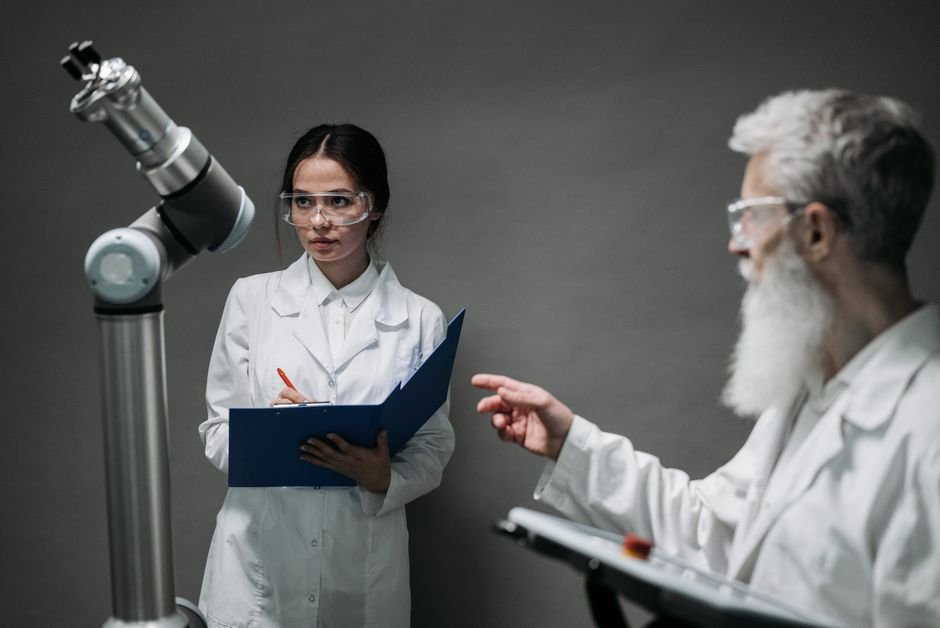
The Double-Edged Sword of Technology
The hot take here is that while AI in drug discovery is a game changer, it’s also a double-edged sword. The wins are substantial: faster drug development cycles could mean life-saving treatments reach patients sooner. However, the potential losses could also be catastrophic if AI leads to incorrect predictions or overlooks necessary clinical insights. The mainstream narrative often romanticizes the technological advancements without adequately addressing these risks.
There’s also a dangerous presumption that technology can solve all problems. This mindset might lead to reduced investment in traditional research methods, resulting in a narrower understanding of drug development rooted in human expertise and biological realities. If companies begin to rely on AI exclusively, they may be setting themselves up for failure when the technology inevitably falters.

In the short term, we might see impressive results and a surge in AI-driven drug discoveries. However, the long-term implications could include a backlash against technology if it cannot consistently deliver results. The true test of AI in drug discovery will not be measured by the number of drugs it helps develop but by how well it integrates with, rather than replaces, human intuition and experience.
It’s time to temper our excitement about technology with a dose of reality. While AI might offer unprecedented insights into drug discovery, let’s not forget the adage: if it sounds too good to be true, it probably is. As we forge ahead into this brave new world, we must remain vigilant about the limitations of technology and the critical need for a balanced approach in the quest for pharmaceutical innovation.
Source: Google — Technology & AI