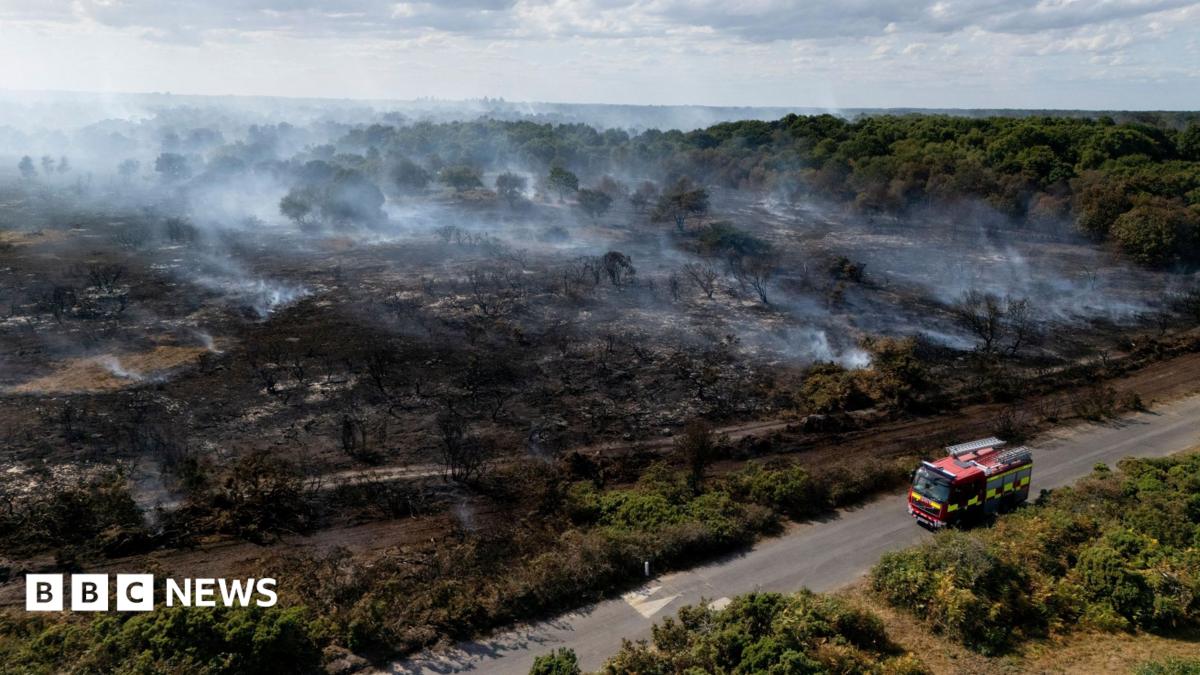
Lives are being gambled away on the back‑burner of British policy, and Baroness Brown’s warning should sound like an alarm bell rather than a polite request. The committee chairwoman’s stark phrase – “Lives will be lost unless the UK does more to combat wildfires” – cuts through the usual political niceties and forces us to confront a looming crisis that the public, the media, and Westminster have all chosen to downplay.
According to BBC reports, England and Wales experienced a record year of wildfires in 2025, with more than 1,200 incidents igniting across the countryside, a surge that eclipsed the previous high by nearly 40 percent. Baroness Brown, chair of the Parliamentary Environment Committee, told the chamber that the surge is not a statistical blip but a symptom of systemic neglect, calling for better training, coordinated planning, and a national strategy that matches the scale of the threat.
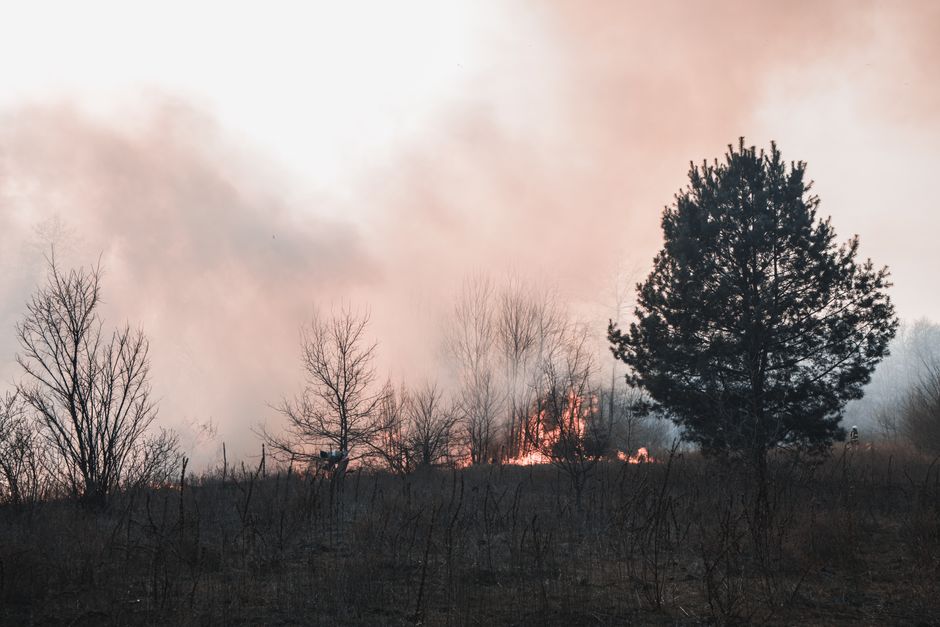
Lives on the line: why the UK’s wildfire response is overdue
The surge in blaze activity cannot be blamed on a single factor; it is the intersection of hotter, drier summers, sprawling urban‑wildland interfaces, and a fire‑service infrastructure that has been trimmed for years under austerity. Climate data from the Met Office confirms that 2025 saw the hottest July on record for the UK, with prolonged drought conditions in the south‑east that turned hedgerows into tinder. Meanwhile, budget cuts have left many local fire brigades without the specialist equipment needed to tackle fast‑moving grass and heath fires, forcing them to rely on generic response units ill‑suited for the task.
Historically, the British public has treated wildfires as a rural curiosity rather than a national emergency. The last major fire that captured headlines was the 2019 Swinley Forest blaze, after which the government pledged a modest review of resources. That promise fizzled, and the fire‑service training curricula remained focused on urban rescues, leaving a generation of firefighters without the skills to assess fire behaviour on open moorland. Baroness Brown’s call for “better training and planning” therefore targets a gap that has widened each year the country has ignored the warning signs.
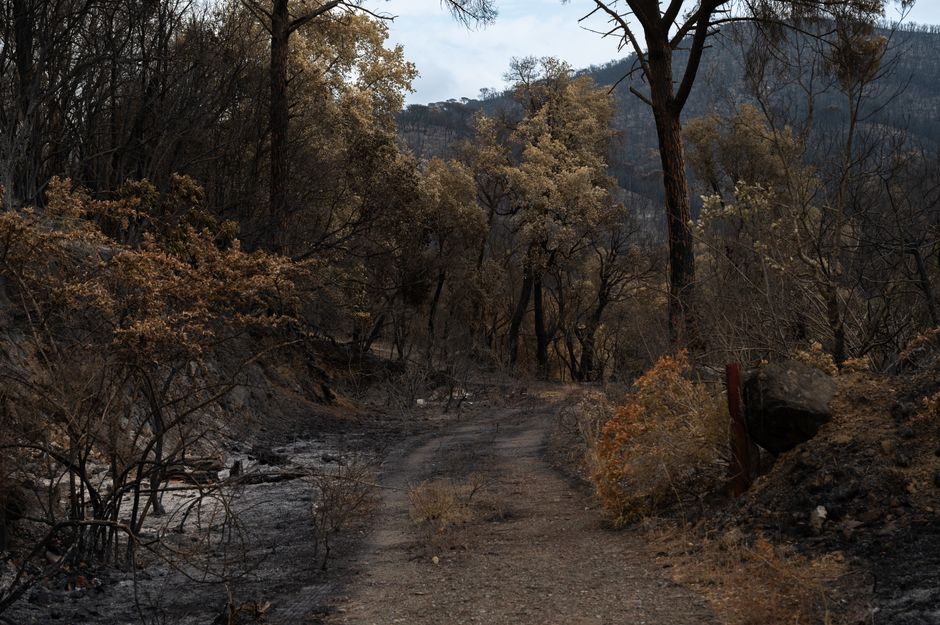
Technology, however, offers a lifeline that the UK has been slow to grasp. Satellite‑based heat‑signature detection, AI‑driven risk modelling, and real‑time drone surveillance are already standard tools in fire‑prone regions of the United States and Australia. In the UK, pilot projects such as the “FireWatch AI” initiative in the Lake District have shown promise, but they remain isolated experiments funded by charitable foundations rather than a coordinated national programme. The failure to embed these tools into a cohesive strategy means that the country is still reacting to flames after they have already leapt the line of containment.
Hot take: AI could be the game‑changer the establishment refuses to fund
The mainstream narrative frames wildfire management as a matter of manpower and equipment, yet the real leverage point lies in data. AI algorithms can ingest weather forecasts, vegetation moisture levels, and historical fire spread patterns to generate hyper‑local risk maps that update hourly. Such predictive insight would allow fire crews to pre‑position resources, issue targeted evacuation orders, and even trigger automated sprinkler systems in high‑risk zones. The technology exists; the political will does not.
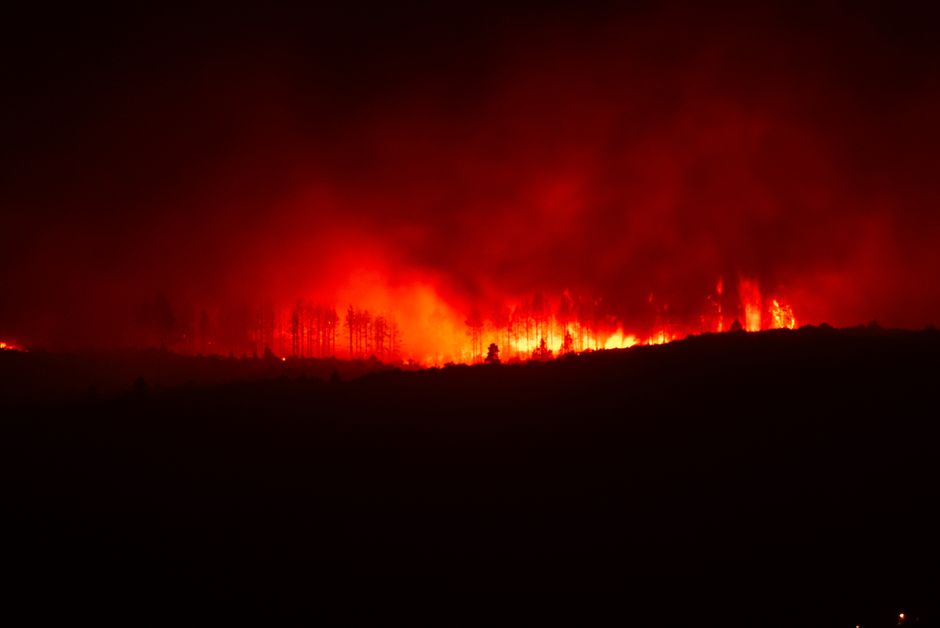
Who wins if the UK embraces AI‑driven wildfire management? Citizens living on the fringe of forested areas, insurance companies that would see claim costs plummet, and a new cohort of tech firms eager to tap into a lucrative public‑sector market. Who loses? The entrenched procurement apparatus that favors legacy contracts with traditional equipment suppliers, and a segment of the fire‑service establishment wary of ceding decision‑making to algorithms. The mainstream media, meanwhile, continues to treat wildfires as a seasonal curiosity, rarely connecting the dots between climate change, budget cuts, and the untapped potential of modern technology.
Critics argue that AI cannot replace human judgment on the ground and warn against over‑reliance on “black‑box” models that may miss local nuances. That objection carries weight; any system must be vetted, transparent, and integrated with experienced fire officers. However, the alternative – doing nothing while climate trends accelerate – is a far riskier gamble. The cost of a single uncontrolled blaze, measured in property damage, emergency response, and, most tragically, lives, dwarfs the investment required to deploy a national AI platform.
In short, the UK stands at a crossroads: continue to gamble with lives on outdated tactics, or seize the technological tools that could turn a reactive posture into a proactive shield. If the government chooses the former, the next summer’s fire season will likely claim not just acres of heath, but also the public’s trust in its ability to protect them. If it embraces AI and modern training, the story could shift from “Lives will be lost” to “Lives saved by smart fire management.” The question is not whether the technology exists, but whether the political courage does.
Source: BBC UK