
In an era where technology is creeping into every corner of our lives, why are we still grappling with the trust issue in education? As tools meant to aid learning morph into instruments of surveillance, a crucial question arises: can we truly foster trust in our students while monitoring their every move? This dilemma was poignantly captured in a recent opinion piece where the author declared, “I want to trust my students. I don’t want to spy on them.”
According to USA Today, the writer reflects on the growing trend of educational institutions employing invasive monitoring technology in classrooms, raising concerns about privacy and autonomy. This debate is only intensifying as schools increasingly rely on digital platforms for instruction and assessment.
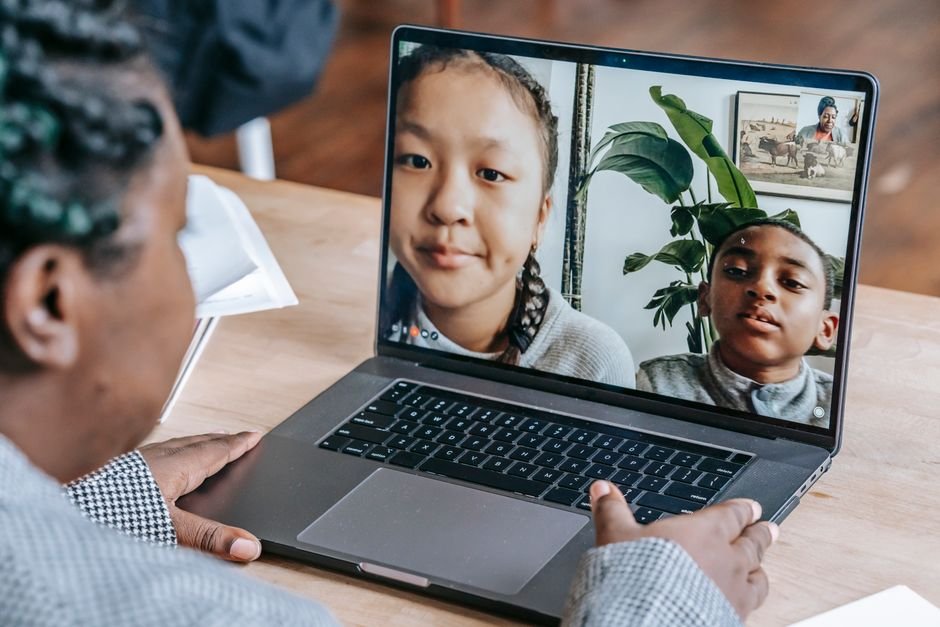
The Impact of Technology in Education
This moment is pivotal because it highlights a disquieting shift in the education landscape. The pandemic accelerated the adoption of various technologies, and now, the question isn’t just about what we can teach digitally, but how we can maintain meaningful human connections in an age of AI and constant surveillance. Instructors face a steep challenge: how do they uphold standards and integrity while fostering an environment of trust? Technology could unlock incredible potential for personalized learning, but it also risks reducing students to mere data points monitored by algorithms.
At the heart of this discussion lies a broader tension between innovation and ethics. Are we leveraging technology to enhance education or to control it? The stakes are incredibly high. Students, who should be learning to navigate a world increasingly ruled by technology, may feel their freedoms constrained by an overzealous approach to monitoring.
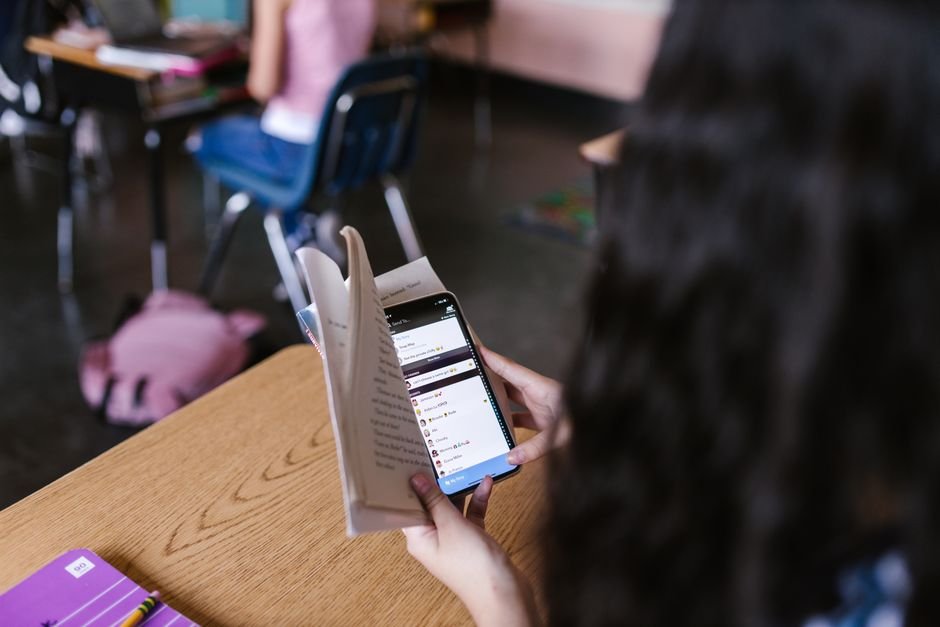
The Surveillance Dilemma
Let’s get one thing straight: technology should serve education, not dominate it. The reality is that over-reliance on monitoring tools can backfire. Students might disengage, feeling distrusted and dehumanized in the process. This becomes particularly concerning when you consider the psychological impacts of constant scrutiny. The mainstream narrative tends to overlook this critical facet.
On the flip side, proponents of rigorous monitoring argue that it’s a necessary evil to uphold accountability and ensure academic integrity. However, in a system that thrives on collaboration and creativity, such paranoia can stifle innovation. This isn’t just about privacy; it’s about nurturing critical thinkers who will one day wield this very technology. If students grow accustomed to being spied upon, how can they ever learn to navigate unmonitored interactions in the real world?
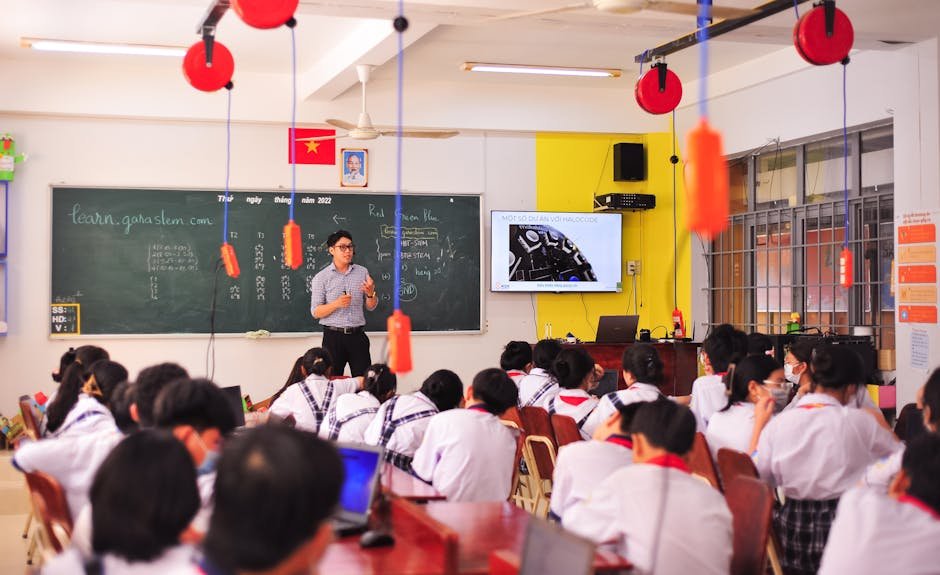
The losers in this scenario are clear: students’ agency and trust erode while educators are left with an unfulfilling, mistrustful classroom environment. Rather than instilling responsibility, monitoring can breed resentment and rebellion.
As we stand on this precipice, the course we take will dictate the future of educational technology. Will we choose to empower a generation of learners who trust themselves and their educators? Or will we remain shackled to a surveillance mindset that prioritizes control over growth?
In the end, the key question is not just how we use technology but how we want to shape the future of education. If we genuinely desire to trust our students, we might need to rethink our relationship with the tools we’re employing. As we march further into the digital age, let’s ensure that technology enhances, rather than undermines, the very essence of education: trust, curiosity, and a shared human experience.
Source: Google — Technology & AI