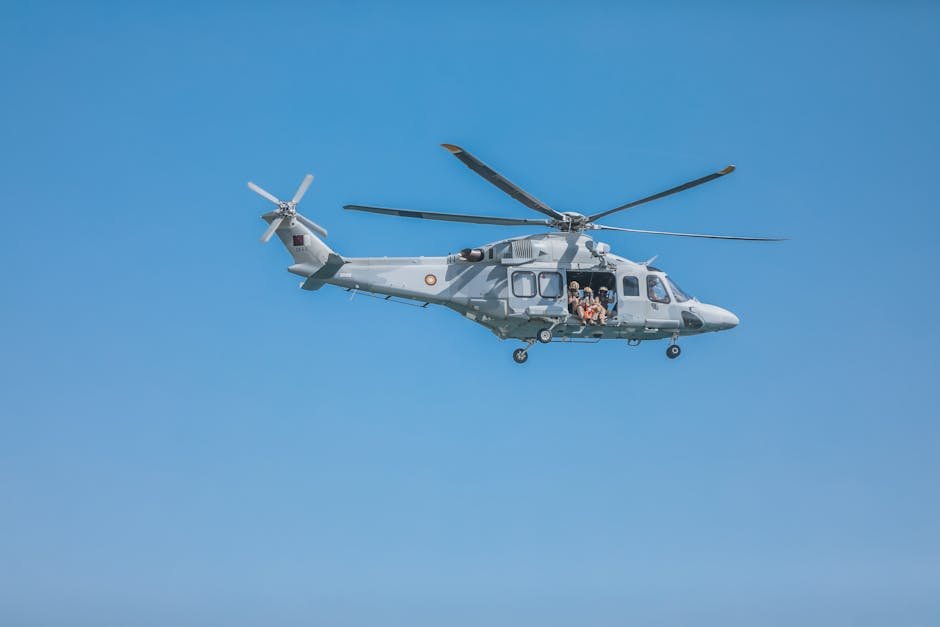
In the volatile landscape of the Middle East, a helicopter crash is often more than just a tragic accident; it’s a reflection of the region’s underlying tensions. The recent incident involving a U.S. military helicopter near the Strait of Hormuz, which was successfully rescued by nearby forces, serves as a sobering reminder of the precarious nature of international military operations in this fraught area.
According to The New York Times, the U.S. helicopter went down as part of a mission related to the ongoing military presence in the region. Fortunately, the crew was quickly rescued, avoiding a potentially catastrophic situation.
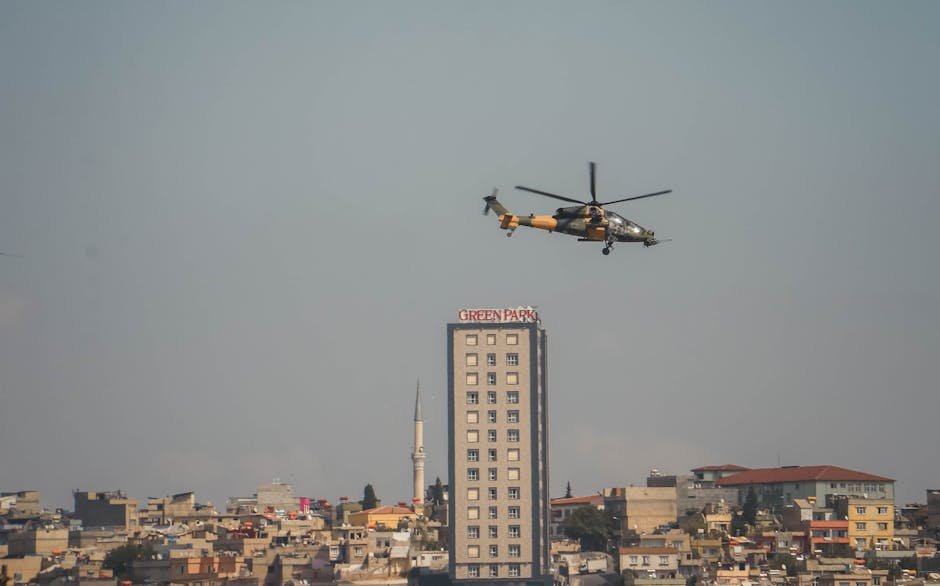
The Middle East Reality Check
This incident is a stark reflection of the realities that have shaped military operations in the Middle East for decades. The Strait of Hormuz is a strategic chokepoint, crucial for global oil shipments and a flashpoint for geopolitical skirmishes. With Iran and the U.S. constantly at odds, the stakes are high, and accidents can escalate tensions almost overnight. The presence of U.S. military assets in such a delicate area is a balancing act; one miscalculation could lead to a larger conflict, drawing in allies and adversaries alike.
The ongoing military engagement in the Middle East has been characterized by both technological advancements and significant risks. The U.S. has invested heavily in high-tech military equipment, but as this incident illustrates, even the best technology can falter. Helicopters, while seemingly reliable, are subject to mechanical failures, human error, or worse, adversarial action in a region where anti-aircraft capabilities are not just a possibility but a reality.
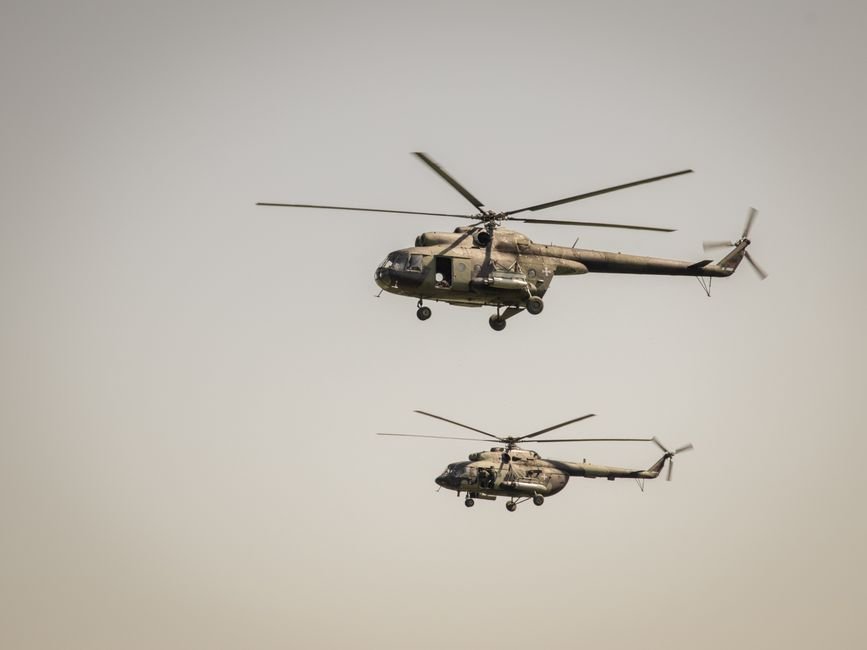
The Stakes are Higher Than Ever
The hot take here is simple: this helicopter crash underscores the fragility of U.S. military operations in the Middle East. While the immediate outcome was positive with the crew being rescued, the broader implications are troubling. Every time an American military asset operates in this volatile region, it risks not only the lives of those on board but also the potential for escalating conflict.
Critics might argue that the presence of U.S. forces acts as a stabilizing force. However, this incident puts a spotlight on the opposite perspective: that it could just as easily provoke aggression from local powers, particularly Iran. With tensions already running high, a downed helicopter could serve as the pretext for hostility rather than as a moment for diplomatic resolution.
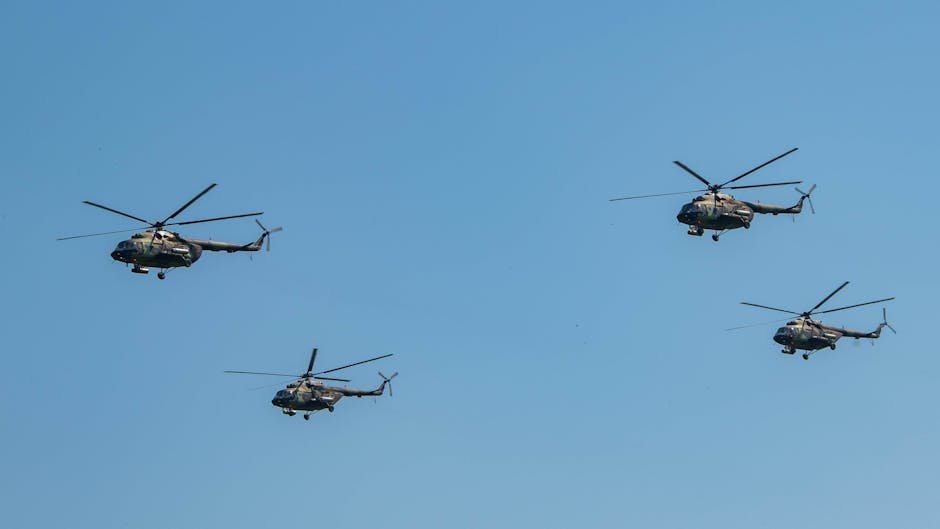
Moreover, the narrative surrounding U.S. intervention often glosses over the local implications. The Middle East is not a mere chessboard for Western strategies; it is home to complex cultures, histories, and nationalisms. The people living in these regions bear the brunt of military actions, yet their voices are often drowned out in the noise of international politics.
For the U.S., this incident is a wake-up call. The Middle East is not just strategically vital; it is a reminder of the limits of military power. As nations grapple with the realities of drone warfare and advanced technologies, it becomes imperative to recognize the human cost tied to these operations.
What this helicopter crash ultimately highlights is a dichotomy: the high-wire act of maintaining influence in the Middle East while balancing the very real risks that accompany such ambitions. As we look forward, one must wonder—how many more incidents like this will it take before a serious reassessment of military strategies in the Middle East is undertaken? If history teaches us anything, it is that the region will continue to challenge assumptions, often in harsh and unpredictable ways.
In the complex web of Middle Eastern geopolitics, there are no easy answers. But one thing is certain: the next crash or incident could flip the script from rescue to retaliation in the blink of an eye.
Source: Google — Middle East