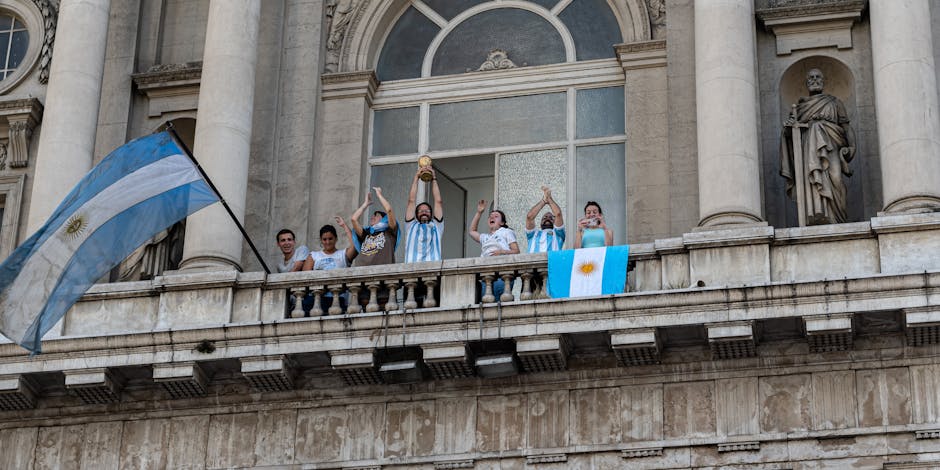
Iran’s World Cup journey is marred by a bitter diplomatic standoff that could have ramifications far beyond the soccer pitch. The United States has refused to issue visas for some members of the Iranian team’s support staff, leaving fans wondering if this is just another chapter in the long saga of U.S.-Iranian relations.
According to France 24, Iran’s World Cup squad is set to land in Mexico as the nation grapples with this diplomatic impasse. The refusal of the United States to grant visas not only complicates logistics for the team but also raises questions about sportsmanship and international cooperation in times of tension.
The Fragile State of U.S.-Iran Relations
This latest visa saga isn’t merely a sports story; it’s a stark reflection of the strained relations between Tehran and Washington. Historically, their relationship has been fraught with conflict, and any opportunity for dialogue seems overshadowed by hostility. The United States has long viewed Iran through a lens of suspicion and antagonism, particularly following events like the 1979 hostage crisis and the ongoing disputes over nuclear development.
Now, with significant global attention on the World Cup, the stakes are even higher. The tournament represents not just a sporting event but also a platform for nations to showcase their identities and aspirations. By denying entry to certain members of the Iranian team, the United States is not just sidelining support staff; it’s sidelining Iranian representation on a global stage. This diplomatic spat underscores how politics can sour even the most innocent venues, like international sports.
The Stakes of Sports and Diplomacy
The potential fallout from this visa controversy is significant. If Iran’s support staff cannot join the team, it could lead to on-field challenges that impact their performance. Conversely, the United States risks escalating tensions further, which could lead to broader diplomatic repercussions. Allies observing this detente may question the U.S. commitment to international cooperation and goodwill, particularly when sports can serve as a bridge rather than a barrier.
Meanwhile, mainstream media often misses the broader implications. This isn’t just about a soccer match; it touches on themes of nationalism, identity, and international relations. The United States may be wielding its power here to send a message, but it comes at the cost of isolating not just Iran, but also the spirit of unity that sports embody. If anything, this situation highlights the hypocrisy of using sports as a diplomatic tool while simultaneously restricting access based on political agendas.
In conclusion, the World Cup is set to unfold against a backdrop of complex international relationships, with the United States firmly at the center of this controversy. As Iran’s squad heads to Mexico, they do so under the weight of political maneuvering that threatens to overshadow their moment in the spotlight. Will this standoff serve as a cautionary tale about the intersection of sports and diplomacy, or will it be another footnote in the ongoing saga of U.S.-Iranian tension? Only time will tell.
Source: France 24