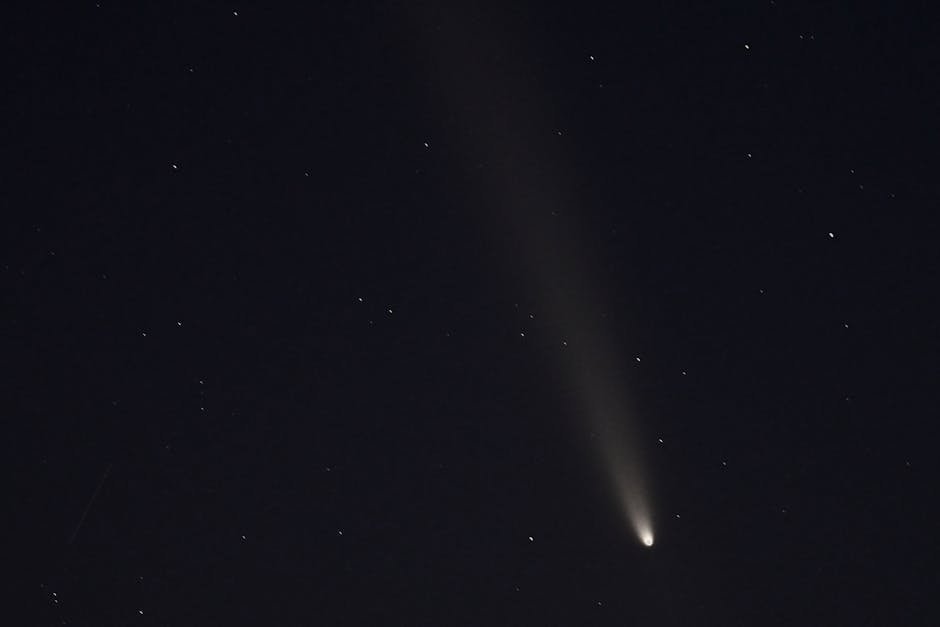
What if I told you that the universe has a way of reminding us just how small and insignificant we really are? The latest feat from the Webb Telescope illustrates a crucial point in science: we still have so much to learn about our cosmic neighborhood. Recently, the telescope captured images of an interstellar comet that defies everything we thought we knew about our own Solar System.
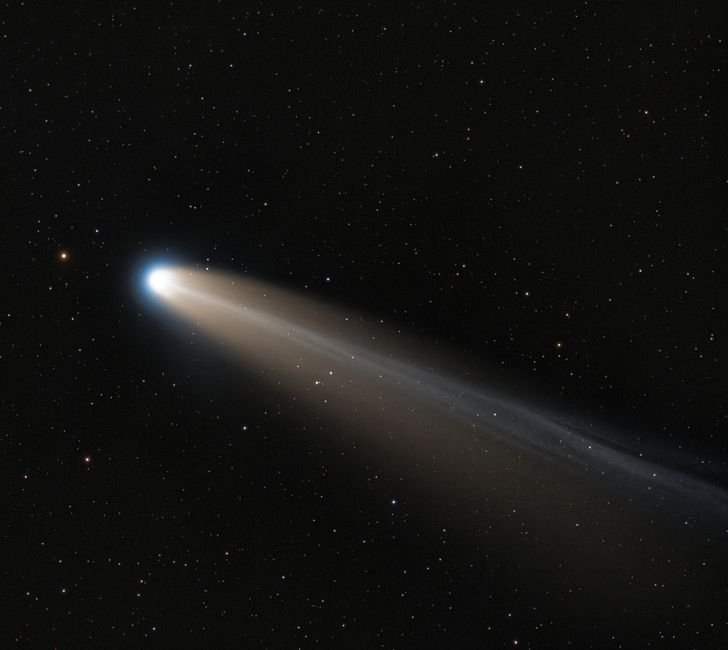
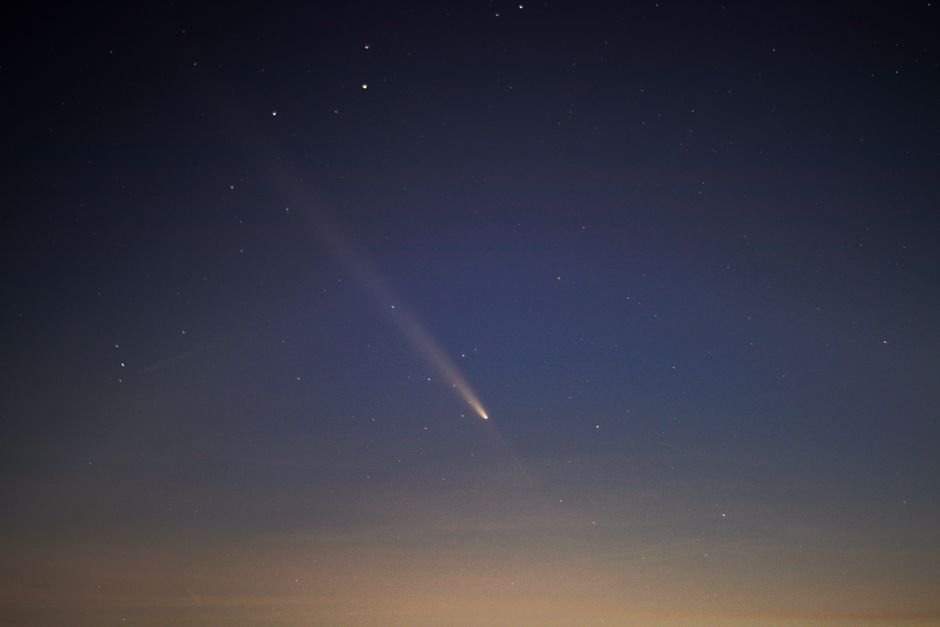
According to BBC Sky at Night Magazine, the comet, dubbed “2022 E3 (ZTF),” is unlike any celestial body observed in our solar system, presenting a unique opportunity to study an object that originated beyond our solar system’s gravitational grasp.
The Urgency of Space Science
Why does this matter now? In an age overshadowed by climate change and geopolitical tension, many might wonder if we should even care about cosmic discoveries. The answer is a resounding yes. The Webb Telescope’s findings remind us that science is not just about solving Earth’s problems; it’s also about understanding our place in the universe. Space exploration is an investment in the future, one that could yield benefits we can’t even fathom yet. As countries ramp up their investment in space science, international competition and collaboration are intertwined. The stakes are high: the nation that leads in space might also lead in technology, security, and even global diplomacy.
This comet could hold the key to unraveling the mysteries of how solar systems form. It may provide insights into the building blocks of life, or how planets evolve. More importantly, it illustrates that there’s still so much out there, waiting to be explored, and perhaps even colonized. The implications of what we learn could redefine our understanding of existence itself.

Who Wins and Who Loses in the Cosmic Game?
So, who stands to benefit from this scientific breakthrough? First off, scientists and researchers are the clear winners, as they now have a pristine natural laboratory to study. But let’s not forget the politicians and corporate players who want a piece of the action. Countries with advanced space programs may gain a competitive edge, fueling a race that could eclipse earlier Cold War dynamics.
On the flip side, there’s a risk. The more we learn, the more we might feel compelled to act on our discoveries. The temptation to exploit resources in outer space could lead to ethical dilemmas we aren’t prepared to face. The ethical considerations of mining asteroids or colonizing other planets are mind-boggling. As we chase the thrill of discovery in science, we must tread carefully.
The mainstream discussion often glosses over these complexities, focusing solely on the scientific marvels without addressing the moral implications that accompany them. We must ask ourselves: should we pursue knowledge at any cost, and are we prepared for what we might find?
As we marvel at the Webb Telescope’s revelations, one thing is clear: our understanding of the universe is just scratching the surface of science. The question now is, how far are we willing to go in our pursuit of knowledge? The answer could reshape human civilization as we know it.
Source: Google — Space & Science