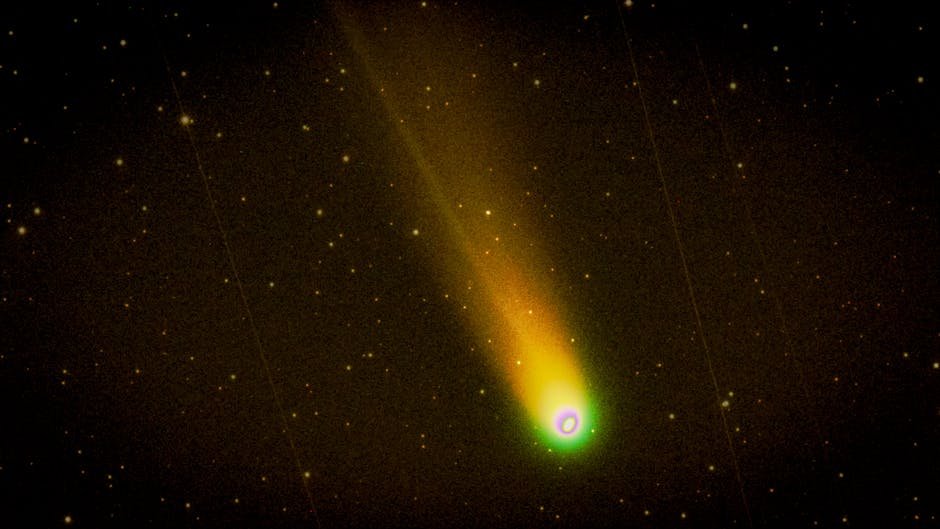
NASA’s James Webb Space Telescope just unveiled that 3I/ATLAS, a comet-like object, decided to let one rip as it cruised through our solar system, and this isn’t just a quirky science story. It’s a stark reminder of how much we still don’t understand about our cosmic backyard. Why are we so fixated on the mundane when the universe is busy hurling wonders—and obscenities—our way?
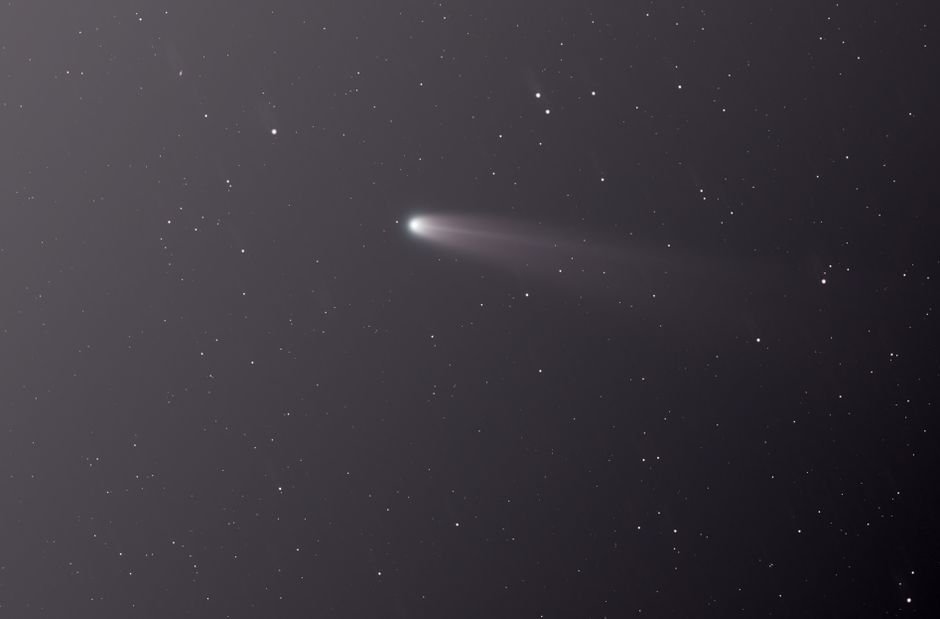
According to Futurism, NASA’s James Webb spotted the interstellar object 3I/ATLAS emitting gas and dust, suggesting that it’s not just a passive celestial body but one actively interacting with its environment. This discovery underscores the dynamic nature of our solar system and the objects within it.
Why This Science Discovery Matters
Why should this matter to you? The fact that 3I/ATLAS is ejecting material as it travels through our solar system reveals how even the most remote objects can play a role in the wider cosmic dance. This isn’t just another random celestial occurrence; it’s a glimpse into the processes that shape the building blocks of our understanding of the universe. For researchers and astronomers, this is thrilling—forcing them to rethink what they know about comets, asteroids, and interstellar visitors. The stakes are high: if we can understand these objects better, we might just learn more about the origins of our own planet.
Moreover, this discovery could have implications for future space missions. As the interest in interstellar travel grows, understanding how these bodies behave as they interact with solar winds and radiation becomes essential. If we ever plan to venture beyond our solar system, knowing how to deal with unpredictable interstellar objects is a must.
The Hot Take on Cosmic Revelations
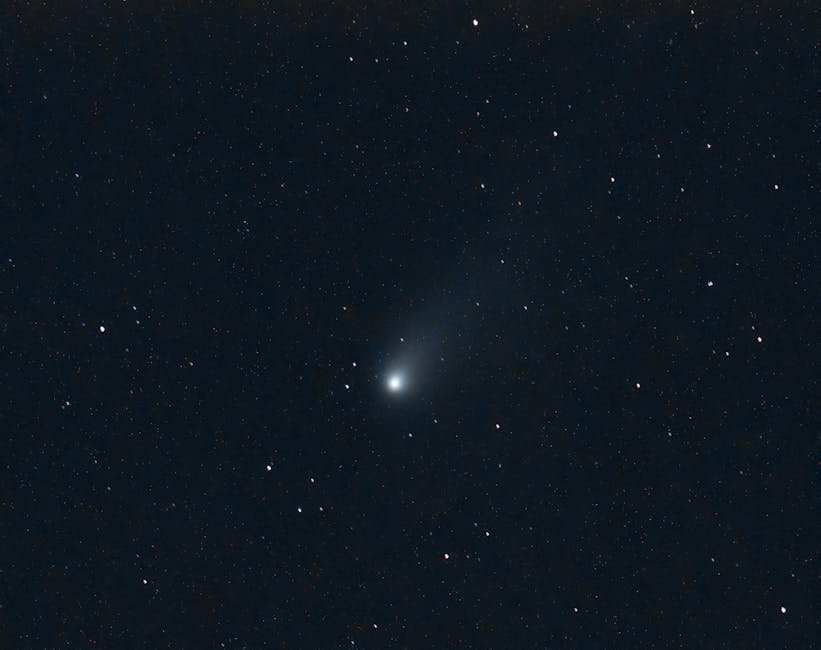
Here’s the kicker: while scientists celebrate this science breakthrough, the mainstream media often ignores the underlying implications. The casual observer might shrug off a comet’s antics as “just another space event,” but they couldn’t be more wrong. The elegance and chaos in how 3I/ATLAS operates showcases a universe that is as unpredictable as it is wondrous.
The winners are clear: researchers get a fresh dataset to analyze and a reminder that our universe is brimming with surprises. However, the losers are our established narratives about space. We like to think we’ve got a handle on celestial phenomena, yet here’s a comet pulling the rug out from under our feet. This discovery contradicts much of what we’ve learned about the behavior of interstellar objects, and that’s where the real tension lies. What if other bodies have similar behaviors? What if they’re also spitting out gas and dust, and we just haven’t caught them in the act?
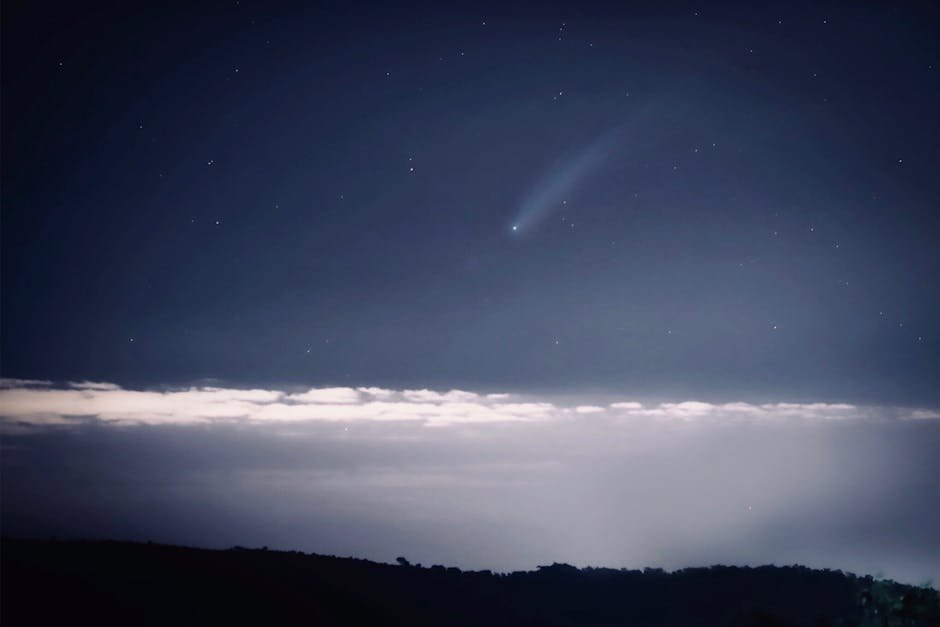
As we navigate the uncertain terrains of both science and the cosmos, we must grapple with the fact that our understanding is perpetually evolving. The next time we gaze at the night sky, we might be looking at a canvas that refuses to stay still, inviting us to reconsider the narratives we’ve constructed.
The revelations from NASA’s James Webb Space Telescope regarding 3I/ATLAS challenge us to confront our ignorance and embrace the complexities of the universe. As we ponder the science behind these celestial bodies, one question looms: are we ready to accept that the cosmos has far more to teach us than we care to admit?
Source: Google — Space & Science