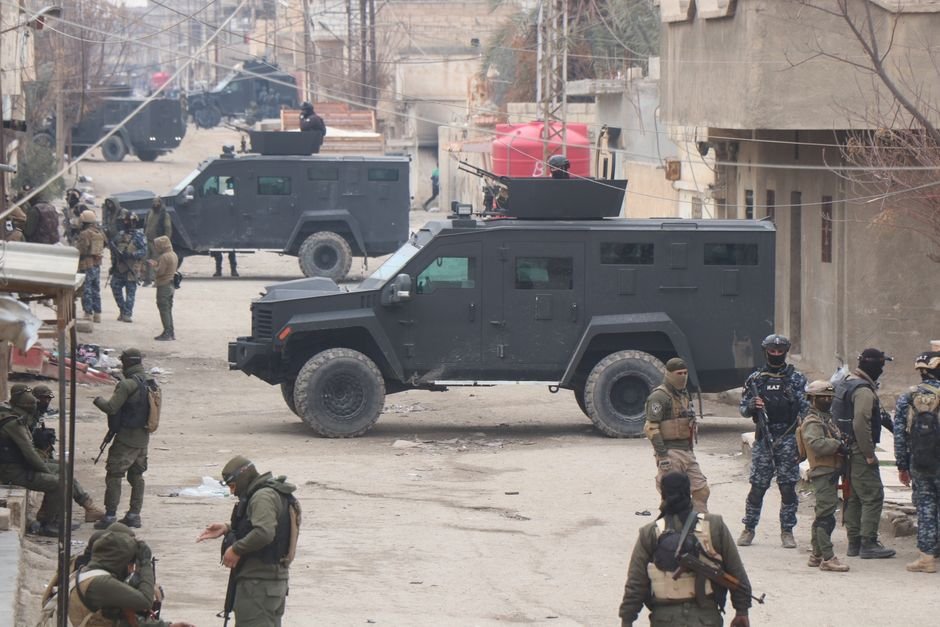
The Middle East is once again steeped in bloodshed, but who’s truly counting the cost? A recent Israeli attack claimed the lives of three soldiers, including a high-ranking Lebanese general, and the reverberations of this strike will be felt far beyond the battlefield. According to the BBC, the assault targeted a vehicle in southern Lebanon, adding yet another layer of complexity to a region already fraught with tension.
The Stakes in the Middle East
What makes this incident particularly striking is the timing. Relations between Israel and Lebanon have been tense for decades, yet this attack is a brutal reminder of how easily the situation can spiral into chaos. The Israeli military insists it acted in defense against a perceived threat, but the loss of a general raises questions about the strategic calculations being made. As often in military confrontations, the rhetoric will fly, but the human cost is an undeniable reality.
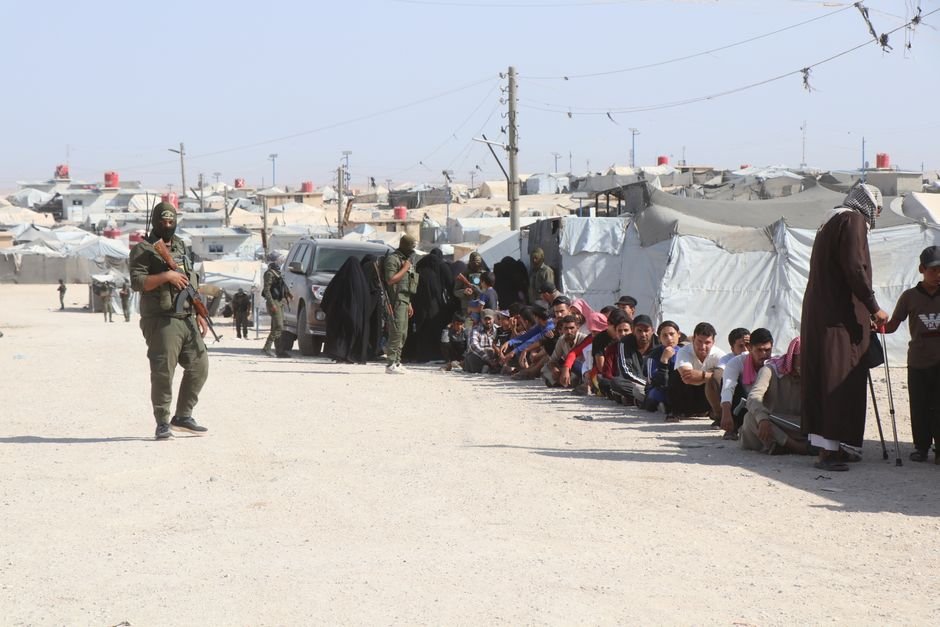
The players in this ongoing drama are familiar to anyone who’s followed the Middle East: Israel, with its sophisticated military apparatus and a history of preemptive strikes, faces off against Hezbollah and the Lebanese state, which have their own agendas and grievances. Each side believes they are justified in their actions, yet the civilian population often pays the price. The killing of a general signals a potential escalation; it’s a move that could provoke retaliatory strikes and deepen the crisis.
Who Wins in a Failing Middle East?
Now, let’s break this down: who actually wins here? Israel may see this operation as a tactical victory, but at what cost? The assassination of a military leader might garner short-term applause from hawkish elements within the Israeli government, but this strategy is a double-edged sword. It risks inflaming regional tensions and could galvanize support for Hezbollah, which thrives on narratives of martyrdom and resistance.
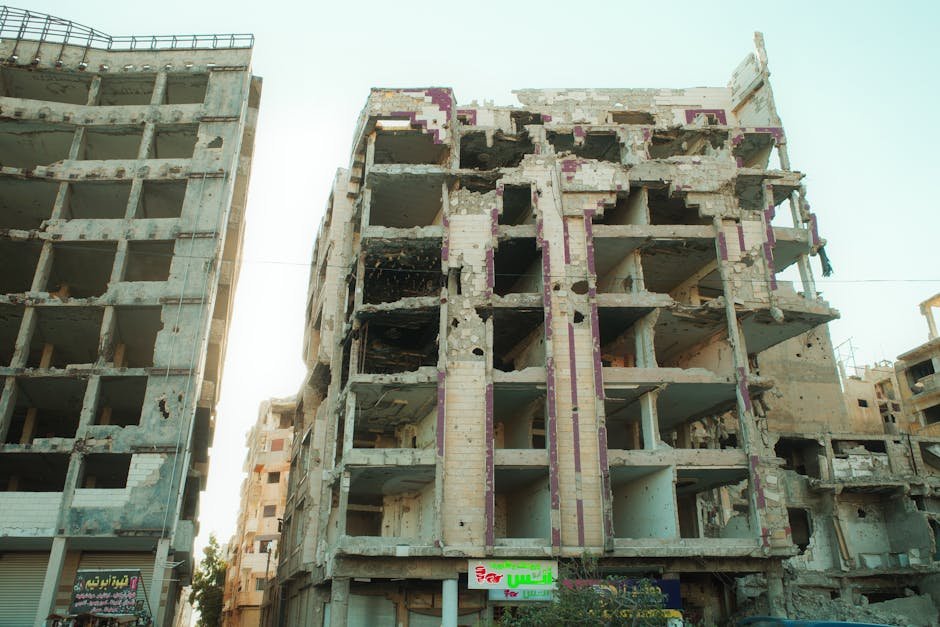
On the flip side, Lebanon finds itself in a precarious position. A general’s death could rally the Lebanese military and citizens around the flag, at least temporarily. However, it also exposes the fragmentation and challenges facing Lebanon as a state. How can a nation struggling with governance and economic collapse respond to military aggression? The answer is complicated and fraught with potential missteps.
The mainstream narrative often simplifies this as a “good vs. evil” situation, where Israel is portrayed as the aggressor and Lebanon as the victim. But the truth is murkier. There are no true victors in this cycle of violence; only a series of players seeking to assert dominance and, at times, desperately trying to survive.
As this tragic saga unfolds, one must question what the international community will do. Will it condemn Israel’s actions, call for accountability, or just brush it under the rug like so many incidents before? Inaction could send a signal that this type of aggression is acceptable, emboldening further strikes and retaliation.
In the end, the Middle East continues to be a volatile chessboard where each move can trigger a cascade of consequences. The assassination of a general might seem like just another headline today, but the reality is that it could be the spark in a much larger fire. As the dust settles, we must ask ourselves: when will we finally learn that peace is not just an absence of war, but a concerted effort to address the underlying issues?
Source: Google — Middle East