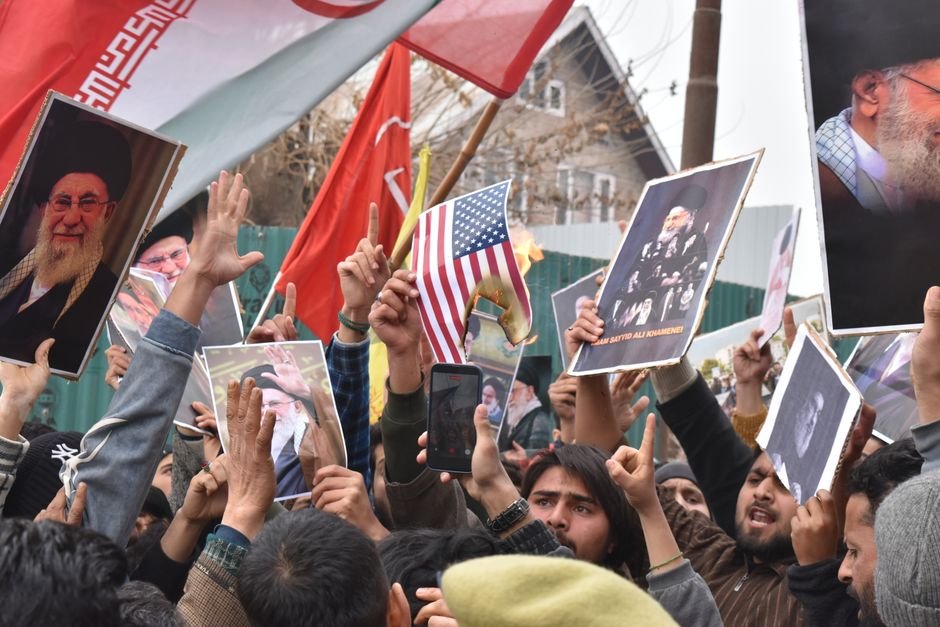
Russia’s alliance with Iran is one of the most potent unholy marriages of our time. With the backdrop of an ongoing war, the implications for the Middle East are staggering. What does it mean when two of the most sanctioned countries in the world find solace in each other’s arms?
According to the Middle East Institute, Russia has been ramping up its support for Iran during the ongoing conflict in Ukraine. This partnership includes military cooperation, energy deals, and a shared ambition to counter Western influence in the region. It’s a dangerous cocktail that could shake the very foundations of stability in the Middle East.
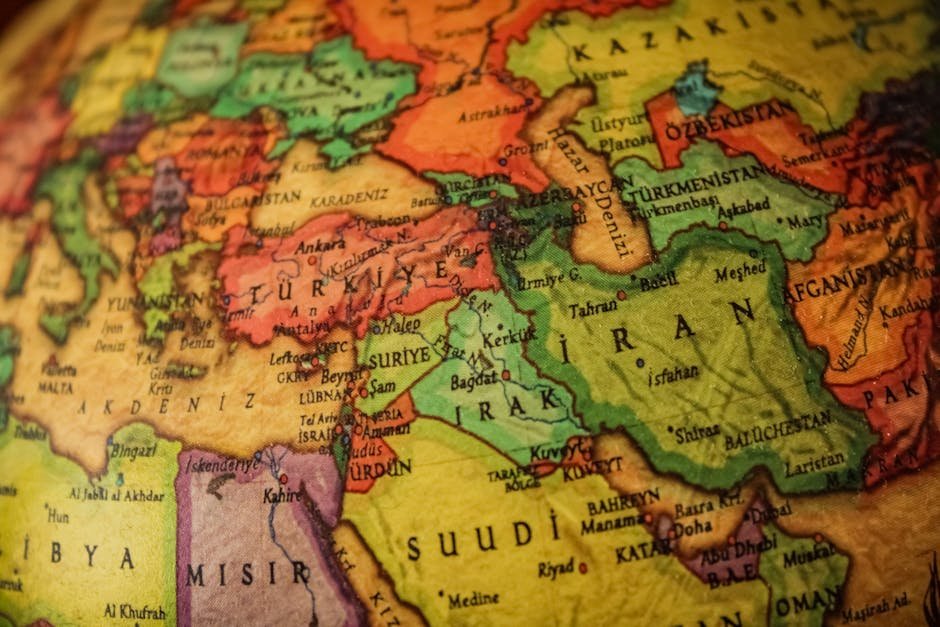
The Stakes in the Middle East
Why does this support matter now? The Middle East has long been a chessboard for global powers, and as the U.S. grapples with its own challenges, Russia and Iran are seizing the opportunity to expand their sphere of influence. The fallout from the Ukraine war has prompted both nations to look inward for strength, forming a mutualistic bond that extends well beyond mere rhetoric. Iran gets advanced weaponry, and Russia gains a strategic ally with access to crucial resources and geographical positioning.
The players here are not just Russia and Iran; they also include the United States and various Middle Eastern countries that are watching this alliance unfold with trepidation. If Tehran strengthens its military capabilities with Russian support, what does that mean for Israel, Saudi Arabia, and the Gulf states? The landscape of the Middle East could shift dramatically, sparking a new arms race that would further destabilize an already volatile region.
A Dangerous Game for the Middle East
Here’s the hot take: this partnership could pay off big for both Russia and Iran, but at what cost? While they may present a united front, the fragility of their alliance is glaring. Their interests do not align perfectly, and as they deepen ties, they run the risk of creating more enemies in a region that thrives on sectarian divides and geopolitical rivalries.
The mainstream narrative often downplays the complexities of these alliances, suggesting that cooperation solidifies power. However, the reality is that the more aggressive their actions, the more likely they are to provoke opposition from other Middle Eastern powers. The U.S. may begin to refocus its efforts in the region, sparking renewed conflicts that could embroil not only these two nations but the entire region.
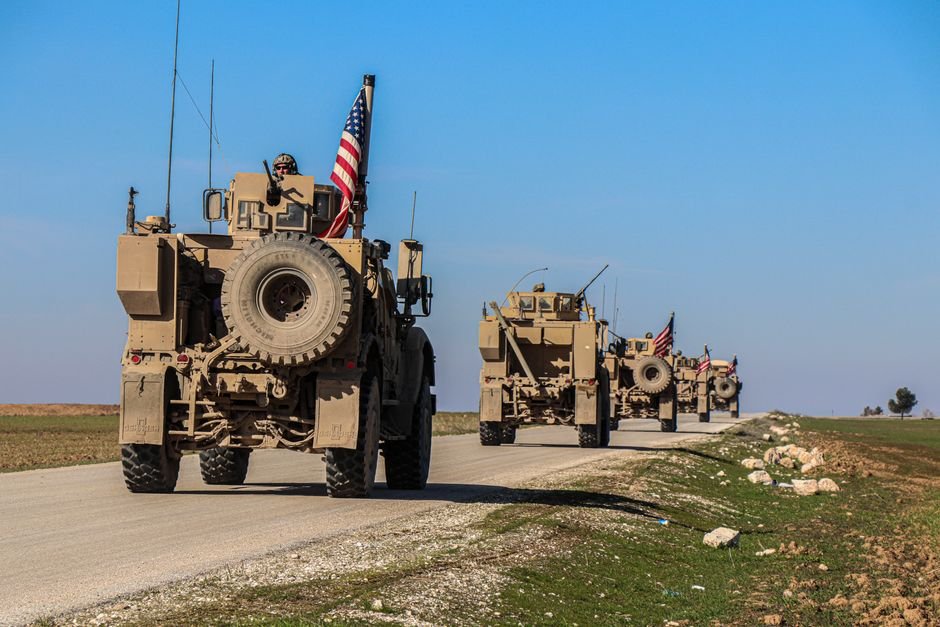
It’s not just about military might; it’s about ideology. Both countries harbor anti-Western sentiments that may unite them. But as history shows, ideological alliances can be remarkably brittle. Should either nation face internal unrest or dissent, the partnership could fracture, leaving them more vulnerable than ever.
In conclusion, as Russia’s wartime support for Iran evolves, the implications for the Middle East are profound and multilayered. The situation is ripe for miscalculations and escalations. If the West remains complacent, it may find itself confronting a burgeoning coalition that seeks to reshape the narrative in the Middle East. The question is, will we be prepared for the fallout when the dust settles? The game is afoot, and the stakes have never been higher.
Source: Google — Middle East