
Brexit was always more than just a political maneuver; it was a seismic jolt to the entire concept of Europe. As the UK teeters on the edge of disarray, one must wonder: was leaving the European Union truly worth it? According to Britannica, the ramifications of Brexit have evolved drastically since the referendum that set this course—bringing with it a labyrinth of consequences that are still unfolding.
The Consequences of Brexit for Europe
The events that led to Brexit are steeped in historical context. A mixture of economic discontent and nationalistic fervor finally erupted in the 2016 referendum, where 51.9% voted to leave the EU. Since then, the UK has grappled with an identity crisis, struggling to redefine its place on the global stage. Issues ranging from trade disruptions to immigration challenges have highlighted the flaws in this bold leap away from a unified Europe, leaving a cacophony of dissent in its wake.

Now, we find ourselves in a moment of reckoning where the implications of this choice are clearer than ever. The promises of enhanced sovereignty have crumbled against the realities of economic instability and international isolation. In fact, the UK’s economy has suffered a significant downturn compared to its European neighbors, raising questions about the long-term viability of this grand experiment in separation.
Who Wins and Who Loses in the New Europe?
In this new landscape of Europe, the winners and losers are becoming more apparent. On one hand, the EU has managed to maintain its integrity, proving resilient despite the chaotic withdrawal of a major member. The remaining EU nations have learned to navigate the turbulent waters left by the UK’s exit, and their economies are starting to stabilize. On the other hand, the UK is wrestling with the right mix of policies to regain economic momentum.

However, it’s not all doom and gloom. Some argue that Brexit has invigorated discussions around reform within the EU. The event has prompted a reconsideration of burdensome regulations and bureaucracy, pushing for a more streamlined and efficient governance structure. Yet, one must ask: is this reform truly beneficial, or is it merely a desperate attempt to patch up the cracks left by a fracture that may never fully heal?
While many on the continent are looking to move forward, the UK is still mired in a debate over its national identity. Questions about immigration policies, trade agreements, and even cultural ties to Europe continue to plague its political landscape. The mainstream narrative seems to downplay the deep-seated divisions among UK citizens, who are still grappling with the consequences of their vote.
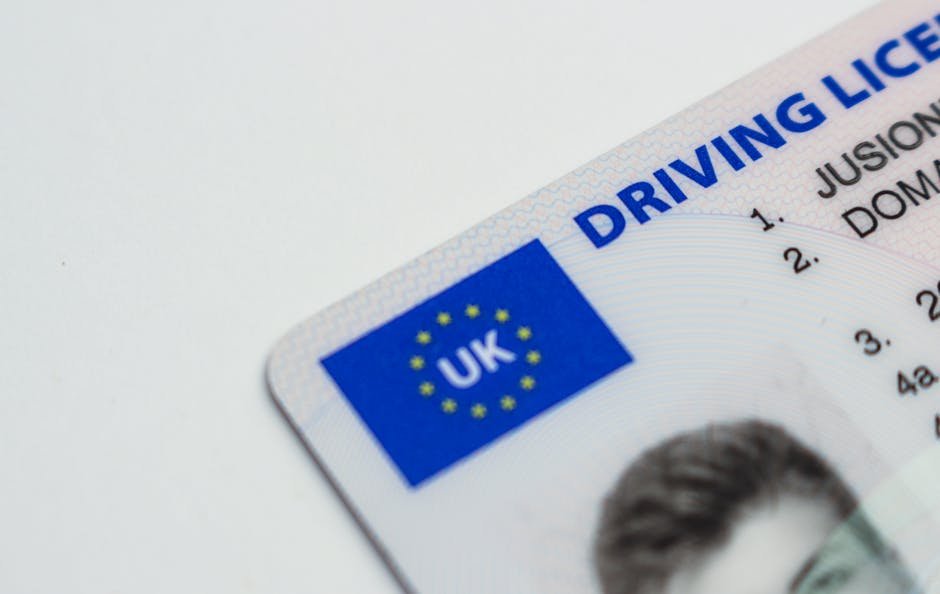
As we move deeper into the post-Brexit era, the stakes are higher than ever. The potential for a re-evaluation of EU membership is not off the table for the UK, but that would require overcoming a multitude of political and social hurdles. The growing disenchantment with current policies fuels a fire for change—but will it spark the revolution needed for a renaissance, or will it simply lead to further division?
Brexit has laid bare the contradictions at the heart of nationalism versus collaboration. The question lingers: can the UK rediscover its role as a vital player in Europe, or will it remain a cautionary tale of what happens when a nation prioritizes separation over unity? The future of Europe hangs in the balance, and how the UK navigates this uncharted territory may well define the continent for generations to come.
Source: Google — UK & Europe