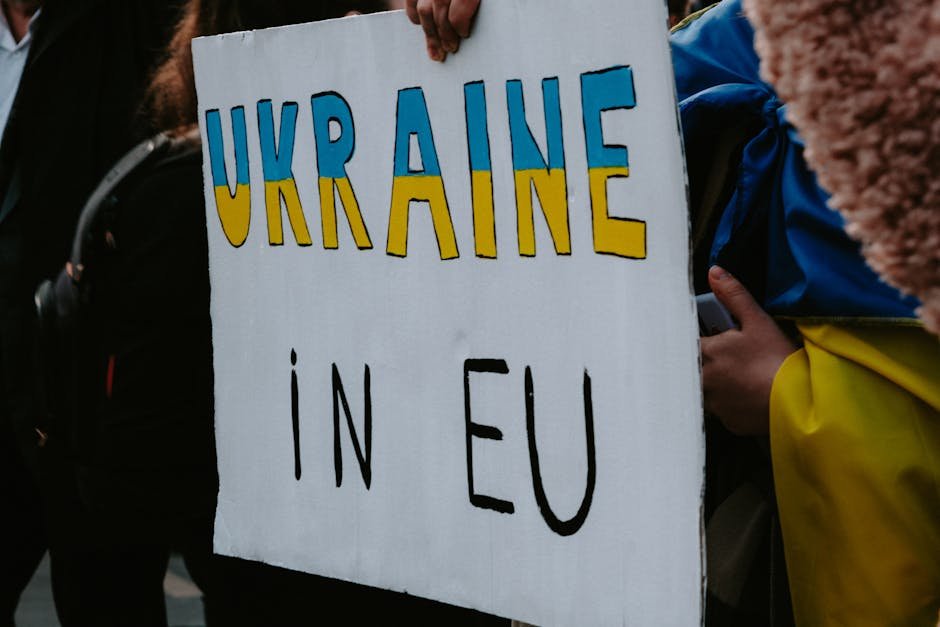
The tide has turned in Europe, and it’s time to ask: what does it mean for the future of the European Union now that it enjoys more positive ratings than during the tumultuous Brexit vote? According to Pew Research Center, several European countries express greater approval for the EU today than they did during the referendum that shook the continent to its core.
This shift is not merely a blip; it signifies a broader trend in the political landscape of Europe. As reported by Pew, the growing acceptance of the EU may reflect a collective sigh of relief as nations navigate ongoing crises in migration, security, and diplomacy.
The Changing Attitude Towards Europe
The backdrop of this newfound approval is crucial. Post-Brexit, the EU faced skepticism that peaked in various countries. Many doubted its future viability, particularly in the wake of economic woes and political fragmentation. However, recent events—like the Russian invasion of Ukraine and the ensuing refugee crisis—have united many European nations under a banner of solidarity. Nations that were once teetering on the edge of Euroscepticism are now recognizing the value of cooperation in the face of adversity.
But let’s not kid ourselves; this positive perception is fragile. The EU stands as a collection of diverse interests, and while many citizens now appreciate its role in safeguarding security and stability, it remains a complex beast. The internal divisions regarding migration policies and economic disparities still simmer just beneath the surface.
What This Means for Europe’s Future
The real question now is: who stands to gain from this boost in approval? For the EU institutions themselves, this is a golden opportunity to strengthen their legitimacy within member states. However, national governments, especially those from countries that were once hostile to the EU project, must tread carefully. They cannot afford to ignore the voices of their electorate who still harbor skepticism and dissent.
Conversely, the populist movements that thrived on anti-EU sentiments may face a reckoning. With public opinion shifting, these factions could find themselves struggling to maintain relevance. But make no mistake—complacency is dangerous. The fear and uncertainties surrounding immigration and economic recovery could easily reignite those simmering resentments.
What’s dangerously overlooked in this wave of positivity is the potential for complacency to set in among EU leaders. They might mistakenly believe that a temporary uptick in approval ratings translates into public endorsement for all their policies. They need to address the very real concerns that led to the Brexit vote in the first place: economic inequalities, migration challenges, and distrust in Brussels.
As European citizens navigate the complexities of a rapidly changing geopolitical landscape, they are also grappling with the realities of their own national identities within a larger union. The stakes are high: if the EU fails to adapt and evolve in response to these emerging challenges, it risks alienating even the most ardent supporters.
So, as we look toward the future, let’s keep the conversation going. Will this newfound positivity for Europe lead to a stronger, more united front, or is it merely a band-aid on deeper wounds? The clock is ticking, and the answers may redefine the continent’s path for years to come.
Source: Google — UK & Europe