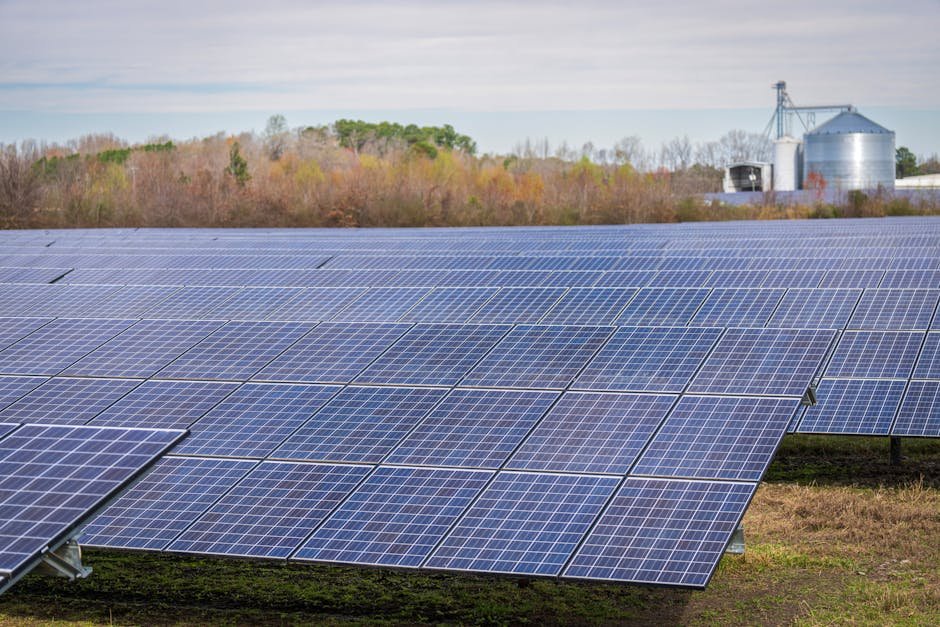
Is India on the brink of transforming the narrative of industrialization in South Asia? As the world grapples with climate change, the country is emerging as a bold pioneer, prioritizing solar energy in its industrial strategy, and challenging the norms established by its industrialized counterparts.
According to Grist, India is setting a precedent among major nations by embracing solar power as its primary fuel for industrial expansion. This shift comes as the nation aims to meet both its energy needs and climate commitments, striving to become a leader in renewable energy production.
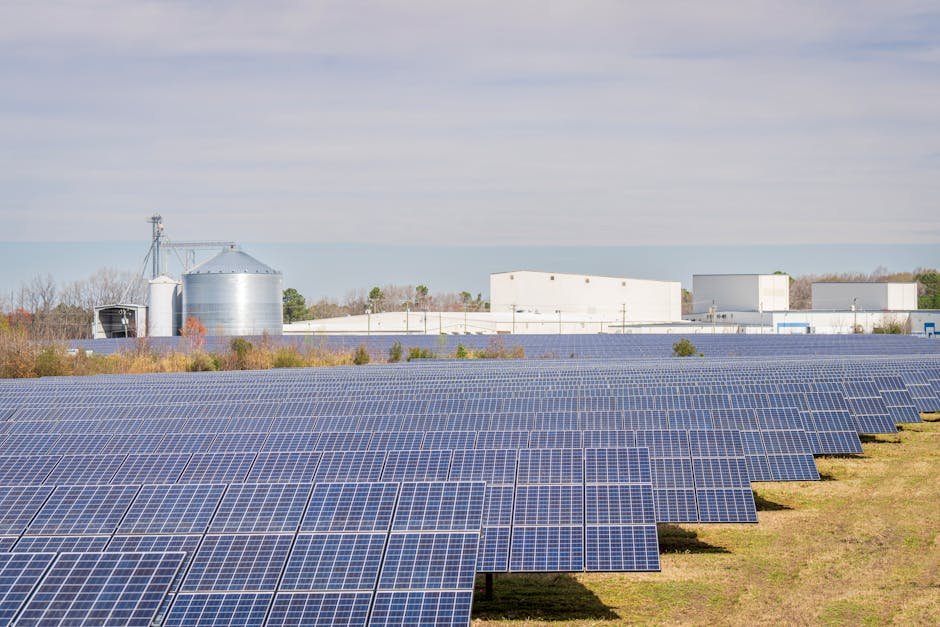
India’s Solar Revolution: A Shift in South Asia’s Industrial Paradigm
This moment is monumental. India’s decision to industrialize with solar energy reflects a broader global urgency to transition away from fossil fuels. After years of industrial growth being synonymous with environmental degradation, India is attempting to rewrite that narrative by prioritizing sustainability from the outset. The country’s solar initiative is not merely a response to international pressure; it is a recognition of the impending energy crisis and the dire need for sustainable solutions.
India’s solar industry is rapidly expanding, driven by government policies and ambitious targets for renewable energy generation. This movement has the potential to transform the economic landscape of South Asia, positioning India not only as a regional leader but also as a role model for sustainable industrial practices worldwide. However, it’s not just about solar panels; it’s about the entire ecosystem of manufacturing, job creation, and energy independence.

The Stakes for South Asia: Winners and Losers
The implications of India’s solar-driven industrialization extend beyond its borders. If successful, this model could revolutionize South Asia, encouraging neighboring countries to adopt similar strategies. However, this ambitious plan isn’t without its opponents. Traditional industries that rely on fossil fuels may find themselves threatened by this shift. Workers in these sectors risk being left behind unless there are solid transition plans in place.
Moreover, the global community is watching closely, and the stakes are high. If India stumbles in its quest for solar supremacy, it could undermine the entire renewable energy movement in South Asia. On the other hand, if it succeeds, India could lead a wave of change, reshaping energy policies across the region and reinforcing the message that sustainable industrialization is not only necessary but achievable.
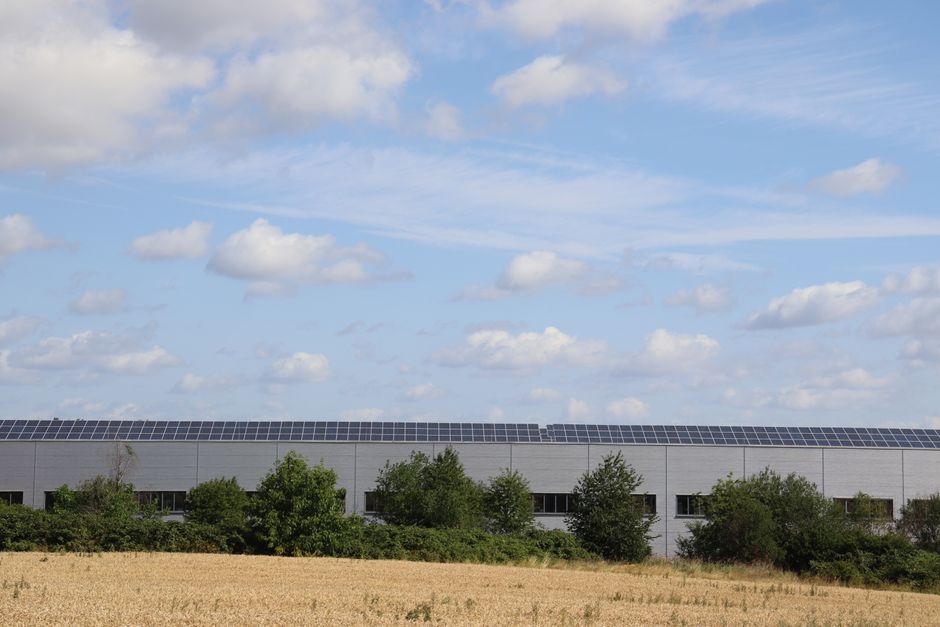
Critics might argue that solar energy alone cannot fuel the heavy demands of a burgeoning economy. They will point to the challenges of storage, reliability, and the intermittency of solar power. Yet, dismissing India’s ambition as unrealistic overlooks the rapid advancements in technology and innovation that are transforming the renewable sector.
Ultimately, India’s pioneering efforts in solar industrialization could redefine what it means to grow an economy responsibly. The world should cheer for this initiative while remaining vigilant about its execution and the interests it serves.
As we look toward the future, the question remains: Will India successfully tackle the monumental challenge of integrating solar energy into its industrial backbone, or will it fumble the opportunity to lead South Asia into a sustainable era? The answer could shape the economic and environmental landscape for generations to come.
Source: Google — South Asia