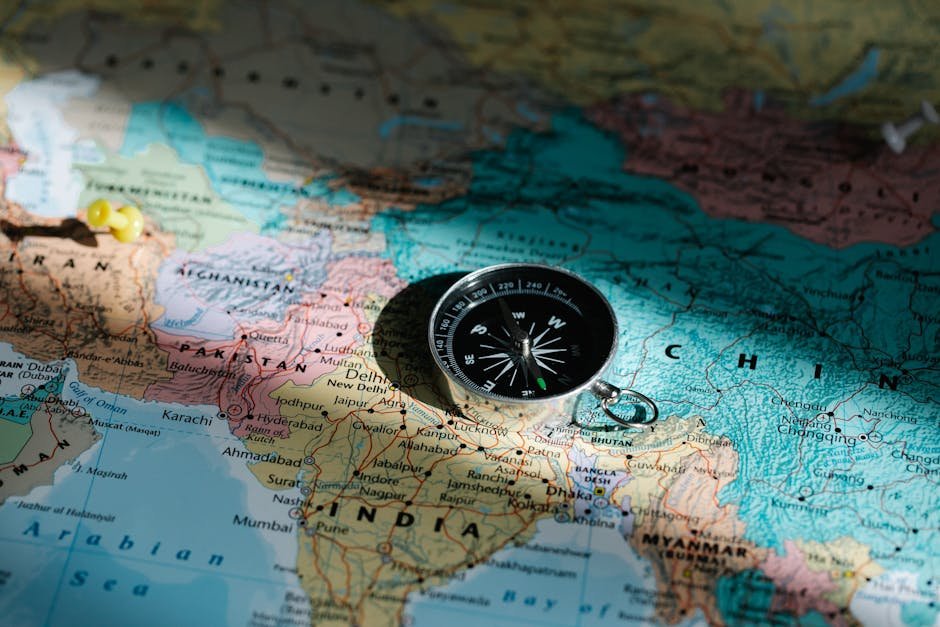
The arms race in South Asia is spiraling out of control, and the world is watching as the clock ticks down to potential catastrophe. Is anyone really prepared for a clash that could ignite one of the most volatile regions on earth? According to The Christian Science Monitor, tensions between India and Pakistan are reaching unprecedented levels, with both nations ramping up military capabilities and mobilizing troops along their shared borders.
The recent developments are not just a matter of military posturing; they reflect a deeper historical animosity. As reported by The Christian Science Monitor, India and Pakistan have been embroiled in conflict since their independence in 1947, characterized by wars, skirmishes, and an ongoing territorial dispute over Kashmir. Now, with both countries investing heavily in arms, the risk of a miscalculation leading to an outbreak of violence is higher than ever.
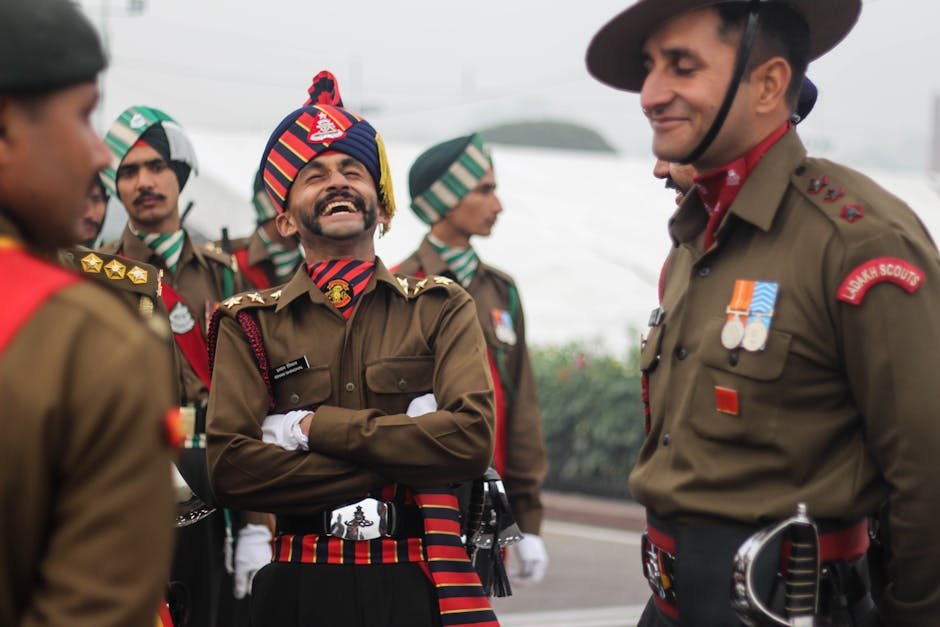
The Stakes in South Asia: A Dangerous Game
Why does this matter? For starters, the stakes are not just regional; they have global implications. The arms race has reached a point where both nations are not only stockpiling conventional weapons but also developing nuclear arsenals. In a region where nationalist fervor runs high, a single misstep or accidental encounter could lead to a full-blown conflict—one that could bring in superpowers and destabilize the entire South Asian landscape.
In a time when dialogue seems more crucial than ever, the posturing of both nations suggests that they are more interested in demonstrating strength than in pursuing peace. India’s strengthening military ties with Western nations, alongside Pakistan’s reliance on China for military support, creates a dynamic that could easily escalate. The narrative is clear: both countries are preparing for war instead of exploring avenues for diplomacy.
Who Wins and Who Loses?
In this high-stakes game, civilians are the biggest losers. The people in both India and Pakistan face the brunt of this militaristic escalation. Increased military spending diverts funds from essential services like healthcare and education, leaving ordinary citizens to bear the costs of a conflict they neither started nor want. Meanwhile, military leaders and arms manufacturers stand to gain enormously from an ongoing arms race.
Furthermore, the international community cannot escape culpability in this situation. The sale of arms to both nations, under the guise of "defense," fuels a cycle of violence that ultimately puts global security at risk. The hypocrisy is staggering: nations preach about human rights and stability but are more than willing to profit from the weapons trade that perpetuates conflict.
With the situation deteriorating, one must wonder: what will it take for leaders in South Asia to recognize the futility of their arms race? As tensions escalate, diplomacy is not just a nicer alternative; it’s a crucial necessity for survival. The clock is ticking, and it’s time to prioritize peace over posturing.
As we look ahead, one thing is certain: the arms race in South Asia is a ticking time bomb, one that threatens not just the region but the world at large. Will leaders step back from the brink, or will we witness yet another tragic chapter in a long history of conflict? Only time will tell, but the evidence points to a chilling reality that demands urgent attention.
Source: Google — South Asia