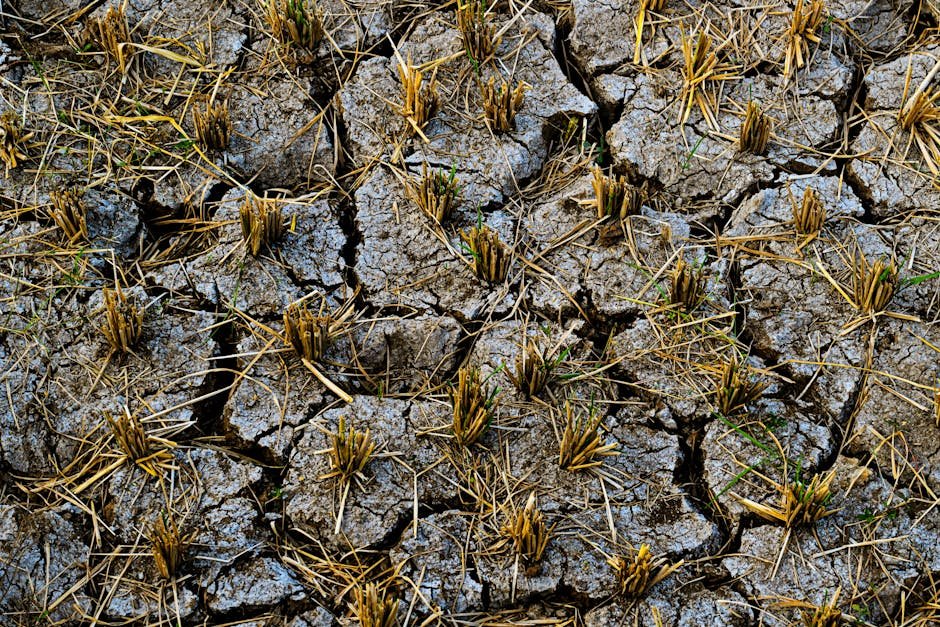
The news that the Indian monsoon may be the weakest in 11 years is a wake-up call that South Asia cannot afford to ignore. This isn’t just about rain; it’s about a region teetering on the edge of economic calamity. What happens when the life-giving monsoon turns into a cruel joke?
According to Reuters, Indian officials are warning that the upcoming monsoon season could be the driest in over a decade, raising alarm bells about potential inflation and food shortages. This warning comes as India struggles with the dual pressures of a global economic slowdown and rising inflation rates.
The Stakes for South Asia
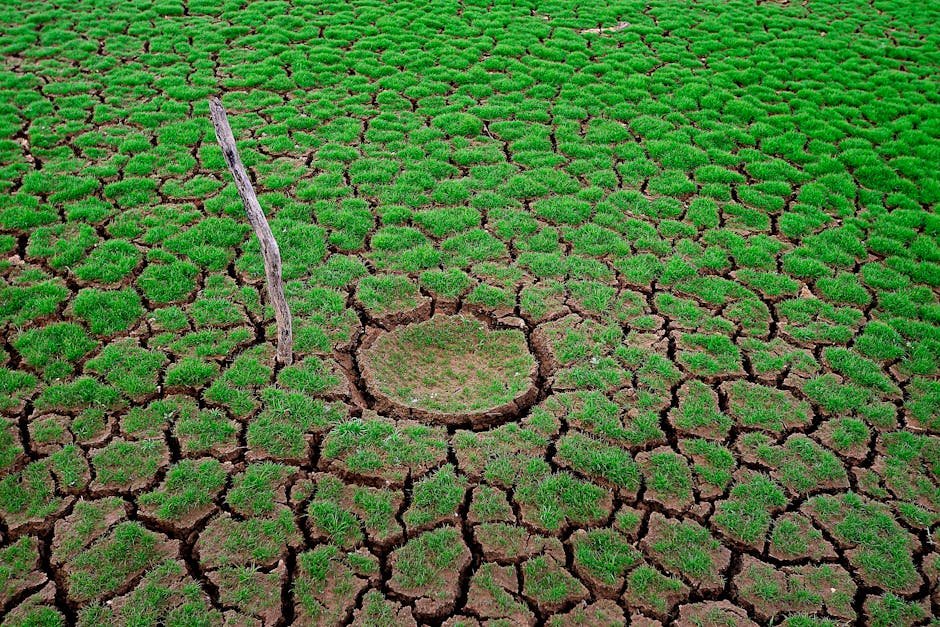
This is not merely a weather forecast; it’s a perilous forecast for a region that relies heavily on monsoons for agriculture. Over 60% of India’s population depends on farming, and a poor monsoon could devastate crop yields, which in turn fuels inflation. With prices already on the rise, particularly for essential commodities, the prospect of a diminished harvest is a nightmare scenario.
Moreover, the implications stretch beyond India. South Asia, with its interconnected economies and shared agricultural practices, faces a domino effect if one country experiences crop failure. Neighboring nations, already grappling with their own economic issues, could soon find themselves in a precarious situation as they rely on India for staple goods.
An Economic Tipping Point
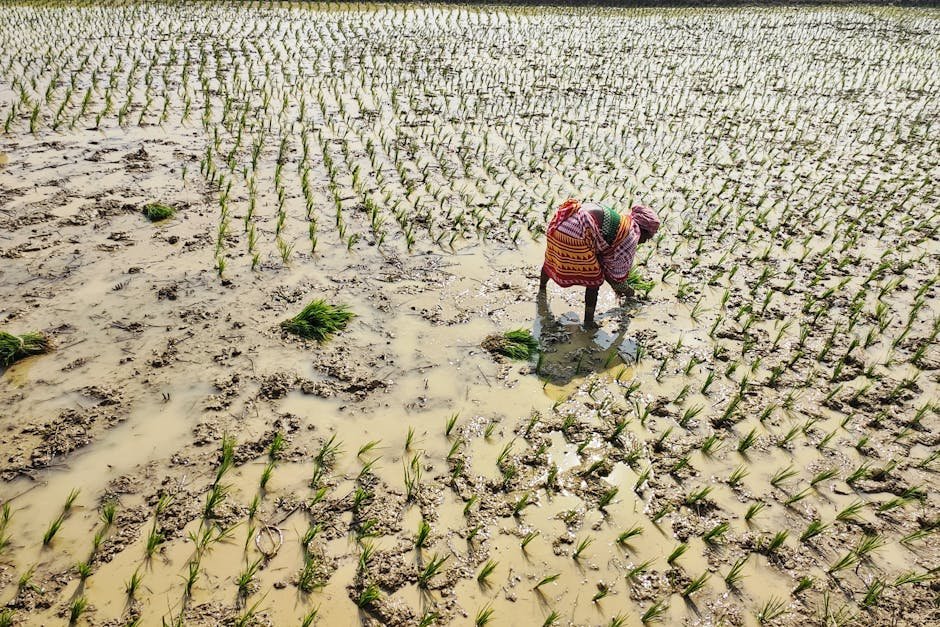
This monsoon crisis is more than just a seasonal issue; it’s a critical moment for South Asia that could reshape its economic landscape. The winners here will undoubtedly be those who can weather the storm—namely, agricultural businesses that can pivot quickly or governments that can manage resources efficiently. However, the losers will be the poorest communities, who are already vulnerable and will bear the brunt of inflationary pressures.
But let’s not kid ourselves—this is also a political issue, and political leaders must step up. The current government has to recognize that weather patterns are no longer just a meteorologist’s concern; they are a battleground for survival. If they fail to act decisively, we could see food riots, mass protests, and an erosion of trust in leadership.
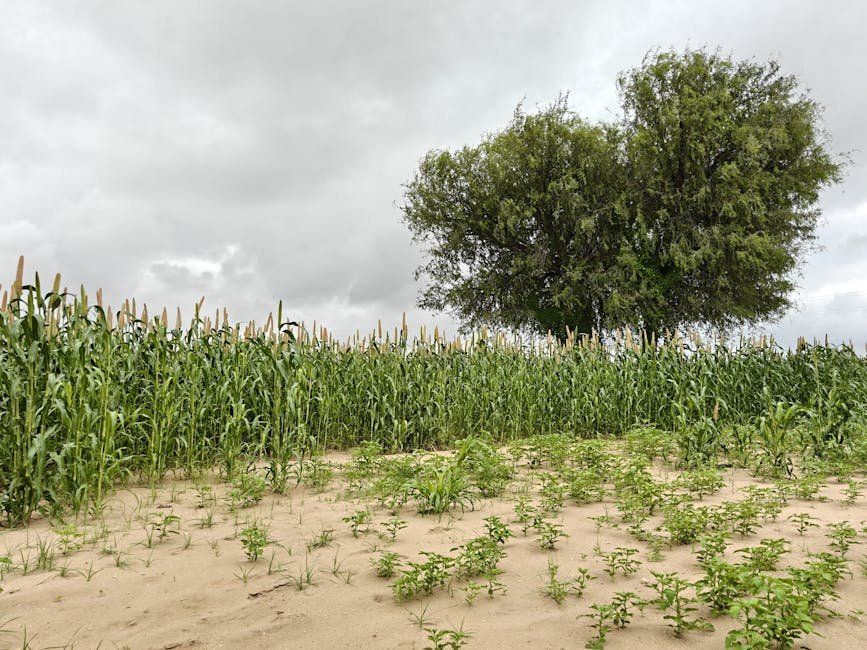
The mainstream media, while covering the story, tends to gloss over the human impact. They focus on agricultural statistics and GDP projections, but unless we start recognizing the faces behind the figures—farmers, laborers, families—these warnings will fall on deaf ears.
The real risk is that complacency will set in. The government must take immediate steps to alleviate the situation: implement food security measures, provide subsidies, and invest in water conservation technologies. Without these proactive approaches, we could see an unprecedented humanitarian crisis.
The monsoon isn’t merely a seasonal occurrence; it’s the lifeblood of South Asia. As we brace for what could be a historically weak monsoon, the question looms large: how prepared are we to face the fallout? The answer may very well determine the future stability of a region already rife with challenges.
Let’s hope the powers that be don’t ignore the signs. After all, in South Asia, when it rains, it pours—especially when it doesn’t rain at all.
Source: Google — South Asia