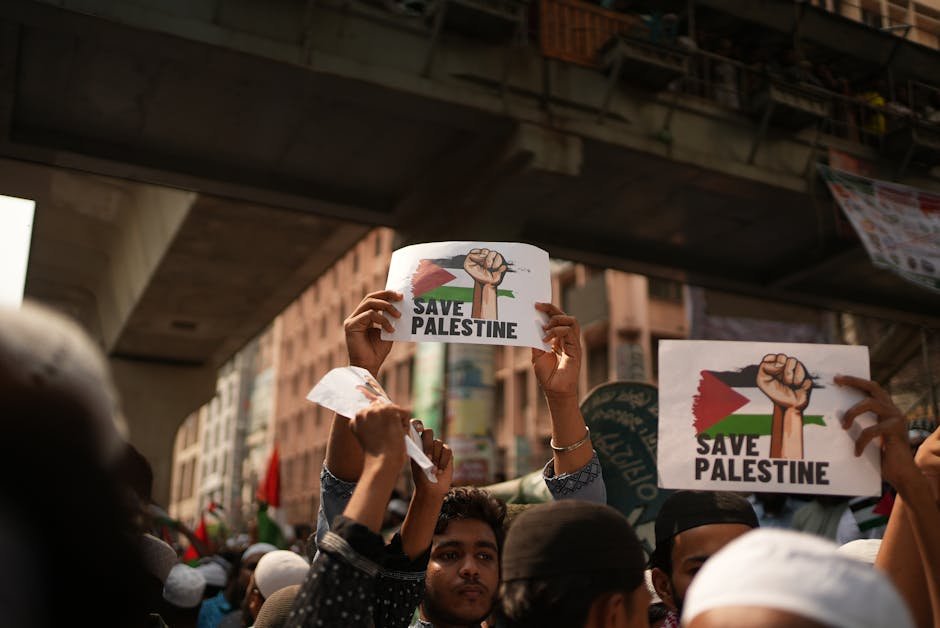
The Middle East continues to be a cauldron of tension, with no end in sight for the Israeli-Palestinian conflict. Is it possible that the pain and suffering could ever lead to something resembling peace, or are we destined to cycle through this never-ending chaos?
According to the Council on Foreign Relations, the Israeli-Palestinian conflict has dominated the landscape of the Middle East for decades, with increasing tensions manifesting in violent outbreaks and political standoffs. The report outlines the ongoing issues that plague the region, serving as a grim reminder of the unresolved disputes that have marred the lives of millions.
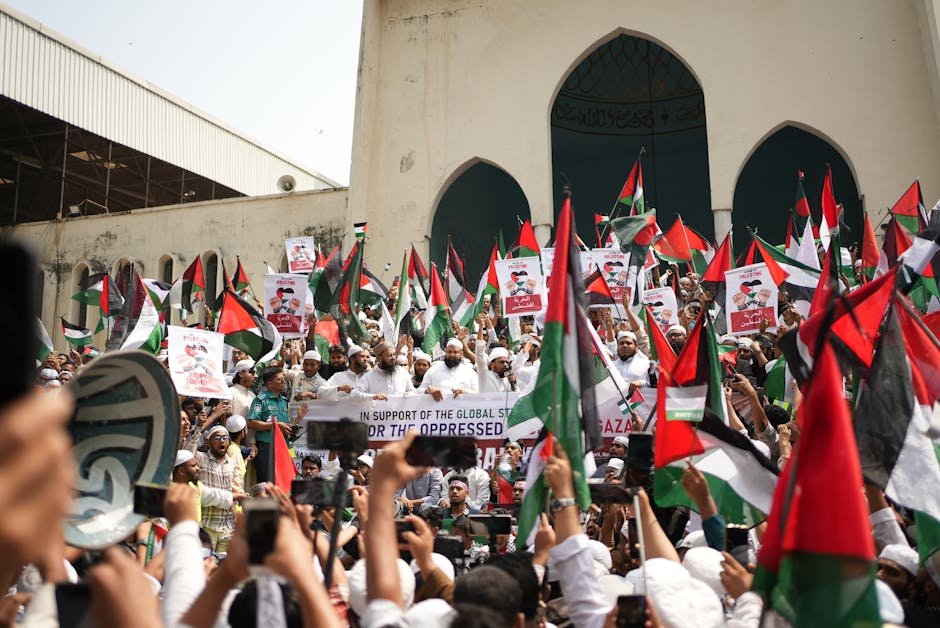
The Context of the Middle East Conflict
For those unfamiliar with the intricate web of history, the Israeli-Palestinian conflict isn’t merely a series of isolated incidents; it is a legacy of colonialism, nationalism, and religious fervor that stretches back generations. The struggle for land, sovereignty, and national identity has birthed countless tragedies. As new political leaders emerge and global powers take sides, the stakes only seem to rise. The world has a tendency to watch from the sidelines, but increasingly, the Middle East has become a stage where local grievances are exploited by global agendas.
This ongoing saga is not just a localized conflict; it has geopolitical ramifications that send ripples across the globe. From Iran’s backing of militant groups to America’s unwavering support for Israel, the players involved are as diverse as they are influential. The U.N. often expresses concern, but resolutions are rarely reached. What’s more, the voices of ordinary people—those caught in the crossfire—are often drowned out in favor of political posturing.
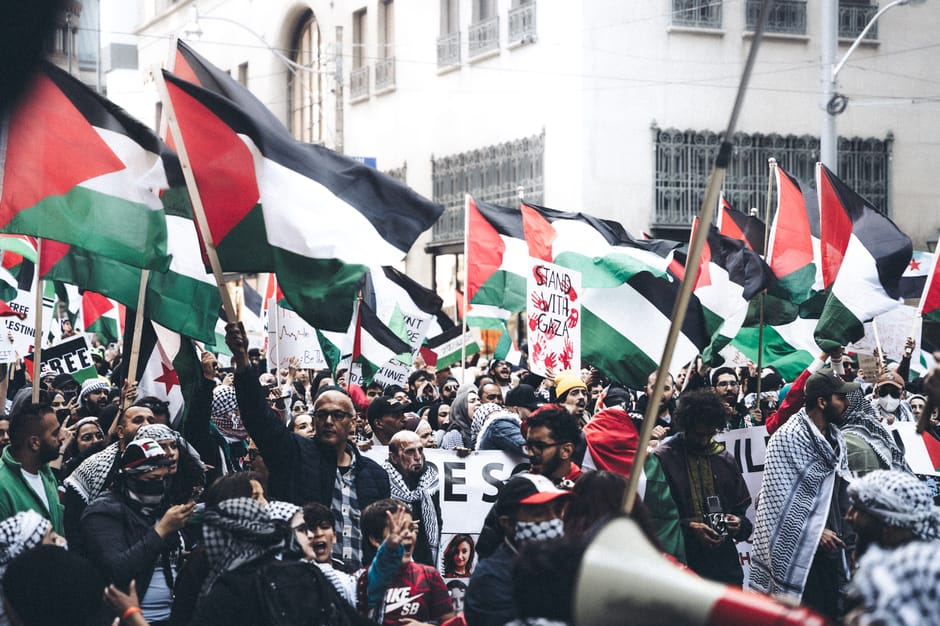
The Stakes of Inaction in the Middle East
Inaction has become the hallmark of international diplomacy concerning the Middle East. The cycle of violence leads to despair, and each flare-up only deepens mistrust among the peoples involved. Who benefits from this inertia? Certainly not the families mourning losses or the children who will never know a life free from fear.
Meanwhile, the mainstream narrative often oversimplifies the conflict, painting it as a black-and-white issue when the truth is far murkier. Casualties on both sides fuel a narrative of victimhood that impedes any genuine dialogue. The real question is: who wins when the common folk on both sides of the conflict bear the brunt of the violence while politicians and foreign powers bicker over control and influence?
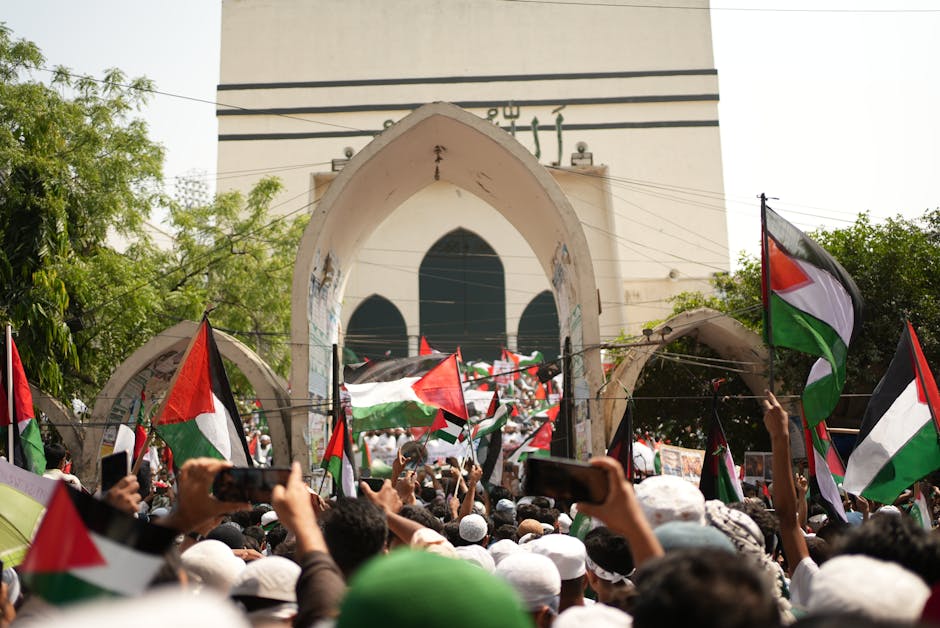
The ongoing strife forces us to confront the uncomfortable truth that perpetual instability in the Middle East could eventually lead to a broader regional conflict. If these tensions bubble over, entire nations could be dragged into chaos, as seen in past crises.
It’s time for the international community to recognize that the status quo is unsustainable—a diplomatic stalemate has never solved anything. Peace requires difficult conversations about rights, land, and identity, not just appeasement or superficial gestures. As long as we cling to the notion that ignoring the conflict will somehow render it benign, we’re doomed to repeat history.
In closing, as the Middle East remains a hotbed of conflict, one must ask: when will the world wake up to the reality that real change requires genuine engagement, not just a change of the guards? In this war of narratives, it’s the voices of the people that should take center stage, for they hold the key to a future that transcends the cycles of violence. The question is, are we ready to listen?
Source: Google — Middle East