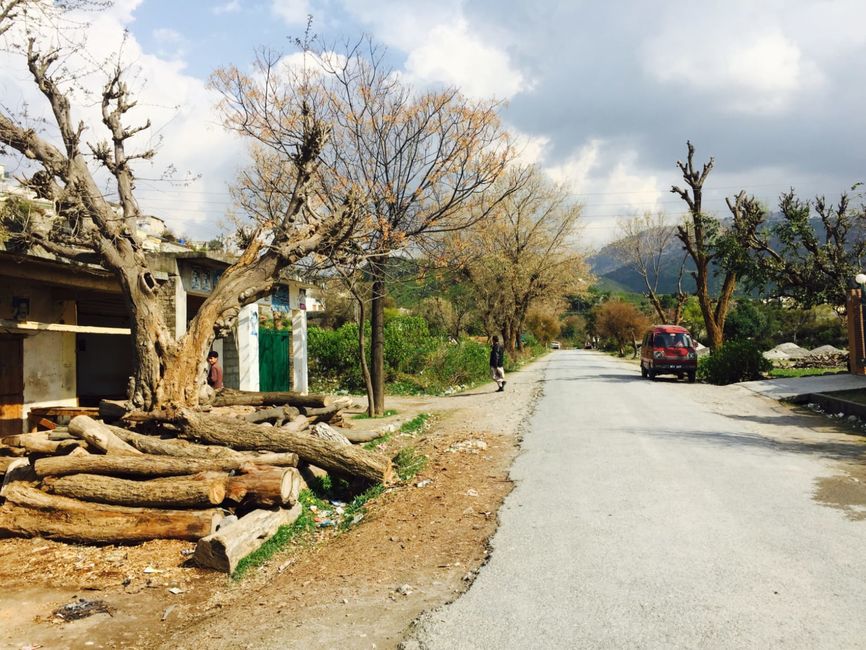
The weekend’s blood‑soaked headline reads like a grim reminder that “suicide” attacks are still a brutal reality far from the Western media’s radar. A suicide bomber detonated himself at a police checkpoint in north‑western Pakistan, leaving at least eleven dead and dozens more wounded. The blast ripped through a remote outpost, shattering the fragile sense of security that the Pakistani state has been trying to rebuild after years of insurgency.
According to DW.com, the attacker targeted a police convoy stationed near the tribal districts, a region that has long been a hotbed for militancy. Security forces responded quickly, but the explosion’s force was enough to collapse the checkpoint’s concrete barriers and kill senior officers on duty. The death toll, confirmed by local officials, underscores how lethal a single individual can be when armed with explosives and a fanatical resolve.
Suicide attack in Pakistan: regional shockwaves
The incident is not an isolated flare‑up; it fits a pattern of escalating violence in the Khyber Pakhtunkhwa province, where militant groups have exploited the porous Afghan border to regroup. In recent months, the Pakistani military has launched several operations aimed at dismantling hideouts, yet the insurgents keep adapting, swapping conventional ambushes for high‑impact suicide strikes. This shift reflects a strategic calculus: a single suicide bomber can inflict casualties comparable to a larger, coordinated assault while demanding far fewer resources.
Moreover, the timing is telling. The attack came just days after the United States and United Kingdom announced a joint initiative to increase counter‑terrorism assistance to Pakistan, pledging new training programs and intelligence sharing. While the aid package is framed as a boost for regional stability, insurgents appear to be testing the resolve of a government that is simultaneously courting Western support and battling internal dissent. In fact, the very act of suicide terrorism serves as a propaganda tool, signaling that even heightened foreign involvement cannot extinguish the militants’ will.

Why the West should care – the hidden stakes
For policymakers in London and Washington, the tragedy is more than a distant headline; it is a barometer of how fragile the security architecture in South Asia truly is. The United Kingdom’s foreign office has repeatedly warned that instability on Pakistan’s western flank could spill over into Afghanistan, jeopardising the fragile peace that emerged after the 2021 withdrawal. Likewise, the United States’ National Security Council has identified “regional terrorist sanctuaries” as a top priority, linking them directly to the threat of transnational extremist networks targeting Western interests abroad.
If the West continues to treat Pakistan as a peripheral partner, it risks ceding the narrative to extremist groups that thrive on anti‑Western sentiment. Conversely, an over‑reliance on military aid without addressing underlying political grievances could backfire, feeding the very recruitment pipelines that fuel suicide attacks. Critics argue that Washington’s focus on drone strikes and surveillance has already produced a backlash, fostering resentment among local populations who feel their sovereignty is being eroded.
Nonetheless, there is a pragmatic argument for deeper engagement. Enhanced intelligence cooperation could help pre‑empt future suicide operations, while development aid aimed at education and job creation might undercut the ideological allure of martyrdom. The challenge for Western capitals lies in balancing hard‑line security measures with soft‑power initiatives that address the root causes of extremism. Failure to strike this balance could see more checkpoints turned into graveyards, and the cost of inaction would be measured not only in casualties but in diminished geopolitical influence.
In the meantime, the Pakistani government faces a stark choice: double down on crackdowns that risk alienating civilian populations, or pursue a more nuanced strategy that integrates community policing and counter‑radicalization programs. Either path will shape how often the word “suicide” resurfaces in headlines across the world. The tragedy at the checkpoint should serve as a wake‑up call that the battle against such attacks cannot be fought from afar alone.
The blood on the asphalt of that remote outpost is a stark reminder that the calculus of terror knows no borders. If the United Kingdom and United States ignore the warning signs, they will watch from the sidelines as another suicide strike reshapes the security map of South Asia. The question remains: will they intervene with a plan that tackles both the weapon and the mindset, or will they allow another wave of violence to dictate the terms of regional stability?
Source: Google — Pakistan incidents