We often talk about what’s visible, what’s on the surface, but the real battles for our planet are often fought unseen, beneath our feet. This week, a groundbreaking revelation in Florida reminded us just how little we truly understand our world, even as **scientists** peel back layers of geological mystery. It’s a stark reminder that what we do on the surface has profoundly hidden consequences, making this finding crucial for the week ahead and beyond.
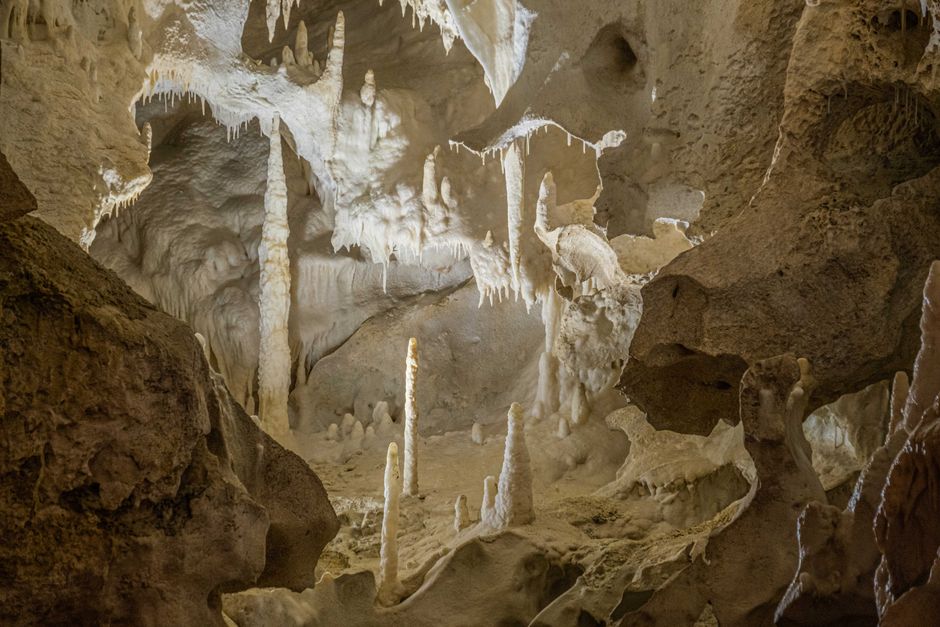
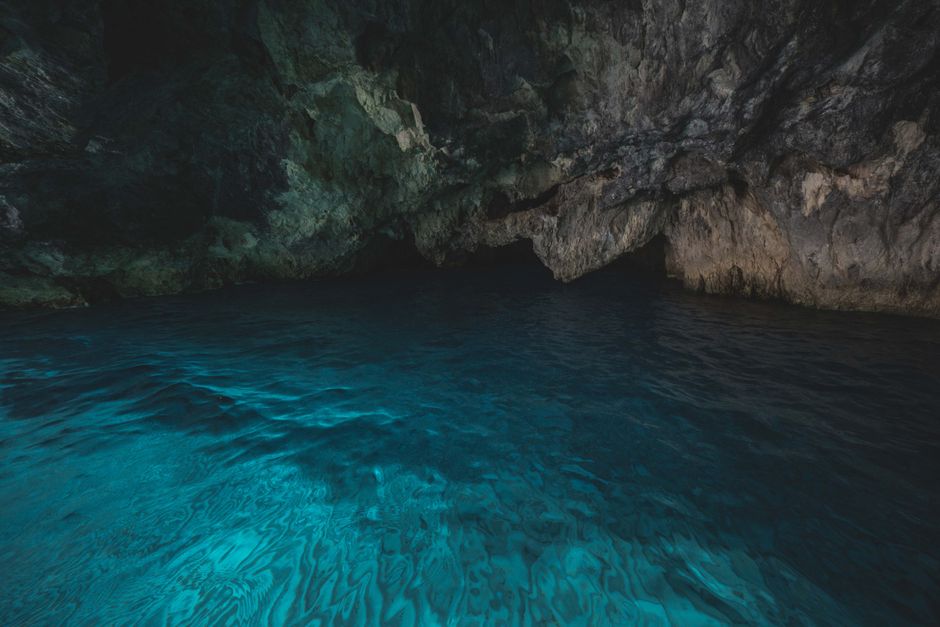
According to the Times of India, a pink dye introduced into Florida’s Lake Jackson astonishingly resurfaced at Wakulla Spring, a full thirty-five days later. This remarkable journey confirmed a hidden, subterranean connection through an intricate network of limestone caves and the Upper Floridan Aquifer. Researchers observed traces of the dye at numerous other springs, illustrating a complex, interconnected conduit system previously understood only in theory.
The Hidden Plumbing Revealed by Scientists
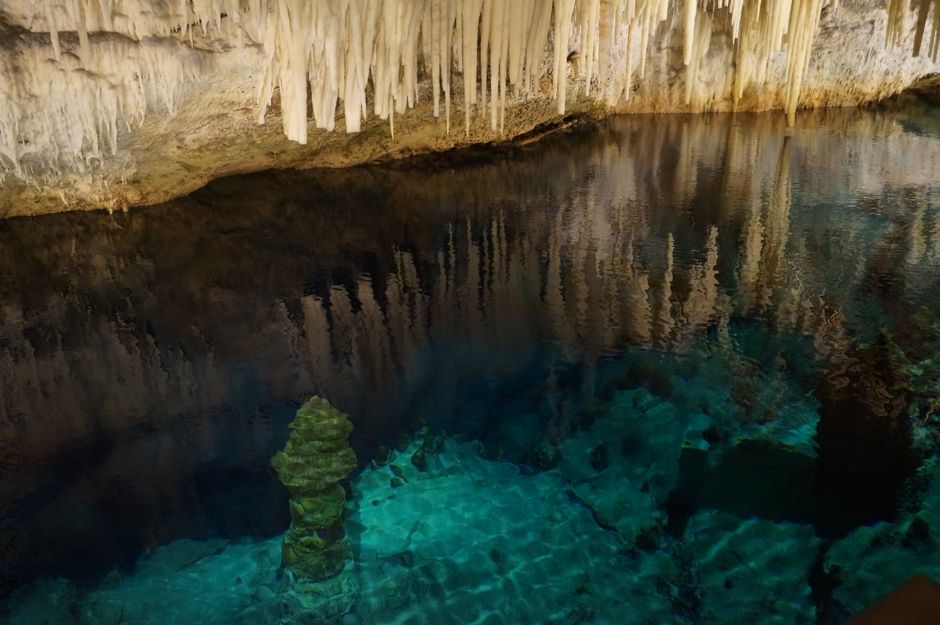
This isn’t just a quirky hydrological experiment; it’s a vital piece of the puzzle for a state grappling with rapid development and environmental stress. Florida sits atop one of the most prolific aquifers in the world, the Upper Floridan, which supplies drinking water to millions. However, its limestone foundation, known as karst topography, makes it incredibly vulnerable. Surface water doesn’t just evaporate or flow to the sea; it plunges into sinkholes and subterranean rivers, only to emerge miles away in pristine springs like Wakulla.
Understanding this subterranean plumbing system is paramount. For too long, policymakers have treated surface water and groundwater as separate entities, distinct challenges to manage. This new data, painstakingly gathered by these dedicated **scientists**, shatters that illusion. It exposes a seamless, if complex, connection, demonstrating that actions taken in one area can have direct, unforeseen impacts on seemingly distant ecosystems. The implications for pollution, development, and water resource management are immense.
The Uncomfortable Truth Beneath Our Feet
The mainstream narrative often focuses on visible pollution or immediate environmental crises. What this dye trace reveals, however, is a far more insidious and widespread threat: the unseen movement of contaminants through our most vital water sources. If a harmless pink dye can travel from Lake Jackson to Wakulla Spring in a little over a month, imagine what agricultural runoff, industrial waste, or everyday urban pollutants can do. This isn’t just about preserving beautiful springs; it’s about safeguarding the very water we drink.
The stakes for Florida, and indeed for any region with similar geology, are sky-high. This discovery should force a complete re-evaluation of land use planning and environmental regulations. Developers often argue that their projects are “upland” or “away from the spring.” However, this experiment proves that distance is often an illusion in karst landscapes. Every development, every new septic tank, every pesticide application, could be directly feeding pollutants into the aquifer that nourishes the state’s iconic springs and provides its drinking water.
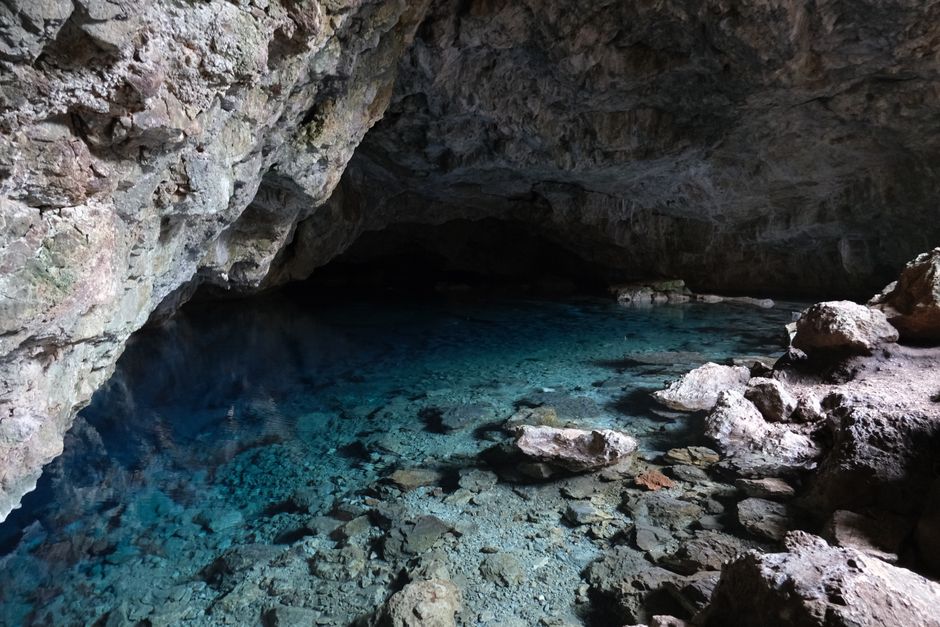
The “win” here is for science and for those who advocate for holistic environmental protection. The “loss” could be for the short-sighted development interests that benefit from ignoring these subterranean realities. What the mainstream misses is the urgency this finding demands. It’s not enough to admire the beauty of Wakulla Spring; we must understand and protect its unseen lifelines. This means investing more in hydrological research and, critically, translating these scientific findings into robust, enforceable policy.
The uncomfortable truth is that we are all downstream, or perhaps more accurately, “down-aquifer,” from someone else’s choices. This revelation should be a seismic event in Florida’s environmental discourse, demanding immediate and serious attention. Will local and state leaders rise to the occasion, or will they continue to let short-term gains imperil the long-term health of our most precious resource? The journey of that pink dye might just be the most important environmental message we’ve heard in years.
Source: Times of India