
While the world collectively holds its breath, bracing for the next economic tremor from a volatile Middle East, one major player seems to be dancing to its own tune. *India* just delivered a growth report that defies the prevailing global gloom, making many wonder if they’re reading the same economic tea leaves.
According to wsj.com, India’s economy posted surprisingly robust growth figures, a remarkable feat considering the significant energy shock emanating from the Middle East. This performance stands in stark contrast to the anticipated drag such global instability usually exerts on energy-importing nations.
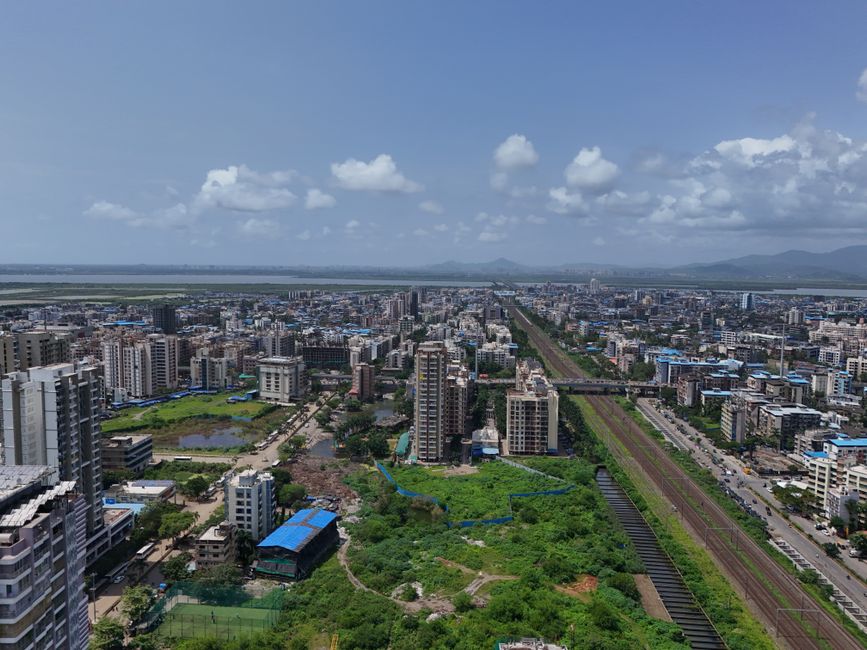
Understanding India’s Unflappable Ascent
This isn’t merely a statistical anomaly; it’s a profound statement on shifting global dynamics. The Middle Eastern energy landscape, perpetually a tinderbox, has once again flared, sending oil prices north and rattling supply chains worldwide. Historically, such shocks would send emerging markets, heavily reliant on imported fossil fuels, into a tailspin of inflation and currency depreciation. Yet, India seems to have navigated these choppy waters with an unexpected swagger.
What gives? The context here is crucial. For years, narratives around India have focused on its vast population and immense potential, often coupled with caveats about bureaucracy and infrastructure deficits. However, recent strategic maneuvers and domestic policy shifts have quietly been building a different kind of economic fortress. This isn’t just about weathering a storm; it’s about re-engineering the ship to be more resilient.
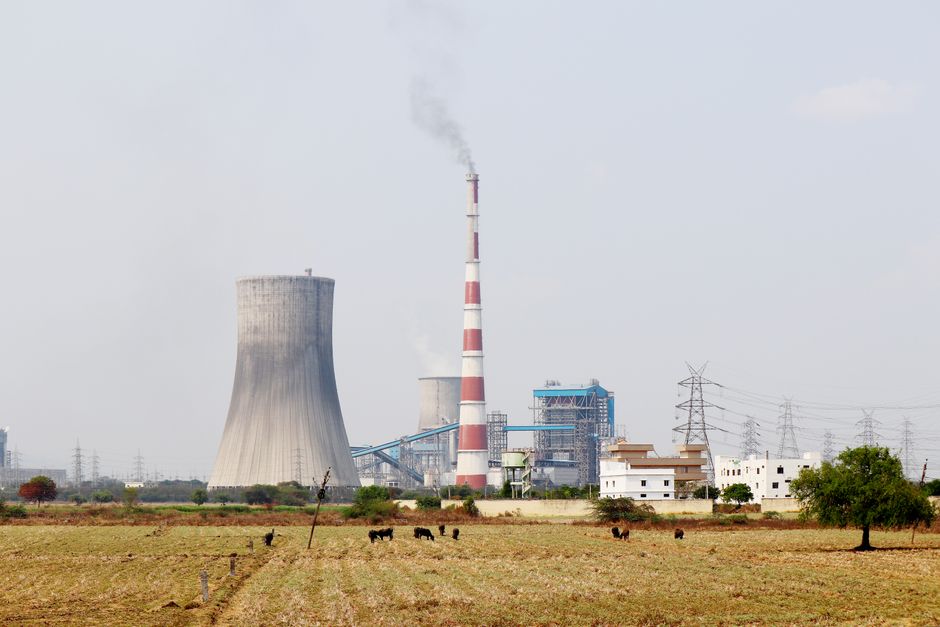
One major factor is undoubtedly India’s increasingly diversified energy strategy. While still a significant importer, the country has actively pursued a mix of long-term contracts, alternative sources, and, crucially, a willingness to engage with diverse suppliers regardless of geopolitical pressures. This pragmatic approach, often criticized by Western allies for its perceived lack of solidarity, now looks less like opportunism and more like prescient self-preservation. Furthermore, the sheer scale of its domestic market acts as a powerful buffer, ensuring that internal consumption can absorb some of the shocks from export-dependent sectors. This internal strength provides a crucial cushion.
The Uncomfortable Truth About India’s Economic Narrative
But let’s not get carried away by the headlines. While this robust growth is undeniably impressive on paper, we must ask: who is truly benefiting from this resilience? A nation’s GDP can surge, yet significant swathes of its population might remain marginalized, struggling with income inequality and lack of access to basic services. The “robust growth” narrative often glosses over the structural challenges that still plague the subcontinent. Is this growth inclusive, or is it further widening the chasm between the urban elite and the rural poor?
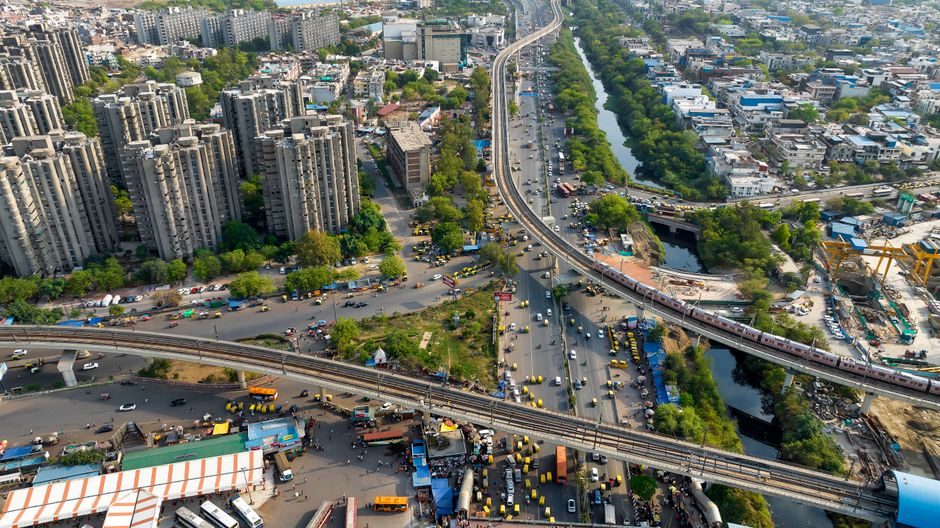
Moreover, the apparent immunity to external shocks might be a double-edged sword. A nation that feels less compelled to align with global norms on issues like climate change or international sanctions, due to its perceived economic invincibility, could present new challenges to multilateral cooperation. India’s strategic autonomy, while economically beneficial in the short term, could complicate broader diplomatic efforts to address interconnected global crises. The West, often quick to chide developing nations, must now contend with a powerful economic actor charting its own course, seemingly unfazed by traditional pressures.
This performance signals a potent shift in the global economic pecking order. For too long, the narrative has been dominated by the G7, with emerging economies merely playing catch-up. India’s ability to thrive amidst global headwinds suggests a maturity and strategic depth that demands a recalibration of international economic expectations. It’s a clear win for the current Indian administration, bolstering its claims of effective economic stewardship and national strength. However, the losers might be those who bet against India’s long-term potential, or those who assumed a more traditional, compliant role for the rising Asian giant. The real test will be whether this growth translates into improved living standards for all, or merely fortifies the position of a select few.
This robust economic performance, therefore, isn’t just a news item; it’s a geopolitical statement. It forces us to confront the limitations of a unipolar economic worldview and acknowledge the rise of genuinely independent economic power centers. The question is no longer *if* India will rise, but *how* it will wield its growing economic might, and what that means for everyone else.
Source: Google — South Asia