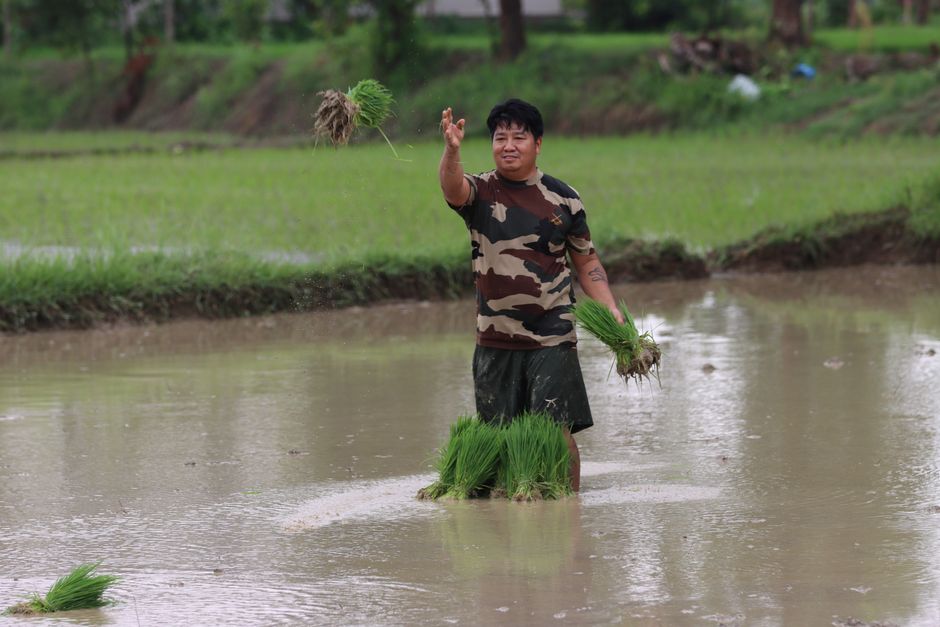
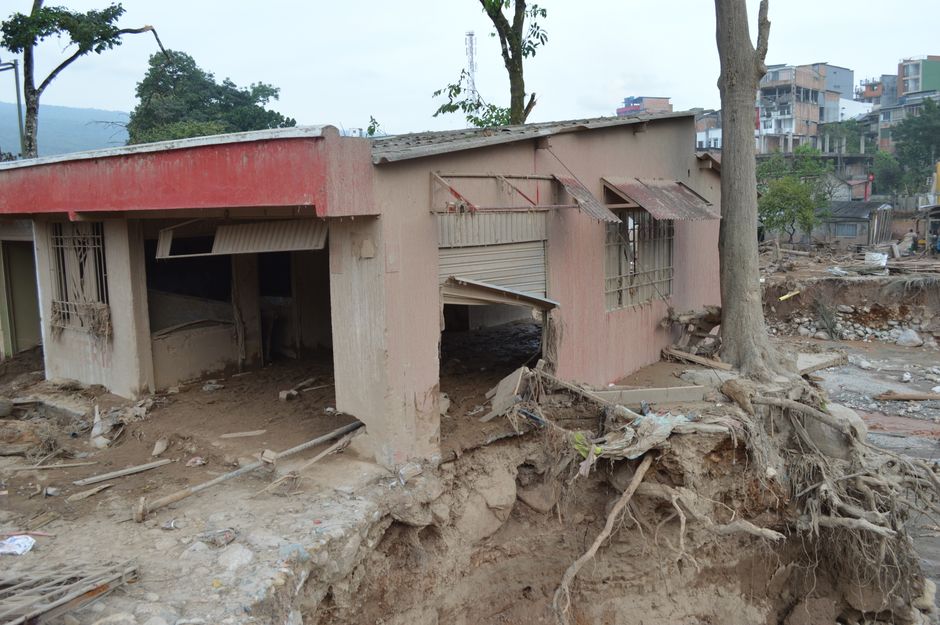
While the world’s attention flits from one fleeting trend to the next, often focusing on the latest celebrity outfit or must-have accessory, an entire nation grapples with a far more profound loss. The recent flash floods have dealt a devastating blow, and **Nepal** now faces the daunting reality of needing billions in funding to simply begin the arduous process of rebuilding. This isn’t just about infrastructure; it’s about the very fabric of a culture.
According to BBC South Asia correspondent Azadeh Moshiri, who is on the ground in Nepal, authorities are struggling to initiate recovery efforts amidst widespread debris and destruction. The sheer scale of the damage demands an immediate and monumental financial injection.
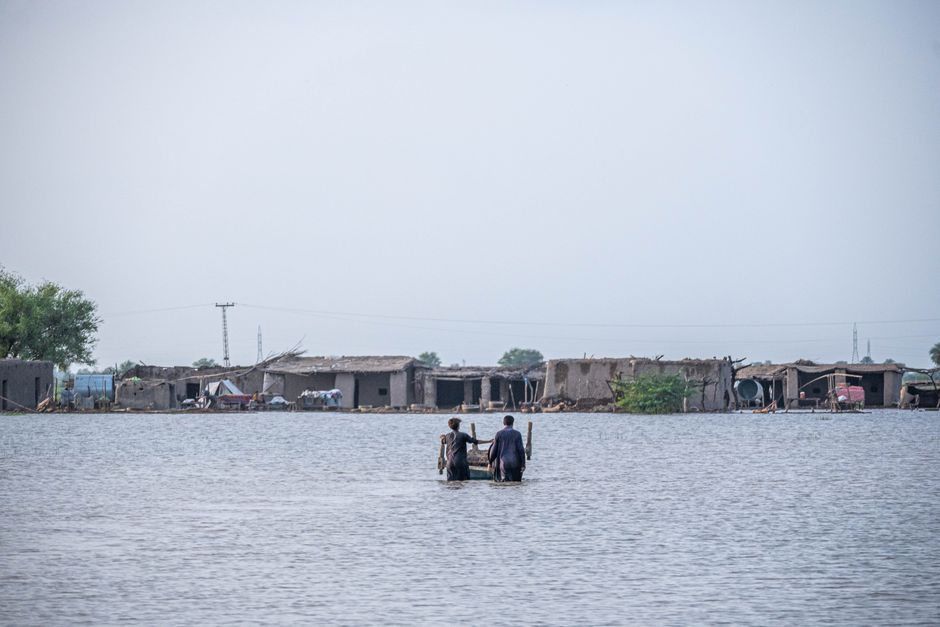
The Unseen Erosion of Nepal’s Cultural Heart
This isn’t merely a structural crisis; it’s an existential one for many communities. Nepal, a country rich in ancient traditions, intricate craftsmanship, and vibrant local economies, sees these vital elements threatened by every lost home and ruined village. We often hear about the need for concrete and steel, but what about the traditional handlooms now submerged, the artisan workshops washed away, or the centuries-old weaving techniques that define a family’s livelihood and a nation’s identity?
These flash floods rip through more than just physical landscapes. They erode the unique cultural heritage that makes Nepal so globally distinct. Consider the intricate textiles, the distinctive pottery, or the unique architectural styles that characterize its villages. These aren’t just decorative; they are economic engines, historical records, and deeply personal expressions of a people’s resilience and creativity.
Meanwhile, the global conversation around rebuilding often focuses on rapid, standardized solutions. This approach frequently overlooks the nuanced value of indigenous building practices or the vital role of traditional arts in post-disaster recovery. The very essence of Nepalese culture, often expressed through its crafts and communal traditions, is at risk of being sidelined in the rush for quick fixes. Therefore, the billions needed must also factor in the preservation and revitalization of these irreplaceable cultural assets.
Beyond Billions: Reclaiming What’s Truly Lost
The mainstream narrative, understandably, centers on the immediate humanitarian crisis and the need for basic infrastructure. However, what is often missed is the interconnectedness of physical recovery with cultural and economic rejuvenation. Who truly wins if homes are rebuilt but the traditional skills that once sustained those households are gone forever? Who loses when global aid prioritizes imported materials over local, sustainable craftsmanship that could empower communities to rebuild with dignity and cultural continuity?
It’s time for a bolder vision for aid and recovery. We must question whether the default approach of funneling billions primarily into large-scale projects adequately addresses the deeper wounds. A truly effective rebuilding strategy for **Nepal** must empower local artisans, invest in resuscitating traditional crafts, and protect the tangible and intangible cultural heritage that defines the nation. This means supporting initiatives that train a new generation in endangered skills, providing micro-financing for craftspeople to rebuild their workshops, and ensuring that cultural sites are restored with reverence for their historical integrity.
Otherwise, we risk building back a shell of what was, stripping communities of the very elements that make them unique and economically viable in the long run. The billions must not just repair the damage; they must reinvest in the soul of **Nepal**.
The truth is, true recovery isn’t just about erecting new buildings; it’s about weaving back together the threads of a society, preserving its unique style, and ensuring its cultural heartbeat continues to pulse. Will the international community rise to this more profound challenge, or will the billions merely paper over the cracks, leaving the deeper cultural wounds unaddressed?
Source: BBC Asia