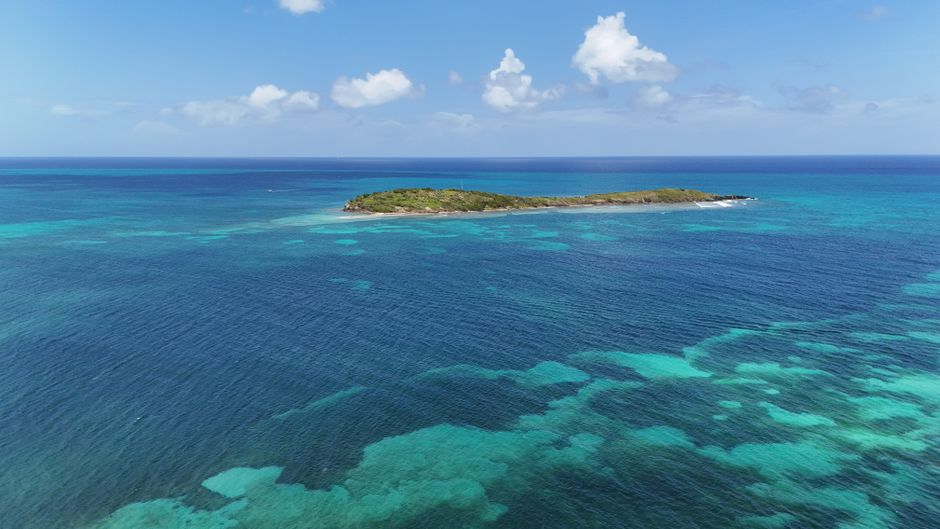
In a world grappling with ecological collapse and staggering wealth disparities, few stories land with the nuanced thud of Richard Branson’s private island paradise. On the surface, it’s a feel-good tale of conservation. Beneath that veneer, however, lies a complex narrative about privilege, optics, and the uncomfortable truth of who gets to “save” the planet.
According to the Times of India, Richard Branson acquired the then-bare 74-acre Necker Island in 1978 for a mere $180,000. Today, thanks to a dedicated conservation program, the island has transformed into a vibrant sanctuary, now sheltering over 140 animal species, including flagship inhabitants like giant tortoises and breeding lemurs.
In the Shadow of Private Paradise
This narrative isn’t just about an island; it’s about the broader implications of extreme private wealth in an era of public environmental crisis. Branson, a prominent figure in UK business circles, has cultivated an image as an adventurous, eco-conscious entrepreneur. His private island, therefore, functions as both a personal retreat and a powerful symbol. The transformation of a barren rock into a biodiversity hotspot is undeniably impressive, a testament to significant investment and sustained effort.
However, the context of this achievement cannot be divorced from the vast fortunes that make such projects possible. While governments and NGOs struggle with funding for conservation, billionaires can simply buy and transform entire ecosystems. This raises uncomfortable questions about equity and responsibility. Is this truly a blueprint for global conservation, or simply a convenient narrative for the ultra-rich to demonstrate their environmental bona fides? Meanwhile, the political discourse in the UK and US often circles back to how wealth is accumulated, taxed, and distributed, especially when it comes to funding public services or addressing climate change.
The Billionaire’s Burden or Billionaire’s Boon?
Let’s be clear: more lemurs and giant tortoises thriving is a net positive. Nobody is arguing against the survival of endangered species. What demands scrutiny, however, is the implicit message embedded in such stories. In fact, this narrative often positions individual philanthropic acts as a substitute for systemic change or robust public policy. It deflects attention from the broader issues of corporate responsibility, resource depletion, and the role of global capitalism in environmental degradation.
On one hand, Branson’s initiative demonstrates what focused private capital can achieve, often with greater agility than bureaucratic government programs. It’s a compelling argument for individual initiative. On the other hand, it also highlights a stark reality: environmental solutions increasingly rely on the whims and goodwill of the super-wealthy, rather than being enshrined as fundamental public responsibilities. This creates a dangerous dependency. What happens when the billionaire tires of the project, or when economic winds shift? In a truly equitable world, shouldn’t vital conservation efforts be a collective undertaking, funded through fair taxation and robust international cooperation, rather than reliant on private playgrounds? It’s a convenient form of greenwashing for an industry often criticized for its environmental footprint. It also allows the wealthy to pick and choose which battles to fight, often those that align neatly with their personal interests or public relations strategy.
We celebrate these personal triumphs, yet we rarely interrogate the systems that enable such vast concentrations of wealth in the first place, or the political will (or lack thereof) to implement universal environmental protections. This isn’t just about an island; it’s about the narrative we accept regarding environmental stewardship. Is the best we can hope for a collection of privately owned ecological oases, or should we demand a planet where all ecosystems are valued and protected, regardless of who owns the deed?
In the end, while the lemurs and tortoises on Necker Island certainly benefit, the broader question remains: does this model truly serve the planet, or does it merely serve to polish the halo of its affluent benefactor, allowing us to ignore the larger, more inconvenient truths about global environmental responsibility?
Source: Times of India