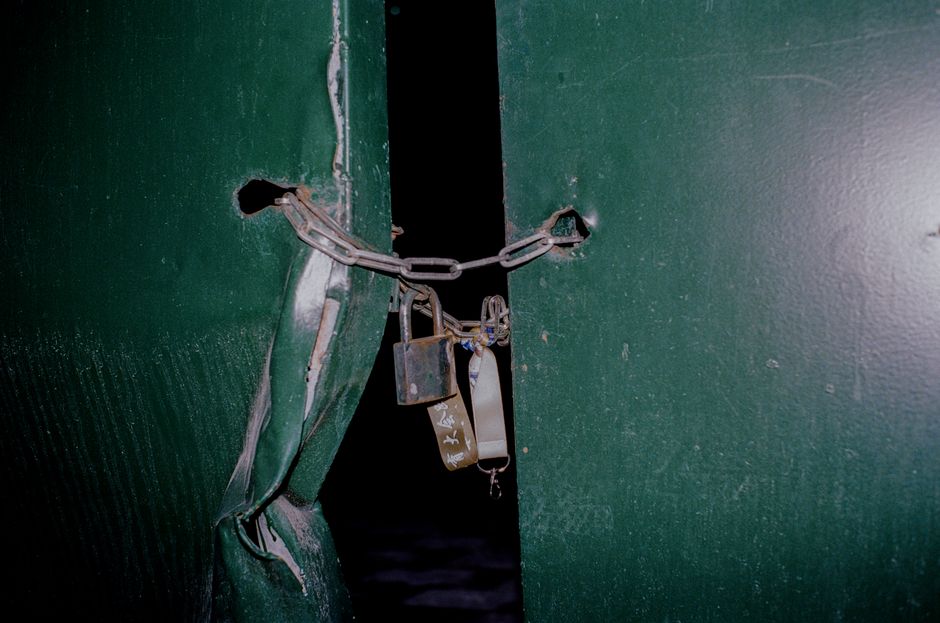
Fourteen infants burned to death in a hospital ward, and the first, most damning detail to emerge isn’t about the fire itself, but a locked door. This isn’t just a tragic accident; it’s a grotesque symbol of systemic failure, a chilling testament to how misplaced priorities can turn a place of healing into a death trap. The very structure meant to safeguard life became an inescapable barrier, a final, horrifying seal on the fate of innocent newborns.
According to BBC Asia, witnesses claim the ward door was locked during the devastating fire. This assertion directly contradicts the hospital’s official statement to the BBC, which insisted the door was not locked but “manned with security guards” specifically “to protect the babies.”
The Chilling Irony of a Locked Door
This isn’t just about a fire; it’s about what that fire exposed. Pakistan’s healthcare infrastructure, particularly in public institutions, is often stretched thin, underfunded, and riddled with oversight issues. When a hospital, a sanctuary for the sick and vulnerable, becomes a place where the most defenseless are trapped by a safety measure gone horribly wrong, it demands more than just an investigation into the blaze. It calls for a ruthless examination of the protocols, the training, and the fundamental value placed on human life. The tragic irony of the locked door, purportedly for “protection,” turning into a fatal barrier for infants who could neither open it nor cry for help, speaks volumes about a system that often prioritizes control or perceived security over basic, life-saving egress.
This incident immediately draws attention to the wider context of public safety standards, or the glaring lack thereof, in many developing nations. Fire safety drills, emergency exits, and rapid response protocols are not luxuries; they are fundamental necessities, especially in environments housing the most fragile members of society. The hospital’s claim about security guards “manning” the door, rather than it being locked, attempts to shift the narrative, but it only raises more questions. If guards were present, why were the babies not evacuated? If the door was indeed manned, was it not meant to open in an emergency? Such claims, instead of reassuring, often highlight a deeper bureaucratic paralysis and a culture of blame deflection when confronted with catastrophic failures.
Accountability Beyond the Blaze
Let’s cut through the official statements and PR spin. The fundamental question isn’t just how the fire started, but why it became so deadly for those babies. A locked door in an emergency is an unforgivable breach of safety. The hospital’s defense – that it was “manned” for “protection” – is an insult to common sense. What kind of protection seals off escape routes for infants who cannot help themselves? This isn’t security; it’s a tragic bureaucratic oversight, a policy decision that, whether intentional or not, directly contributed to mass casualty. It exposes a profound disconnect between policy formulation and its life-or-death implications on the ground.
This isn’t merely a local tragedy; it’s a stark reminder of the global challenges in public health and safety. The stakes are immense, not just for the grieving families but for every parent who entrusts their child to institutional care. Who wins in this scenario? Certainly not the victims or their families. The system, with its layers of bureaucracy and denial, often attempts to win by minimizing culpability, by framing a systemic failure as an unfortunate incident. But the losers are clear: the fourteen infants whose lives were extinguished, and the public trust that erodes with every such preventable disaster. The mainstream narrative might focus on the “fire,” but the real story, the more damning one, lies with the policies that created the death trap, symbolized by that unforgiving door.
The aftermath of such a tragedy often devolves into finger-pointing and promises of investigations that rarely yield meaningful change. But until institutions are held accountable for creating conditions where a locked door can become an instrument of death, we will continue to witness these heartbreaking, entirely preventable losses. What will it take for basic safety to be prioritized over bureaucratic convenience or misguided security measures? The question hangs heavy, a silent accusation against a system that failed its most vulnerable.
Source: BBC Asia