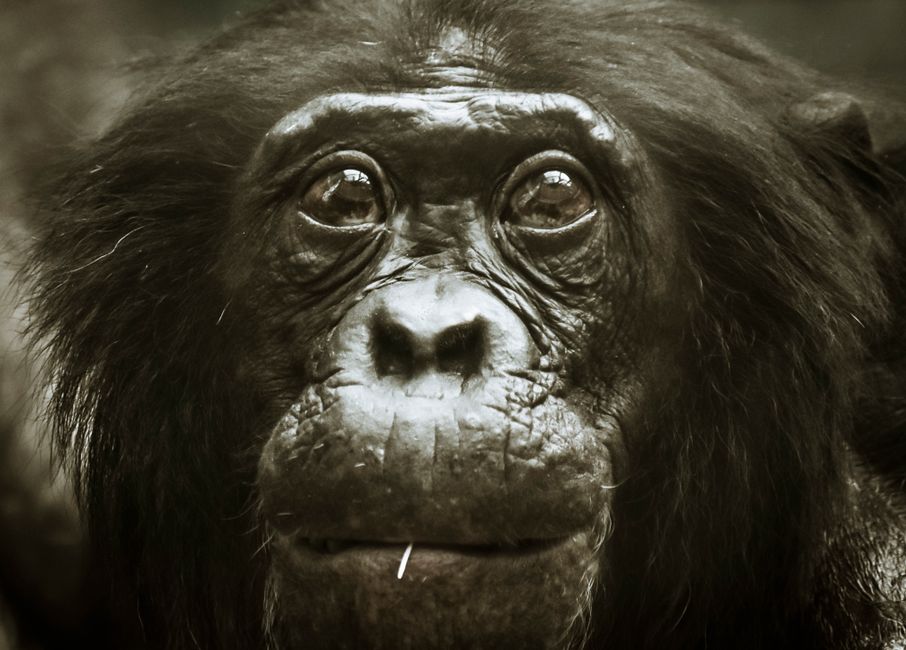
We love to pat ourselves on the back for our advanced cognitive abilities, often setting ourselves apart from the “animal kingdom.” But what if the very thing we pride ourselves on – memory, deep social bonds – isn’t so unique? In a world increasingly obsessed with artificial intelligence mirroring human thought, new research forces us to confront the profound intelligence staring back at us from behind zoo glass.
According to the *Times of India*, Johns Hopkins researchers in 2022 unveiled findings that bonobos and chimpanzees possess an astonishing capacity for long-term social memory. This was dramatically evidenced when a bonobo named Louise recognized her sister after a staggering twenty-six years apart, a testament to the enduring depth of their familial connections.
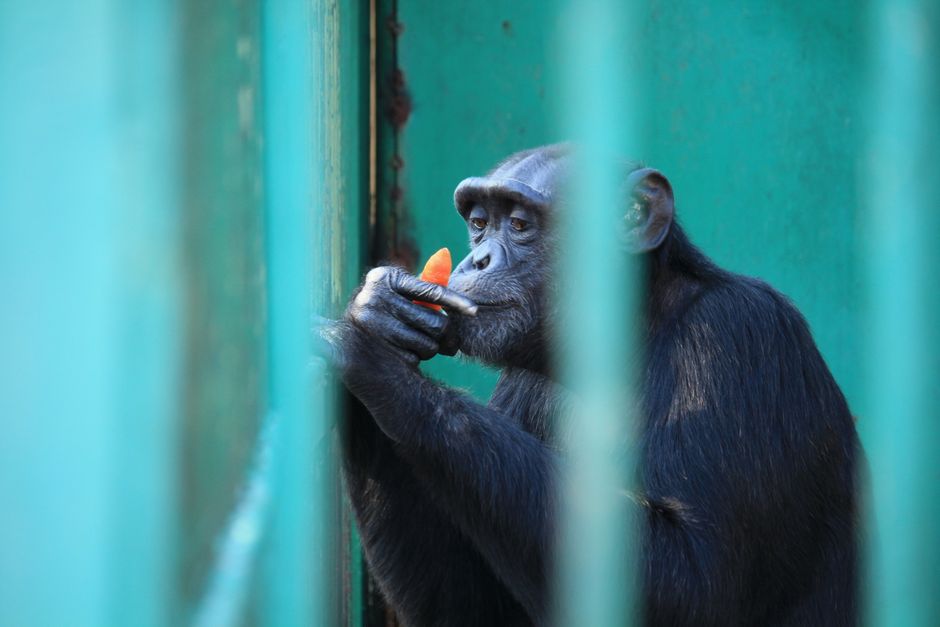
The Uncomfortable Mirror: Deep Memory In Apes
This isn’t merely a heartwarming anecdote; it’s a seismic shift in how we ought to perceive our closest primate relatives. For decades, scientific understanding of animal cognition, particularly regarding long-term social memory, has been evolving. Early studies often underestimated the complexity of their emotional and social lives, focusing more on immediate problem-solving rather than enduring psychological landscapes.
The significance of Louise’s story, as reported by the *Times of India*, extends far beyond a simple reunion. It speaks to an intricate web of past relationships, emotional recall, and an awareness of self and other that challenges anthropocentric views of intelligence. These aren’t just creatures reacting to stimuli; they are beings with histories, attachments, and the capacity for persistent longing.
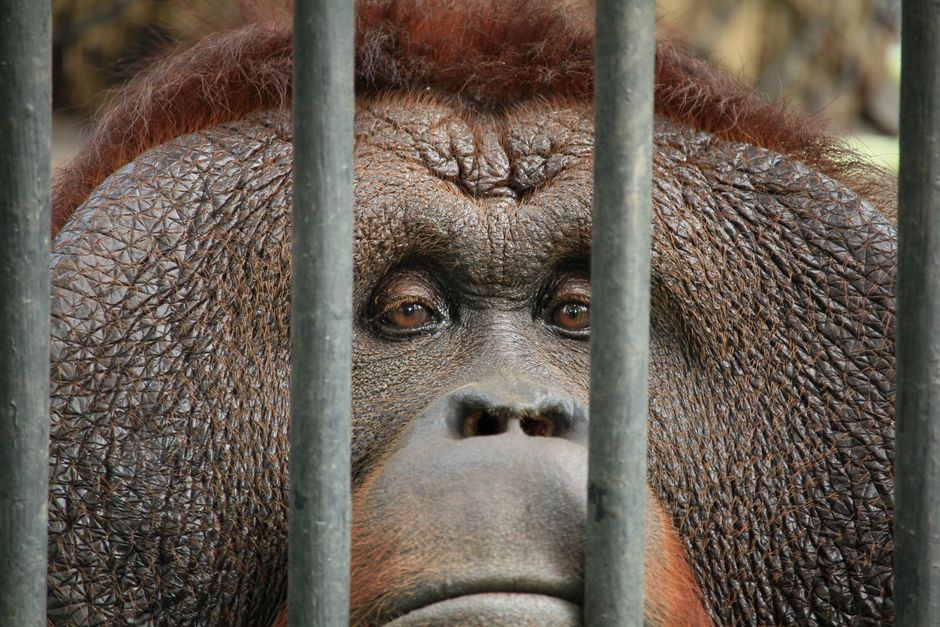
Consider the implications for captive animals. We confine these intelligent beings, often separating them from established social structures and family units, under the guise of conservation or education. Yet, if they remember companions for decades, what psychological toll does such separation inflict? We’re not just housing animals; we’re often housing individuals with profound, enduring grief and memory.
This research also lands at a fascinating juncture in human technological advancement. We’re pouring billions into developing AI models that can “remember” conversations, “learn” from past interactions, and build complex internal representations of the world. We marvel at the sophistication of large language models and their capacity for recall, often seeing them as a step towards “true” intelligence. Meanwhile, an intelligence far more ancient, far more organically complex, has been demonstrating these very capabilities, albeit without the silicon.
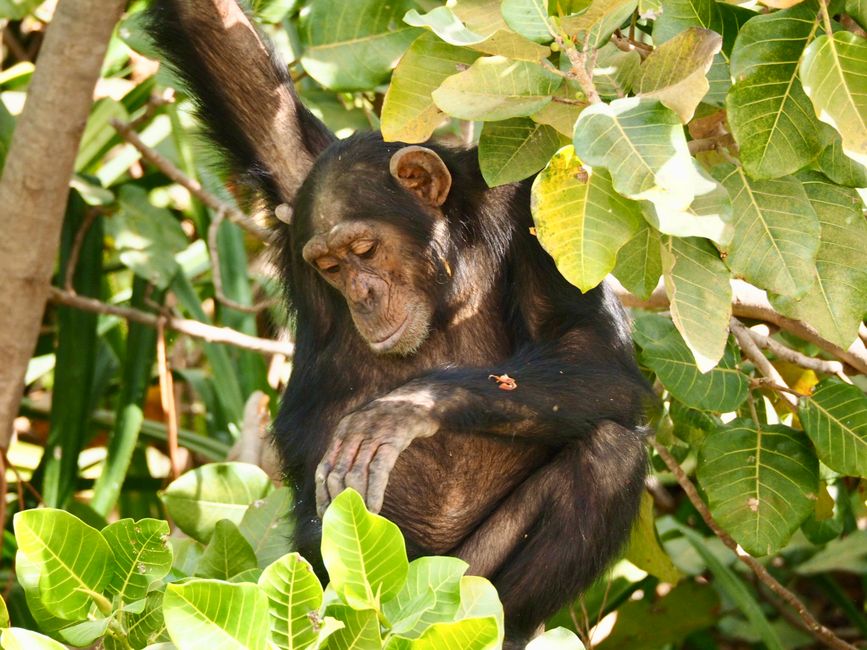
The parallels, though not exact, are striking. If we laud AI for its memory and learning, shouldn’t we extend a similar reverence, or at least a deeper ethical consideration, to species that display such profound natural intelligence? The notion of “consciousness” and “sentience” becomes incredibly blurry when a bonobo can recall a sibling after a quarter-century.
Our Moral Blind Spot: When Tech Outpaces Empathy
Here’s the uncomfortable truth: While we obsess over whether AI will achieve sentience, we’re overlooking the undeniable sentience right in front of us. The Johns Hopkins research, highlighted by the *Times of India*, doesn’t just reveal a biological fact; it exposes a gaping hole in our collective ethical framework. We are quick to champion animal welfare in abstract terms, but when confronted with the tangible evidence of their deep psychological lives, our actions often fall short.
Who wins here? The researchers, certainly, for expanding the frontiers of scientific knowledge. Humanity, perhaps, if we choose to learn and evolve our ethics. But the bonobos and chimpanzees currently in captivity, separated from their kin, are undoubtedly losing. They are enduring the psychological pain of remembering loved ones they can no longer reach, a pain we inflict by our management practices.
The mainstream narrative often sanitizes the reality of animal captivity, framing zoos as educational havens or essential conservation efforts. However, this research flips that script. If these animals have such powerful, long-term memory, every enclosure becomes less of a home and more of a prison, especially for those forcibly separated from their families. The idea of “enrichment” in captivity seems profoundly inadequate when contrasted with the richness of memory Louise demonstrated.
Moreover, this discovery should be a gut-check for our relationship with technology. We are so focused on building artificial minds that replicate certain human functions, yet we struggle to fully acknowledge the complex natural minds that exist. It’s almost as if our technological prowess has created a moral blind spot, making us more impressed by engineered mimicry than by genuine, evolved intelligence. Instead of solely asking what AI can *do*, we should also be asking what natural intelligence *is* and what responsibilities that recognition imposes on us.
The challenge isn’t just to improve the physical conditions of captive apes; it’s to fundamentally rethink the entire premise of their captivity. If these animals carry memories spanning decades, then their emotional well-being demands far more than just food and shelter. It demands recognition of their enduring relationships and the deep psychological scars caused by their disruption. In this context, our technological advancements in understanding intelligence should lead to a greater empathy, not just a greater fascination with our own creations.
The bonobo Louise didn’t just recognize her sister; she recognized us. She recognized our failure to grasp the depth of her world. The question now isn’t whether apes remember; it’s whether we, with all our vaunted intelligence and technological might, are finally ready to.
Source: Times of India