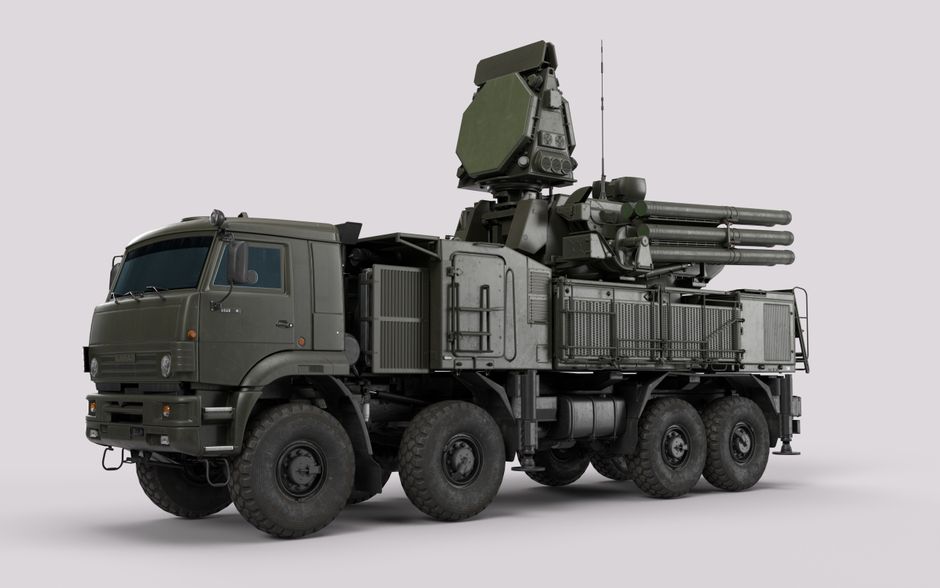
The latest pronouncements from Downing Street offer a stark, if perhaps unintentionally candid, assessment of the conflict in Ukraine: Western missiles, it seems, will help Ukraine, but they won’t quite help Ukraine to **win the** war. A rather sobering distinction, wouldn’t you say?
Prime Minister Burnham, making a highly visible visit to Kyiv, arrived bearing not just platitudes but also the promise of more British weaponry. This wasn’t merely a photo opportunity; it was a clear signal of continued — and indeed, escalated — material support. The backdrop, as The New York Times reported, was an ongoing amplification of warnings from Moscow, suggesting Russia is far from intimidated. Reuters, ever the pragmatist, noted the Kremlin’s entirely predictable assessment that British missile help would merely “add fuel to the fire.”
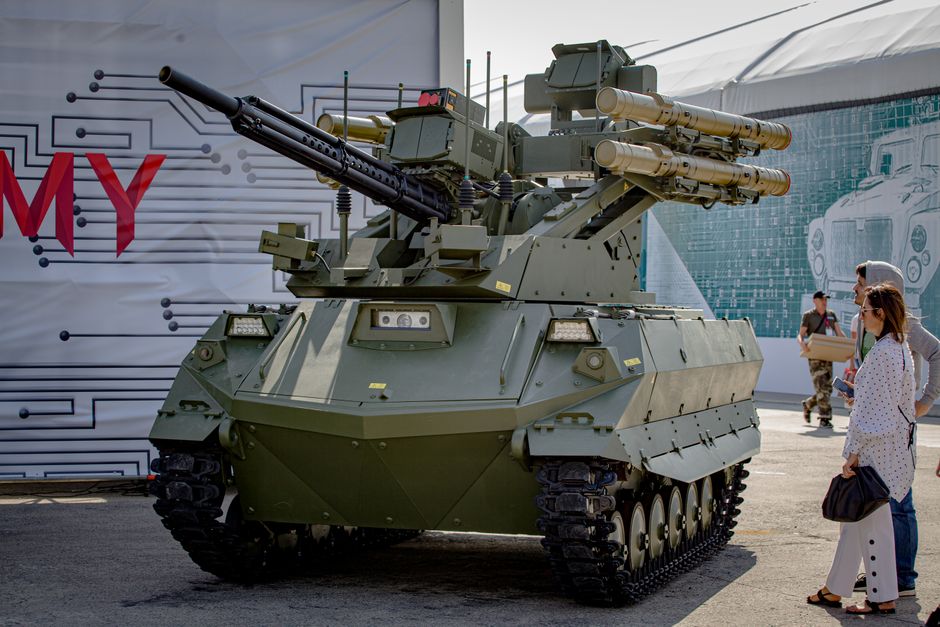
Burnham’s presence in Kyiv itself speaks volumes, offering a potent visual of unwavering solidarity, even as the conflict grinds on. His commitment to providing further assistance, specifically missiles, is a tangible demonstration of that support. It’s an act that, despite the Kremlin’s bluster, undoubtedly offers some strategic advantage to Ukraine on the ground. The very act of a Western leader standing shoulder-to-shoulder with Ukraine’s President in a warzone conveys a powerful message, both to allies and adversaries. It reiterates that the West, despite its various domestic distractions, is not simply looking away. Moreover, the BBC’s framing of Burnham’s message — that these new missiles will “help” but “won’t win the war” — is a moment of rare, if somewhat bleak, candour. It suggests a more pragmatic, perhaps even resigned, understanding of the conflict’s true nature, moving beyond the sometimes-grandiose rhetoric of decisive victory. This subtle shift from outright triumph to mere assistance might well be the most revealing insight from the entire diplomatic exchange, setting a new, more realistic, benchmark for Western involvement.
What landed
What truly landed from this latest diplomatic foray wasn’t just the promise of hardware, but the implicit, almost understated, recalibration of expectations. The BBC’s report, presumably reflecting an official briefing or a nuanced interpretation of Burnham’s stance, provided a rare public glimpse into the realistic (or perhaps pessimistic) outlook of Western leaders. That these missiles “will help Ukraine – but won’t win the war” is a stark admission. It’s a far cry from the chest-thumping declarations of total victory that once echoed through various parliamentary chambers. This isn’t a failure of support, perhaps, but a recognition of the brutal realities of modern warfare and the limitations of even advanced weaponry against a determined, if often brutal, adversary.
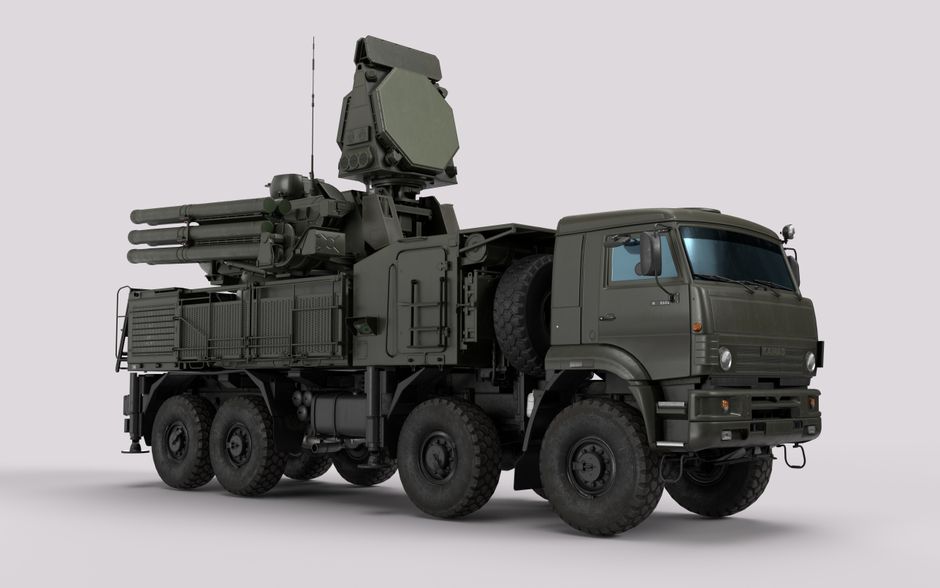
One might even credit the Prime Minister, or his strategic communicators, for a refreshing dose of realism, however unpalatable. In an era where political rhetoric often outpaces reality, acknowledging that a tranche of missiles, however potent, won’t deliver a decisive knockout blow is a quiet but significant shift. It implicitly prepares the public for a prolonged struggle, for a war of attrition rather than a swift, glorious triumph. This isn’t just about managing expectations; it’s about re-framing the very definition of success. If “winning” is off the table for now, then “helping” becomes the operative word, signifying resilience, sustained pressure, and perhaps, a long and arduous path to a negotiated settlement rather than a battlefield rout.
What doesn’t add up
The most glaring query arising from this nuanced messaging is what, precisely, is the long-term endgame if “winning the war” is no longer the stated objective? If Western aid is designed to help Ukraine avoid defeat, rather than secure victory, then the strategic goalposts have clearly shifted. This raises uncomfortable questions about the previous, more optimistic pronouncements from Western capitals regarding the conflict’s eventual outcome. Was the earlier rhetoric merely aspirational, or has the assessment of Ukraine’s chances fundamentally changed? The briefing doesn’t offer Burnham’s explanation for this distinction, leaving us to wonder if it’s a strategic pivot or simply a long-overdue dose of realism being filtered through the media.
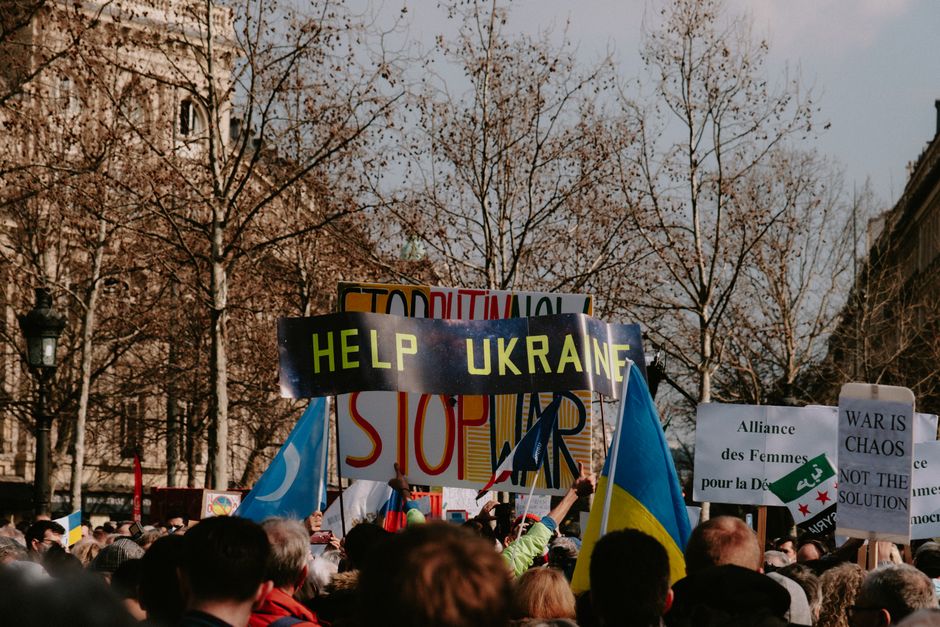
Furthermore, while the Kremlin’s “adds fuel to the fire” line, as reported by Reuters, is a classic piece of Russian diplomatic theatre, it does underscore the seemingly intractable nature of the conflict. Burnham’s visit and missile promise, while vital, don’t appear to be accompanied by any new diplomatic initiatives or off-ramps. The approach seems to be one of sustained military assistance, without a clear articulation of how that assistance ultimately contributes to a cessation of hostilities or a lasting peace, beyond simply making the war more difficult for Russia. One is left to wonder if the strategy is now simply to contain, rather than definitively conclude, the conflict.
Monday morning, the implications of this subtle but significant rhetorical shift will undoubtedly ripple through strategic planning rooms and public discourse alike. For Ukraine, it means continued, perhaps even enhanced, support, but also a quiet acknowledgement that the road ahead remains incredibly difficult. For Western publics, it’s an implicit preparation for a long haul, where success is measured not in decisive victories but in sustained resistance and the prevention of outright collapse. The goal, it seems, has quietly transitioned from helping Ukraine *win* to merely helping it *endure*.
Source: OnTheRecord