
The gears of state diplomacy, usually oiled with precision, occasionally grind to a halt, or worse, reverse course entirely. This week’s curious case of a withdrawn communique from **Rashtrapati Bhavan** offers a telling glimpse into the mechanics of official communication, proving that even the most stately institutions can stumble over their own pronouncements.
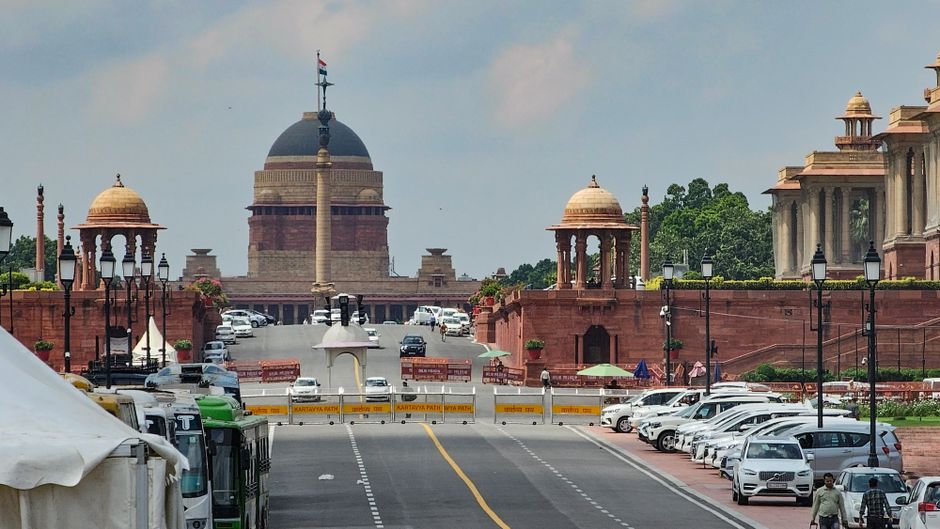
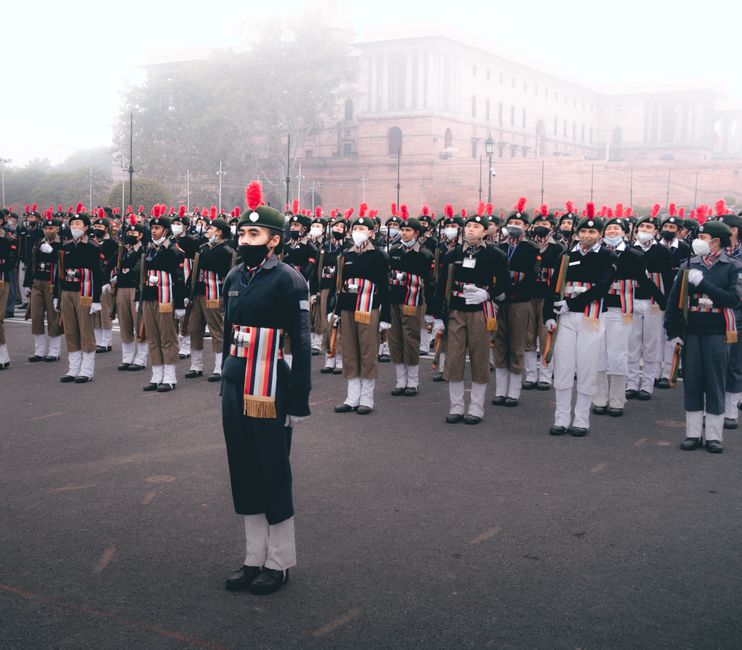
On Friday, the presidential palace issued a notice, then promptly retracted it, regarding the ceremonial welcome for Bangladesh Prime Minister Tarique Rahman. The initial communique, as reported by Business-Standard.com, announced the cancellation of the regular Change of Guard ceremony, a cherished public event, to make way for a full rehearsal of the upcoming VVIP reception. This seemingly minor administrative hiccup occurred just ahead of a high-stakes diplomatic visit.
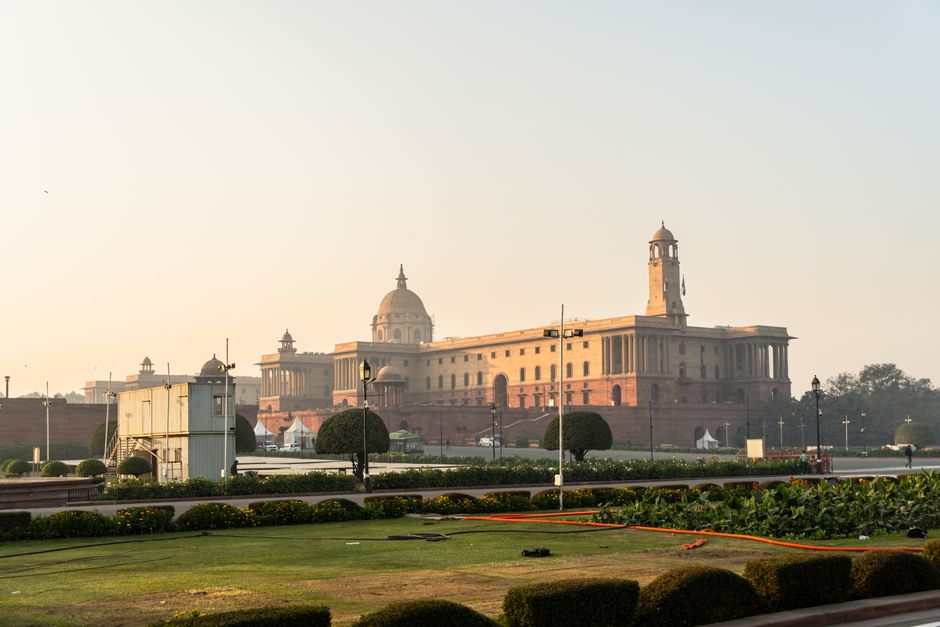
Prime Minister Rahman’s arrival is not merely a formality; it signifies ongoing strategic dialogue and bilateral ties between two nations with complex, shared histories and futures. The meticulous planning of such visits typically reflects a nation’s respect and administrative prowess, designed to project an image of seamless efficiency and unwavering welcome.
The swift withdrawal, however, injected a fresh layer of confusion into the public sphere, raising eyebrows among diplomatic observers and potentially casting a shadow of disarray over the otherwise well-oiled machinery of state protocol. It begged the question: what exactly transpired within the hallowed halls that necessitated such an abrupt U-turn?
What landed
The initial communique, however fleeting its lifespan, conveyed a clear and unequivocal message: the impending visit of Prime Minister Rahman was of such paramount diplomatic importance that even a long-standing, cherished tradition like the Change of Guard would be temporarily set aside. This gesture, intended to ensure the perfect execution of a ceremonial welcome, inadvertently underscored the significant weight placed on flawless protocol in international relations. For a brief window, it offered a rare glimpse into the meticulous, almost obsessive, attention to detail that underpins high-stakes state visits. The decision to hold a full rehearsal, complete with all ceremonial trimmings, spoke volumes about the desire to present a united, competent, and respectful front to a key regional ally. It revealed the intense, often hidden, planning that makes the grand spectacles of diplomacy appear effortless.
Yet, the subsequent, silent withdrawal of this very communique landed a different, far more unsettling message. It was not merely a clarification of a minor detail; it was a retraction of clarity itself, an unforced error that exposed either a pronounced lack of internal coordination, a fundamental misunderstanding of established protocol, or perhaps even a hurried, ill-considered decision that had to be hastily corrected under pressure. This administrative about-face inadvertently highlighted the inherent fragility of official communication, particularly when it touches upon both public expectations and sensitive diplomatic arrangements. It suggested, with an almost theatrical irony, that at times, the revered right hand of state protocol might not quite know what the equally revered left hand is communicating, leading to an unnecessary spectacle of public indecision from an institution synonymous with unwavering certainty.
What doesn’t add up
The most striking element here, of course, is the sheer, unvarnished act of contradiction. A formal announcement from Rashtrapati Bhavan, an institution that stands as an enduring emblem of national authority, precision, and continuity, was publicly issued and then, just as publicly (if quietly), un-issued. This wasn’t merely a nuanced correction or an updated advisory; it was a complete and abrupt reversal of a public statement, presenting a stark and unsettling contrast to the expected gravitas and reliability of such a high office. It was the administrative equivalent of sending a formal invitation, only to snatch it back before the ink is dry, leaving a lingering sense of bewilderment.
What remains conspicuously absent from the record, and therefore deeply problematic, is any official explanation for this administrative somersault. Was the initial announcement made in error, perhaps without proper clearance from all relevant departments? Was there a last-minute change in Prime Minister Rahman’s itinerary that suddenly rendered the elaborate rehearsal unnecessary or incorrectly scheduled? The silence on the crucial ‘why’ amplifies the confusion exponentially, leaving ample room for speculation about internal miscommunication, bureaucratic turf wars, or even subtle diplomatic sensitivities that remain unaddressed. This lack of transparency contrasts sharply with the expectation of accountability in modern governance.
This incident, as reported by Business-Standard.com, stands in particularly sharp contrast to the typical precision and meticulousness associated with Indian state protocol, which prides itself on its seamless execution. Usually, communiques from Rashtrapati Bhavan are not just vetted; they are subjected to multiple layers of scrutiny, reflecting an institutional commitment to unwavering accuracy and diplomatic propriety. The swift withdrawal, therefore, suggests a significant and concerning breakdown in this very process, implying either a hurried decision-making process, a critical oversight in internal coordination, or perhaps even a misjudgment of public and diplomatic perception. It’s a rare crack in the facade of otherwise impeccable administrative competence.
Furthermore, the timing of this bureaucratic blunder is far from ideal. With a key diplomatic visit from a vital regional partner looming large, such administrative fumbles, however minor they might appear in isolation, possess an unfortunate capacity to ripple through the diplomatic corps. They invariably raise subtle but persistent questions about the smooth functioning of host nation arrangements, potentially distracting from the substantive agenda of bilateral discussions. The inconsistency between the initial, definitive statement and its subsequent, unexplained retraction creates an unwelcome impression of disarray precisely where calm, unflappable competence is most acutely expected, setting an odd tone even before the VVIP’s plane has touched down.
Come Monday morning, the larger questions about the efficiency of state communication and coordination will linger, even as the Change of Guard ceremony likely proceeds as usual. This incident, while seemingly small, serves as a sharp reminder that in the high-stakes world of international diplomacy, every communique, every announcement, and indeed every retraction, is scrutinized. It underscores the critical importance of coherent, consistent messaging, lest administrative fumbles inadvertently overshadow the very diplomatic relations they are meant to facilitate.
Source: OnTheRecord