What truly defines our perspective? Is it the endless scroll of curated content, or the raw, unfiltered majesty of the cosmos? Every year, as the northern hemisphere rolls into **August**, we get a celestial reminder of what we’re missing, often right above our heads.
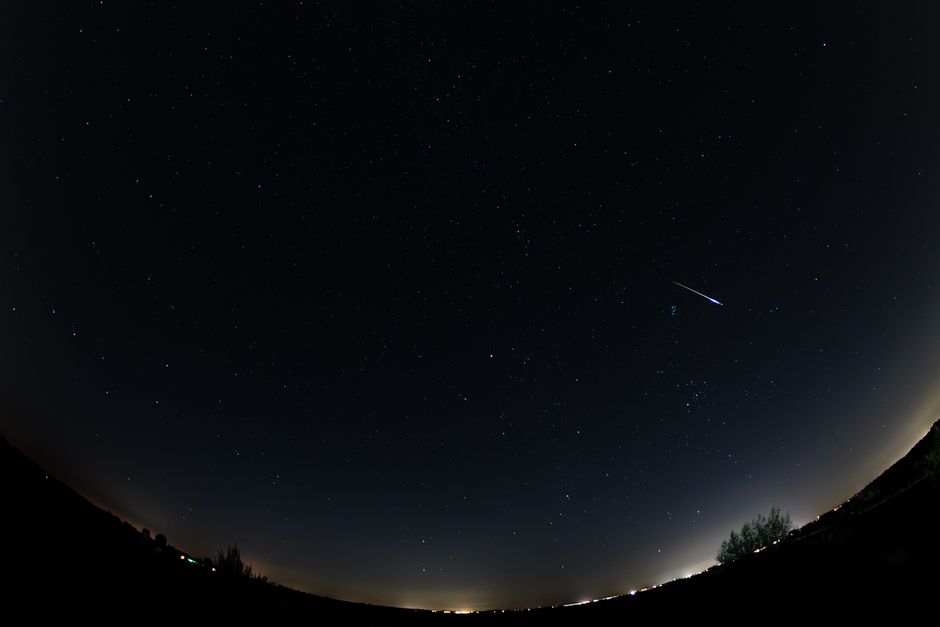
According to NASA Breaking, their Astronomy Picture of the Day (APOD) for August 22, 2026, highlighted “Mostly Perseids,” featuring an image and explanation of this annual celestial spectacle. It’s a daily ritual for them, showcasing the universe’s wonders with the keen eye of a professional astronomer.
Why August’s Cosmic Spectacle Endures
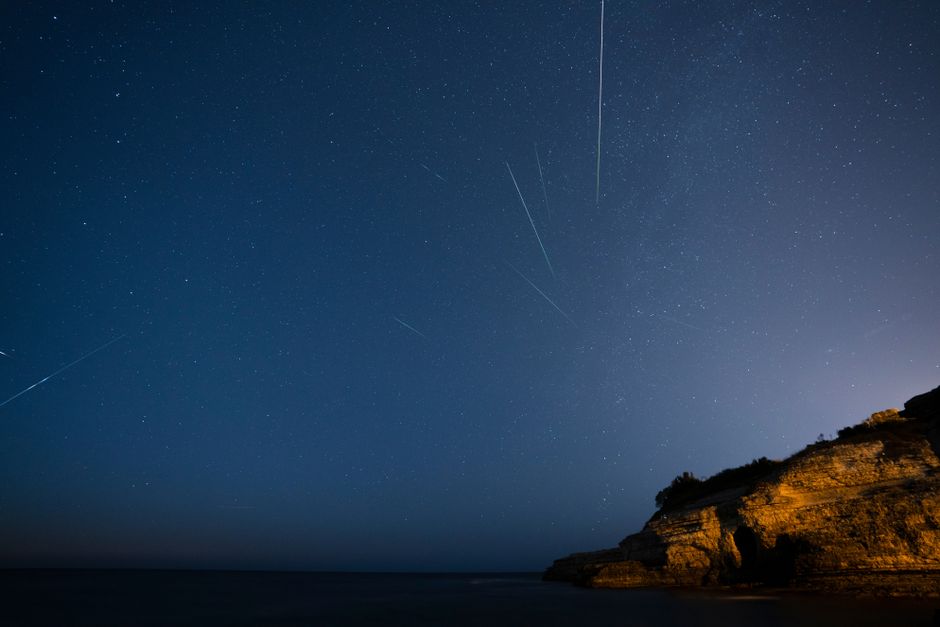
This isn’t just another pretty picture. The Perseids meteor shower is one of the most reliable and beloved astronomical events, a staple of late summer nights. What makes it so enduring? Perhaps it’s the sheer accessibility; no expensive equipment, no special passes, just your eyes and a clear sky. The shower originates from the debris left by Comet Swift-Tuttle, a trail of cosmic dust that Earth plows through each year, turning tiny particles into fleeting streaks of light as they burn up in our atmosphere. This particular August, like many before it, offered a chance to reconnect with something primal and vast. It’s a moment of profound humility, a reminder that our bustling planet is just one tiny participant in an unimaginably grand cosmic dance. We are, quite literally, moving through the remnants of a comet that last visited our solar system in 1992 and won’t return until 2126. This context elevates the event from a mere light show to a tangible link across unimaginable distances and stretches of time.
The Unseen Revolution of Our August Skies
Here’s the rub: we live in an era of unprecedented digital noise, of manufactured outrage and carefully constructed realities. Yet, overhead, a genuine, unadulterated wonder unfolds. The Perseids offer a brief, powerful antidote to the relentless pull of our screens and the echo chambers we inhabit. Who truly wins when a meteor shower lights up the sky? Not the corporations vying for our attention, nor the political factions clamoring for our allegiance. The victory belongs to anyone who chooses to look up, to disconnect, and to simply *be* present. They are the ones who reclaim a sliver of peace, who remember that some beauty requires no explanation, no monetization, and no algorithm. The loss, however, is for those who remain tethered to their devices, missing the ephemeral glory unfolding above them. They trade a universal, awe-inspiring experience for another notification, another fleeting piece of content. What does it say about our collective priorities when a cosmic event, visible to billions, struggles to compete with the latest viral video? This isn’t merely about stargazing; it’s about reclaiming our capacity for genuine wonder, for an experience that doesn’t demand interaction or validation.
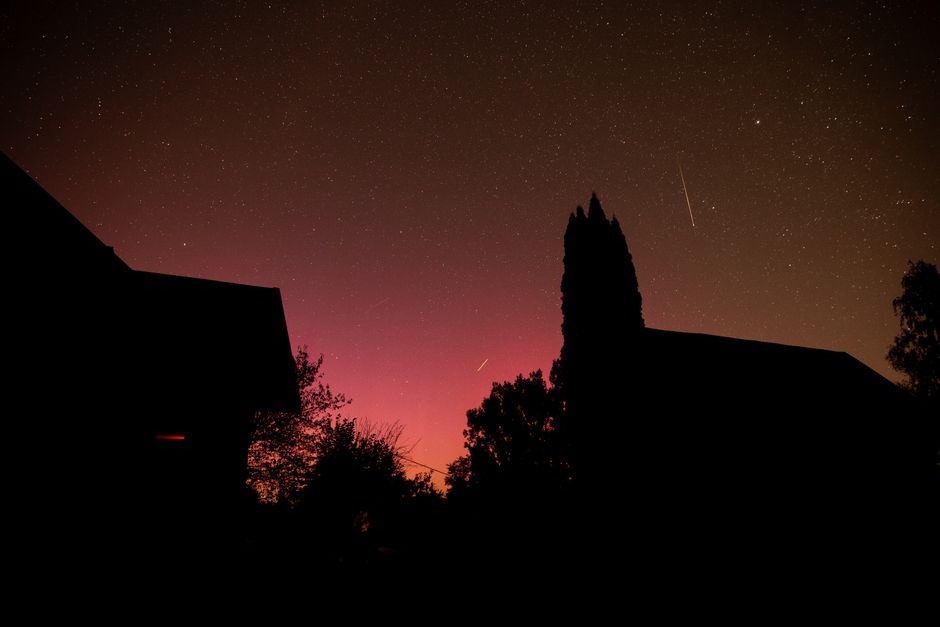
Some might argue that scientific images, like the APOD, are precisely how we *do* connect with the cosmos in our busy lives, a convenient digital window. And yes, they serve a vital purpose in education and inspiration. However, there’s a profound difference between seeing a photograph of a meteor shower and feeling the cool night air, smelling the grass, and experiencing the silent majesty of a shooting star with your own eyes. The image is a proxy; the direct experience is a revelation. We risk becoming spectators of life, rather than participants in it, if we rely solely on screens for our sense of wonder. The beauty of the Perseids in **August** isn’t just in the light; it’s in the invitation to step outside ourselves, if only for a few moments. It’s a call to remember the sheer scale of existence beyond our human dramas.
So, as we inevitably approach another **August**, another celestial performance, ask yourself: Will you be staring down at your phone, or will you be looking up, joining the ancient tradition of humanity marveling at the stars? The universe keeps its promises, but do we keep ours to truly see it?
Source: NASA Breaking