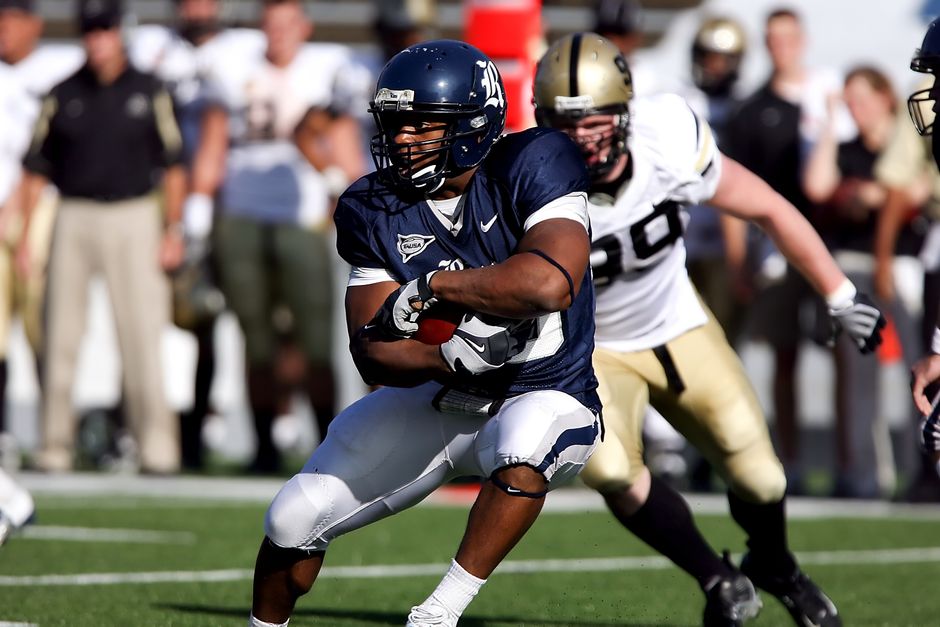
The ink isn’t even dry on this year’s championships, yet the prophets of Fantasy Football are already divining 2026. This isn’t just about playing a game; it’s about a relentless, almost desperate, pursuit of certainty in a world that offers precious little of it. We’re barely into the current season, and already the internet churns with “expert” takes on what’s coming two years down the line.
According to Yahoo Sports, analyst Matt Harmon has already laid out his five favorite player targets for Fantasy Football in 2026. This isn’t a casual whisper; it’s a public declaration, a stake planted firmly in the ground for a season that exists only in spreadsheets and speculative projections.
The Cult of Futurecasting in Fantasy Football
Why do we indulge this? Why does an industry, built on the fickle fortunes of human performance, demand such long-range crystal ball gazing? The truth is, the behemoth that is Fantasy Football thrives on anticipation, on the endless cycle of “what if.” It’s a multi-billion dollar ecosystem, fueled by ad revenue, subscription services, and the insatiable desire of its participants to gain an edge, however slim or premature.
This isn’t just a hobby anymore; it’s a parallel universe where stats become scripture and injuries are acts of divine intervention. Players are commodities, and their future value, even two years out, is analyzed with the gravitas usually reserved for global economic forecasts. The early prediction game feeds a hunger that never truly dissipates, even as the actual games are being played in the present. It creates content, drives engagement, and perhaps most importantly, offers a comforting illusion of control over the uncontrollable.

The Absurdity of 2026 Projections
Let’s be brutally honest: prognosticating player performance for Fantasy Football in 2026 is less “expert analysis” and more “educated guesswork with a hefty dose of content generation.” Two years in professional sports is an eternity. Quarterbacks can emerge from obscurity, running backs can suffer career-ending injuries, and wide receivers can switch teams, schemes, and entire coaching staffs. To suggest a “favorite target” now is to ignore the inherent volatility and chaos that defines the NFL.
Think about the landscape of just two seasons ago. Could anyone definitively predict the meteoric rise of certain players, or the sudden decline of established stars? The sheer number of variables—injuries, coaching changes, draft classes, free agency moves, personal issues—renders such long-term forecasts almost comically speculative. Yet, these projections are presented as valuable insight, a cornerstone of the “science” behind successful fantasy play. In reality, it’s a gamble dressed up in data, designed to keep eyes on screens and minds dreaming of future glory.

The real danger here isn’t just that these predictions will be wrong – they almost certainly will be in many cases. The danger is that they distract from the essence of sports: the unpredictable thrill of the moment. We become so consumed with optimizing our future rosters that we lose sight of the incredible narratives unfolding every Sunday. We trade genuine excitement for a simulated sense of control, an illusion that makes us feel smarter than the game itself. This trend feeds a culture where the chase for the ultimate roster eclipses the simple joy of watching athletes compete.
Furthermore, these early predictions rarely acknowledge the human element. They strip players down to statistics and projected outputs, ignoring the fact that these are individuals whose lives and careers are subject to myriad forces beyond a spreadsheet. A player could face personal challenges, a sudden loss of form, or a breakout year from a teammate that changes their entire trajectory. To confidently name “favorite targets” two years out is to fundamentally misunderstand the dynamic, organic nature of professional football.
What we’re seeing is the perpetual motion machine of sports commentary. When there’s no immediate news, generate some. When the present is uncertain, invent a future. It’s a clever, if cynical, way to ensure continuous engagement, but it ultimately cheapens the discourse and sets up fans for disappointment when the inevitable unpredictability of the game asserts itself.
So, while Matt Harmon and others offer their early picks, let’s remember that the true chaos of Fantasy Football, and indeed, of the NFL, is its most compelling feature. Embrace the now, because tomorrow, and certainly 2026, is a story yet to be written.
Source: NewsAPI:q