How long can we pretend the occupation of the West Bank is temporary when *Israel* keeps blurring the lines of control, one bureaucratic decree at a time? This isn’t just about law enforcement; it’s about rewriting the very definition of occupation on the ground.
According to the Guardian Middle East, Israel’s defense minister, Israel Katz, has issued an order for the military to prepare plans. These plans involve transferring law enforcement powers for Israelis residing in the occupied West Bank from military jurisdiction to the police. Palestine’s vice-president has unequivocally condemned this proposed move, labeling it a “flagrant violation of international law” and a calculated step towards full Israeli annexation of the territory.
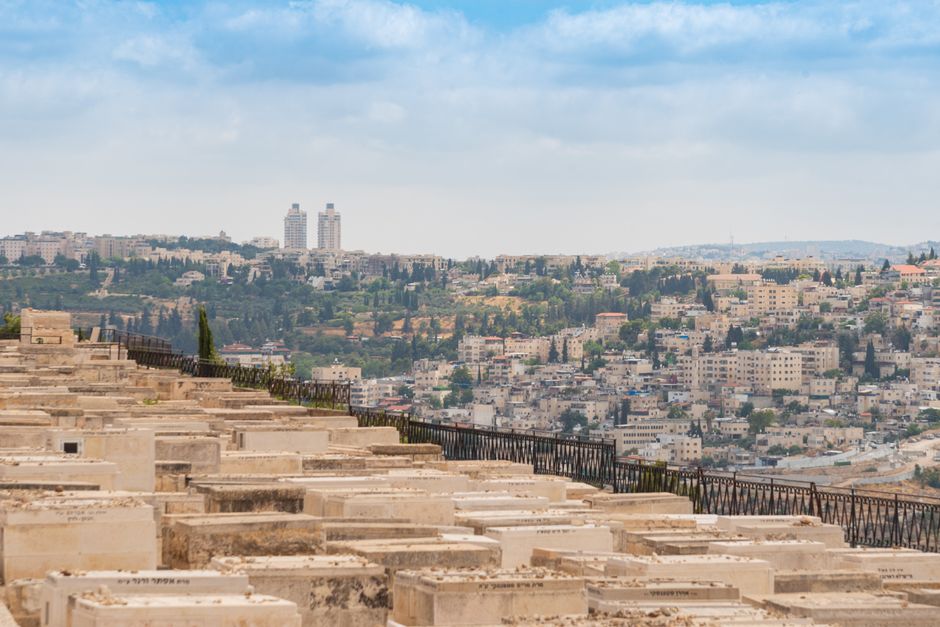
Israel and the West Bank: A New Administrative Frontier
This proposed shift is far more than an administrative reshuffle; it’s a strategic maneuver with profound implications for the future of the West Bank. For decades, the legal framework governing the occupied territories has been military rule, administered by the Israel Defense Forces (IDF). This structure, while controversial, at least acknowledged the temporary nature of the occupation under international law. Moving civilian law enforcement to the police suggests a dangerous normalization.
It essentially extends *Israel*’s domestic civilian legal system deeper into occupied territory, further eroding the distinction between sovereign Israeli land and land held under military occupation. This move comes at a time when the international community’s attention is often diverted, allowing such shifts to happen incrementally. Meanwhile, the reality for Palestinians, who remain under military rule, underscores a stark, unequal legal system. This duality is not new, but this formalization of civilian police jurisdiction for settlers only entrenches it further.
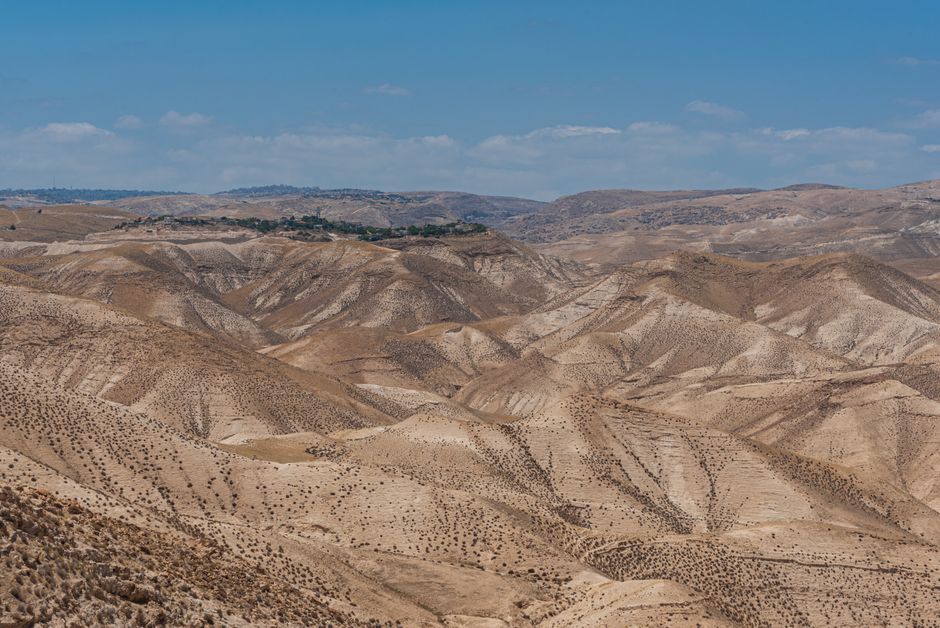
The West Bank has been under Israeli occupation since 1967. Over that time, the expansion of Israeli settlements, deemed illegal under international law, has steadily encroached on Palestinian land. This latest order, therefore, is not an isolated incident but part of a long-term pattern. It feeds into the narrative of de facto annexation, where the legal and administrative architecture is built piece by piece, making any future withdrawal or division of land increasingly difficult, if not impossible. The players are clear: an Israeli government eager to solidify its hold, and a Palestinian leadership desperately trying to preserve any vestige of future statehood.
Annexation by Bureaucracy
Let’s be blunt: this is annexation by bureaucracy, not by declaration. The language of “law enforcement” sounds innocuous, even benign, but the intent is anything but. Who wins in this scenario? Primarily, the hardline elements within the Israeli political establishment who openly advocate for greater integration of the West Bank. Israeli settlers, too, might perceive this as a victory, bringing their legal status more in line with citizens inside pre-1967 *Israel* proper. It provides an illusion of normalcy and stability for them, masking the underlying reality of occupation.

Who loses? The Palestinians, first and foremost. Their hopes for an independent state, already hanging by a thread, become even more tenuous. International law, which explicitly governs the conduct of occupying powers, suffers another blow. The mainstream tends to focus on overt acts of violence or grand political statements. However, the real erosion of peace often happens in the quiet corridors of administrative changes, in the redefinition of legal jurisdictions. This plan is a prime example.
The implications for a two-state solution are dire. Each time *Israel* integrates aspects of the West Bank into its domestic legal and administrative systems, it further diminishes the viability of a contiguous, independent Palestinian state. It creates irreversible facts on the ground, making future negotiations about borders and sovereignty practically moot. While some might argue this move is about efficiency or providing better services to Israeli citizens, the context of occupation cannot be ignored. It’s a fundamental shift in how *Israel* governs, or rather, *claims to govern*, the territory.
The international community, which has long paid lip service to the two-state solution, must recognize this for what it is. This isn’t about mere security concerns; it’s about sovereignty creep. It’s about slowly, methodically, absorbing territory without having to declare full annexation and face the immediate international fallout. The longer the world stands by, observing these incremental changes, the more entrenched the occupation becomes. The question is no longer *if* the West Bank is being annexed, but how many more administrative layers will be added before the illusion of “occupation” collapses entirely. When does a temporary occupation become permanent annexation by stealth?
Source: Guardian Middle East