
Artificial intelligence is the buzzword that keeps investors awake at night, and today it’s also the reason a single stock is defying a tech market that looks more like a graveyard than a growth engine. The Motley Fool points out that this AI‑centric name is not only surviving the sector‑wide sell‑off, it’s actually thriving while its peers limp along.
The report notes that the company’s shares have risen sharply despite a broader decline in technology equities, a pattern that feels almost contrarian in a market that has been punishing anything with a chip in its name. According to The Motley Fool, the stock’s outperformance is driven by a combination of robust earnings guidance and a pipeline of contracts that promise to lock in revenue for years to come. The article also flags a valuation that, while still lofty, appears more justified than the sky‑high multiples that have plagued many AI‑related IPOs.

Why this artificial intelligence stock matters now
The timing of the rally could not be more symbolic. Over the weekend, US policymakers debated the scope of federal subsidies for AI research, while UK regulators hinted at a softer stance on data‑privacy rules that have hamstrung many tech firms. Those political ripples have created a subtle but palpable shift in risk appetite, nudging capital toward companies that look like they can weather regulatory storms. In this environment, the AI firm’s ability to secure long‑term contracts with government agencies and Fortune‑500 customers gives it a moat that many of its competitors lack.
What’s more, the company has been quietly diversifying its product suite, moving beyond pure‑play machine‑learning platforms into sectors such as healthcare diagnostics and autonomous logistics. This diversification reduces its exposure to any single vertical that might be hit by a policy change or a slowdown in corporate spending. As a result, the stock has become a proxy for investors who want a slice of the artificial intelligence boom without the volatility that usually comes with pure‑play startups.
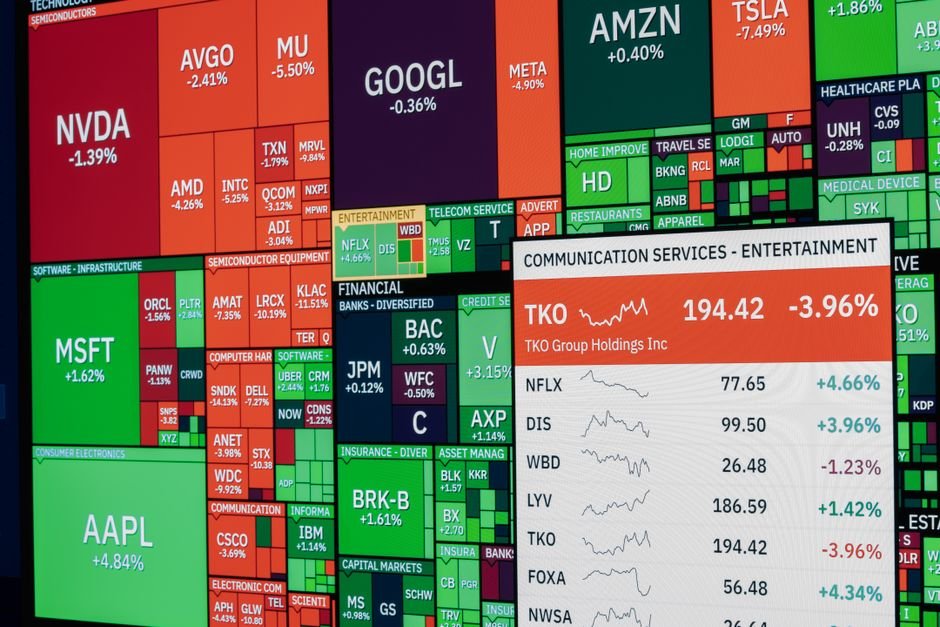
The market’s broader tech slump, meanwhile, has been fueled by concerns over rising interest rates and the lingering effects of a global chip shortage. Those macroheadwinds have forced many investors to re‑evaluate growth‑centric valuations, often to the detriment of companies that rely on future earnings rather than current cash flow. The AI stock in question, however, has managed to post consistent cash‑flow generation, a fact that the Motley Fool highlights as a key differentiator. In a world where “growth at any cost” is increasingly out of fashion, the ability to show money in the bank is a powerful narrative.
The hot take: risk vs reward in the AI frenzy
Let’s cut through the hype and ask the hard question: is this stock a buy, or just another shiny object in a market that loves to worship the next big thing? The answer hinges on three factors: valuation, competitive landscape, and the inevitable regulatory backlash that follows any disruptive technology.

First, the valuation. Even though the stock trades at a premium, it is still cheaper than many of the AI unicorns that went public with sky‑high price‑to‑sales ratios last year. The Motley Fool’s analysis suggests that the current multiple reflects a reasonable discount for the company’s proven ability to monetize its technology. That said, the premium is not a free lunch; any miss on earnings or a slowdown in contract renewals could trigger a rapid correction.
Second, competition. The AI arena is crowded with deep‑pocketed rivals ranging from cloud giants to niche startups. While the company’s diversified portfolio gives it an edge, it also means it must constantly innovate to stay ahead of firms that can pour billions into R&D. The risk here is that a breakthrough from a competitor could erode market share faster than the firm can adapt, especially if that competitor enjoys a strategic partnership with a major hardware provider.
Third, regulation. The political backdrop highlighted earlier is a double‑edged sword. A more permissive stance could unlock new markets, but a sudden clampdown on data usage or AI ethics could impose costly compliance burdens. The Motley Fool warns that investors should keep an eye on legislative developments in both the US and UK, as these could materially affect the company’s growth trajectory.
Balancing those risks against the upside, the stock appears to be a calculated gamble rather than a reckless bet. For investors who can stomach a moderate degree of volatility, the potential upside—driven by expanding AI adoption across industries—outweighs the downside, especially when compared to the broader tech index that is still nursing a post‑boom hangover. However, those who are risk‑averse should remember that any AI play is still a bet on an industry that is, at its core, still in its infancy.
In short, the artificial intelligence sector is no longer a monolith of speculative hype; it is fragmenting into winners and losers, with this particular stock positioned squarely among the former. The market’s current skepticism may even be an advantage, allowing disciplined investors to pick up shares at a price that still reflects growth potential without the inflated exuberance of last year’s IPO frenzy.
If the AI firm continues to deliver solid earnings and expands its foothold in regulated sectors, it could become the benchmark against which other artificial intelligence plays are measured. If, however, it stumbles on execution or gets tangled in regulatory red tape, the same forces that lifted it today could yank it back into the abyss tomorrow. The real test will be whether the company can turn today’s outperformance into a sustainable, long‑term story—or whether it will simply be another flash‑in‑the‑pan that the market forgets once the next hype cycle arrives.
Source: Google — Technology & AI