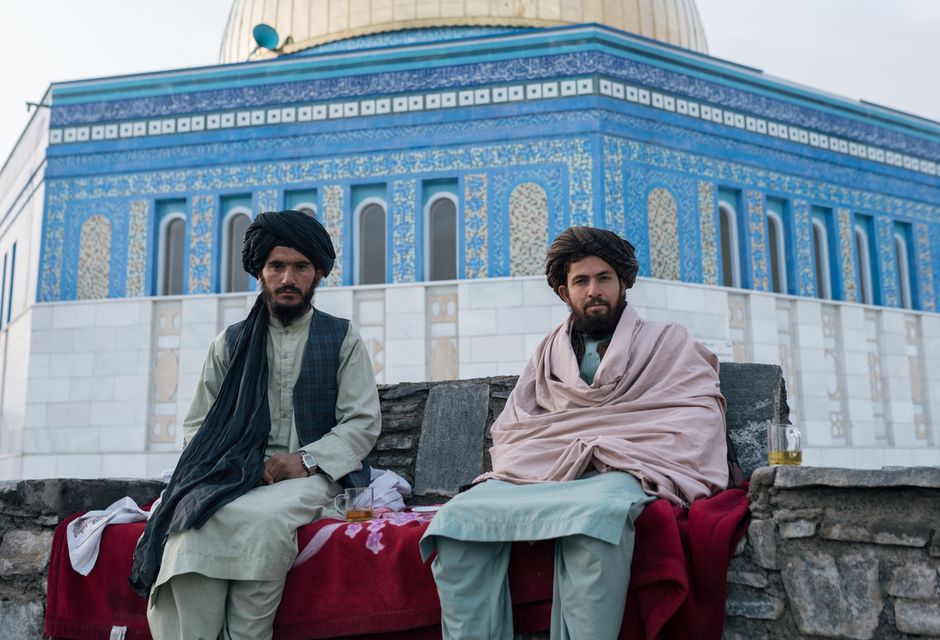
When the Taliban speaks of “peace,” what exactly do they mean? Because for half the population of Afghanistan, it sounds a lot like perpetual war waged against their very existence. This isn’t peace; it’s the grim silence of oppression, a suffocating blanket woven from fundamentalist ideology and enforced with brutal efficiency.
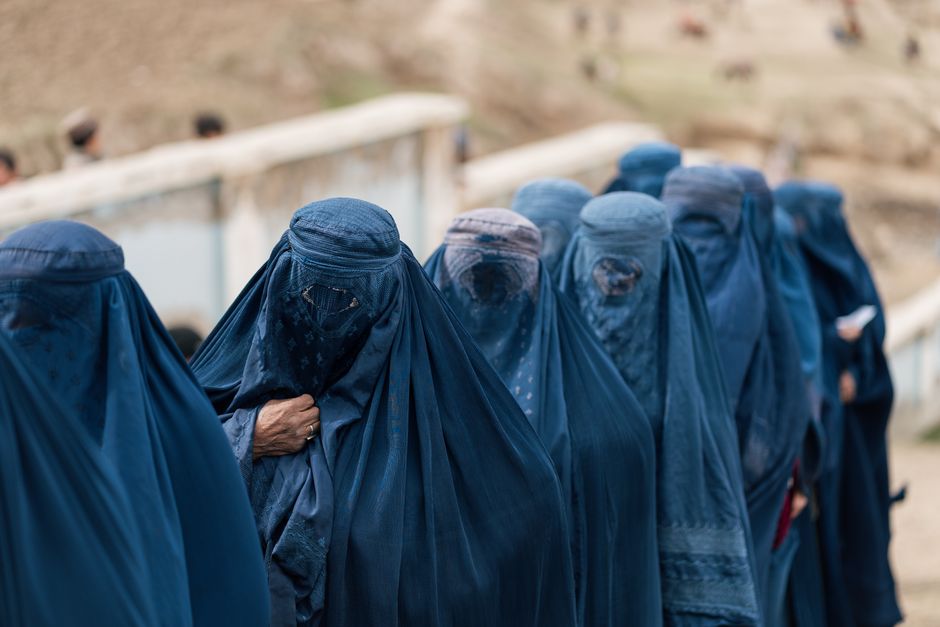
According to The Conversation, the militant Islamist regime has spent the past five years introducing a relentless series of oppressive laws, systematically restricting the fundamental rights and freedoms of women and girls across Afghanistan. While they might tout stability, the cost is staggering, borne almost entirely by those who can least afford it.
The Taliban’s Illusory Peace
The narrative spun by the Taliban leadership attempts to paint a picture of a nation finally free from conflict, united under a singular vision. They claim security has improved, that the chaos of previous decades has been tamed. But this manufactured calm is built upon the systematic subjugation of women, girls, and any dissenting voice. It’s a peace achieved not through consensus or justice, but through absolute control and the chilling elimination of any opposition, real or perceived.
Since their swift takeover in 2021, the Taliban regime has systematically dismantled decades of hard-won progress. Girls have been barred from secondary schools and universities. Women are prohibited from working in most sectors, effectively erasing them from public life. Even their ability to move freely, to access public spaces without a male guardian, has been severely curtailed. These aren’t minor policy adjustments; they are foundational assaults on human dignity, designed to make women invisible and voiceless. The world watches, often with expressions of concern, yet little has fundamentally shifted the Taliban’s trajectory. This is not merely a social issue; it’s a political weapon, used to consolidate power and establish a rigid, unchallengeable order.
Who Pays for This ‘Peace’?
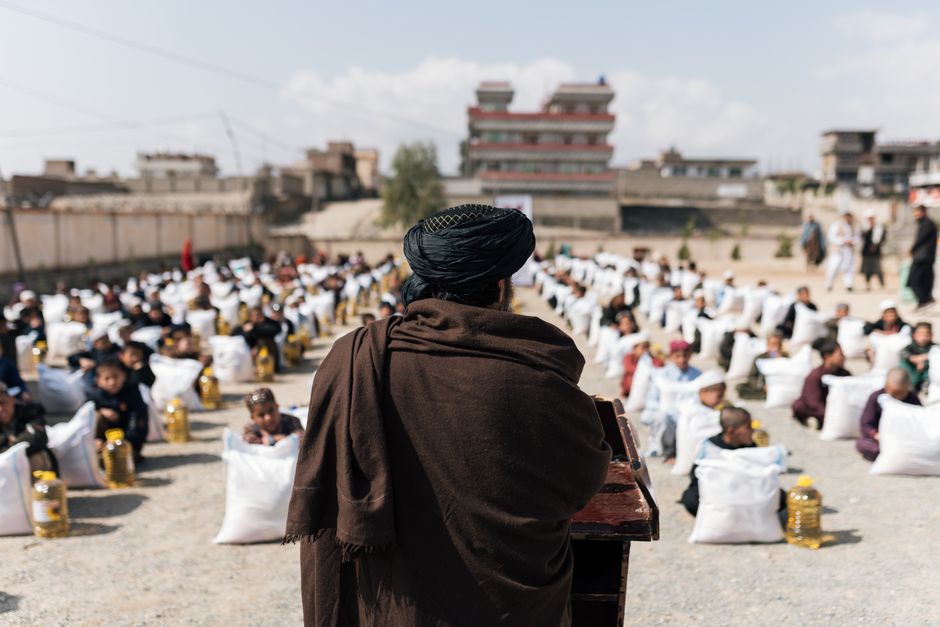
Let’s be blunt: the winners in this equation are the men of the Taliban leadership, who have achieved their ideological goal of an ultra-conservative, patriarchal state. They’ve traded genuine societal stability, which requires the participation and well-being of all citizens, for a tyrannical order that benefits only a select few. The losers, undeniably, are the women and girls of Afghanistan, whose futures have been stolen, whose potential is being squandered, and whose very identities are under attack. They are living under a regime that views them as property, not people.
What the mainstream narrative often misses is the sheer hypocrisy of celebrating “peace” when it comes at such an inhumane price. Can a nation truly be at peace when half its population lives in fear, denied education, healthcare, and basic human rights? This isn’t a peace dividend; it’s a moral bankruptcy. Furthermore, the international community’s muted response, often driven by pragmatic concerns about counter-terrorism or regional stability, inadvertently legitimizes the Taliban’s oppressive rule. To engage with the Taliban without forcefully demanding a reversal of these egregious policies is to tacitly endorse their methods. The long-term implications are dire: a generation of uneducated girls, a country robbed of half its intellectual and economic power, and a dangerous precedent for authoritarian regimes worldwide. This isn’t just an Afghan problem; it’s a global test of our commitment to universal human rights.
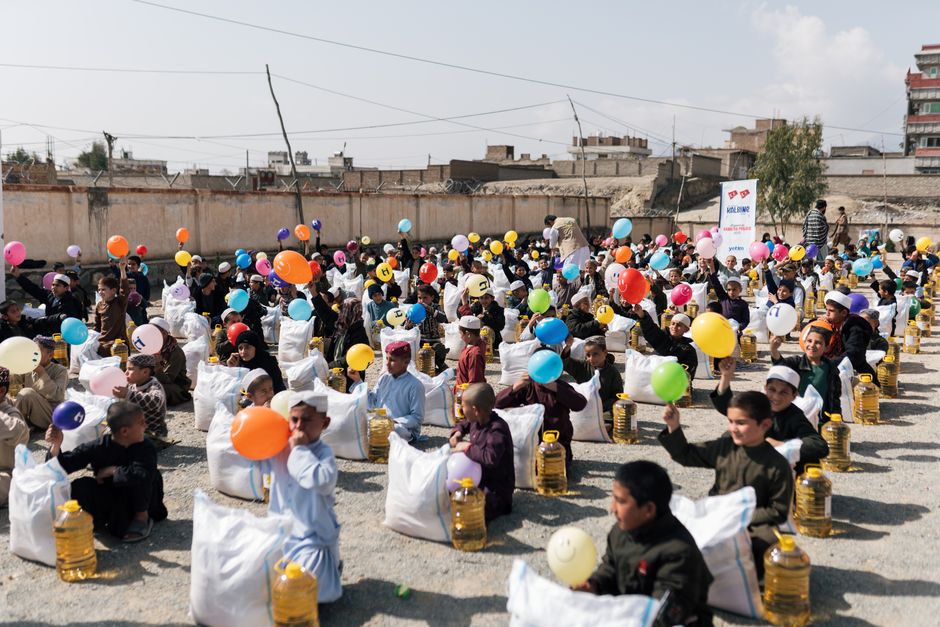
The Taliban has made its choice, prioritizing an archaic vision over human dignity. The real question is: what choice will the rest of the world make in response?
Source: NewsAPI:q