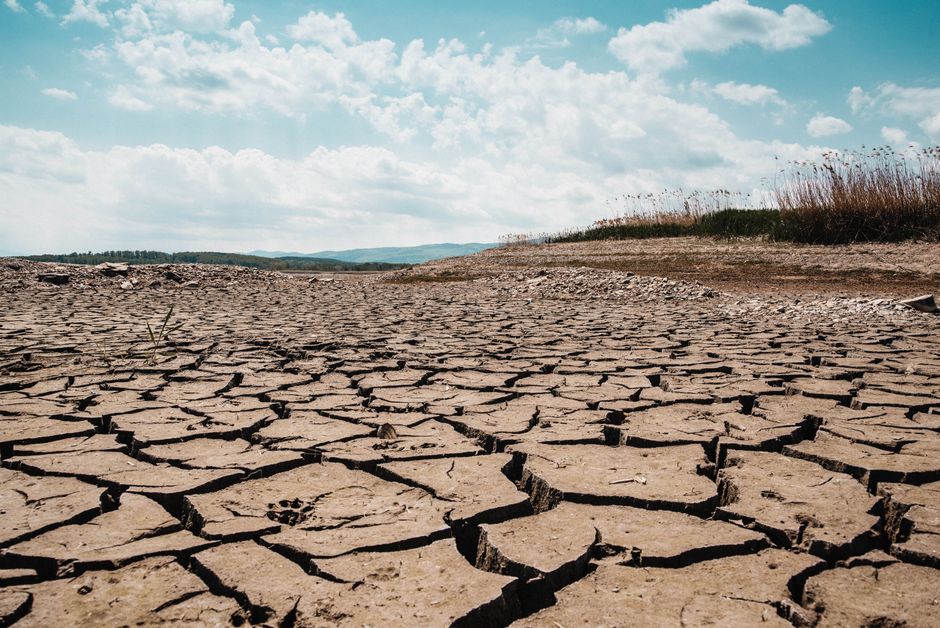
Another Monday is upon us, but the real storm isn’t brewing in the halls of power or on the trading floor; it’s thousands of miles away, in the Pacific, where a **Super El** Niño is gathering unprecedented strength. While pundits debate quarterly earnings and political skirmishes, a meteorological behemoth is shaping up to redefine our winter, and most of us are barely paying attention.
According to a report by severe-weather.eu, this Super El Niño event is accelerating its growth, now forecast to reach record-breaking intensity well ahead of the Fall and Winter of 2026-2027. This isn’t just another weather cycle; it’s a monumental shift in global climate patterns.
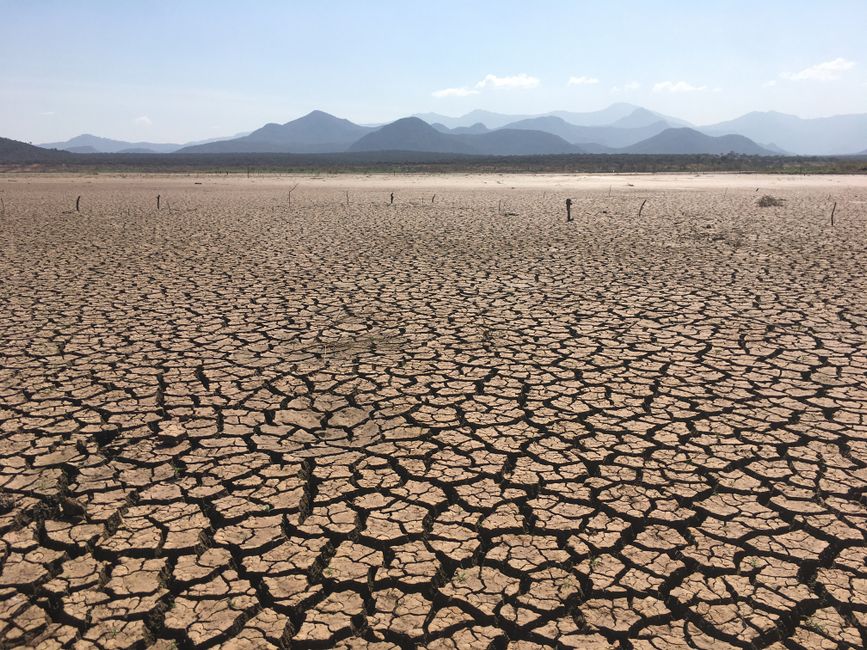
The Looming Shadow of a Super El Phenomenon
For the uninitiated, El Niño is a natural climate pattern characterized by the warming of ocean surface temperatures in the central and eastern tropical Pacific Ocean. It’s a powerful driver of global weather, capable of disrupting everything from rainfall patterns to hurricane activity. A “Super El Niño,” however, signifies an event of extraordinary magnitude, one that pushes the boundaries of historical records and brings with it the potential for extreme and widespread impacts. This isn’t just about a few chilly mornings; it’s about altering the very fabric of global weather systems for months on end.
What does this mean for the week ahead, particularly for politics, technology, and markets? On the political front, the long-term forecasts of such a powerful event should be prompting urgent discussions around disaster preparedness, agricultural subsidies, and international aid. However, the short-term news cycle often overshadows these existential threats. Will politicians move beyond performative posturing to discuss actual resilience strategies, or will they simply react when the floods come and the harvests fail?
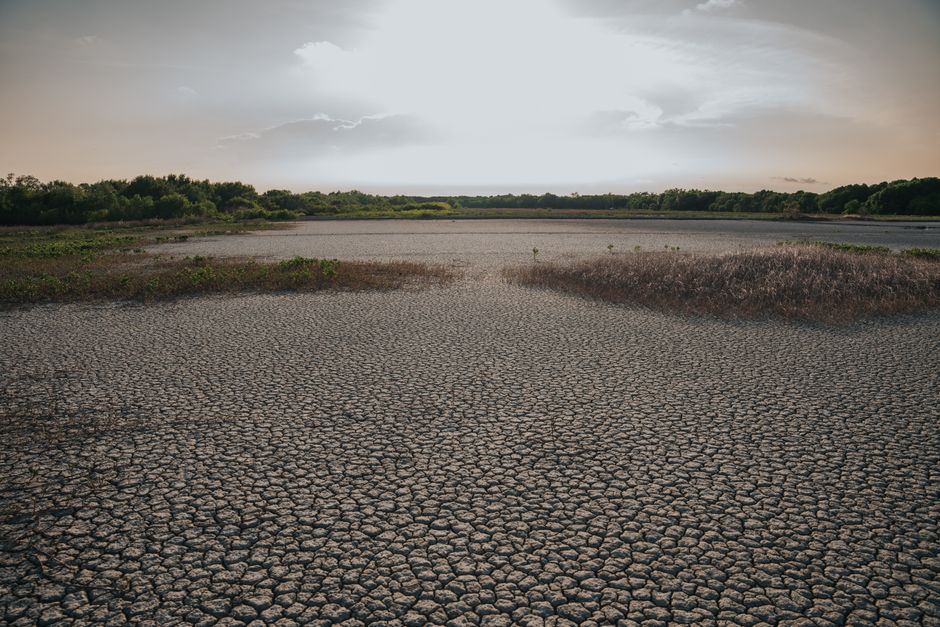
Meanwhile, the technology sector, often hailed as our savior, faces its own reckoning. Can our advanced AI models truly predict the intricate, cascading effects of a record-breaking Super El Niño on global supply chains, energy grids, and food production? Are we leveraging machine learning to optimize resource allocation and early warning systems, or is our “innovation” still largely confined to social media algorithms and consumer gadgets? This impending climate reality exposes the gap between technological capability and collective political will. Markets, always driven by immediate sentiment, seem equally slow to grasp the full implications. Energy prices, commodity futures, and insurance premiums should be reflecting this massive impending shift, yet they often trade on more immediate, human-driven narratives.
The Unheeded Warning and Tomorrow’s Reckoning
Here’s the cold, hard truth: we are being given a generous lead time on a potentially catastrophic event, and the response from power brokers seems tragically inadequate. The focus on a “Super El Niño” should not be a niche meteorological concern; it should be front-page news, driving policy debates and corporate strategy sessions. Instead, the discourse remains fragmented, often lost amidst the daily grind of politics and profit.
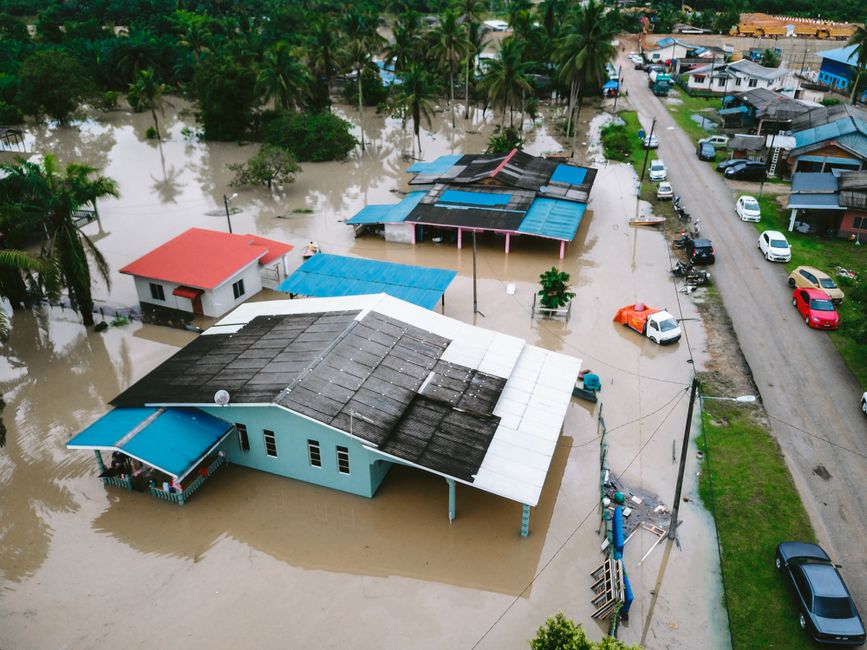
Consider the potential fallout: prolonged droughts in some regions could cripple agricultural output, driving up food prices and exacerbating existing humanitarian crises. Conversely, torrential rains and flooding in others could devastate infrastructure, displace communities, and introduce new public health challenges. The global south, as always, stands to lose the most, despite contributing the least to the climate factors that amplify such events. This disproportionate impact is a political failure, plain and simple.
On the market side, while some opportunistic players in commodities or disaster relief might see short-term gains, the broader economic impact will be one of disruption and volatility. Supply chains, already fragile from recent global shocks, will face renewed pressure. Insurance companies will brace for a deluge of claims, potentially leading to higher premiums for everyone. Where is the proactive investment in resilient infrastructure, guided by cutting-edge AI climate modeling, that should be happening *now*? The technology is there, but the societal will to deploy it at scale against the looming threat of this Super El Niño seems strangely absent.
We have the forecasts, the data, and increasingly, the technological tools to understand and even mitigate some of the worst impacts. Yet, we continue to prioritize short-term gains over long-term survival. As we move into another week, the question isn’t just what the stock market will do, or which politician will trend. It’s whether we, as a global society, will finally heed the warning signs being broadcast by our planet, or if we will simply stumble into a future we were explicitly told was coming.
Source: Hacker News Best