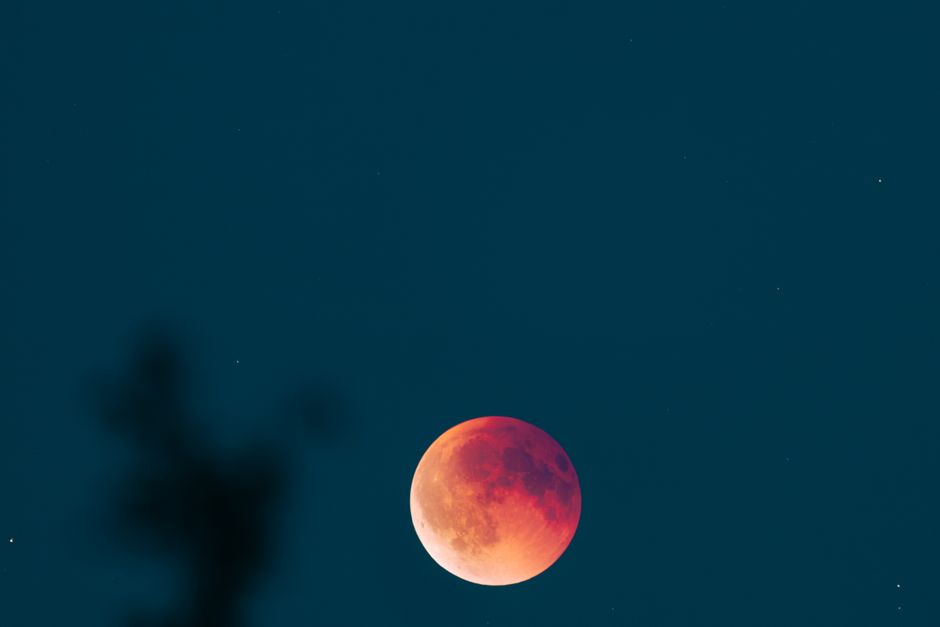
Did you see the *photos*? Millions did, whether directly or through screens, as a total solar eclipse painted the sky across parts of Europe this week. For a fleeting moment, humanity looked up, united by a cosmic ballet. But what exactly did we truly see beyond the spectacle?
According to NPR Science, people across Greenland, Iceland, Spain, and Portugal witnessed the path of totality, enjoying a spectacular sunset effect as the moon momentarily obscured the sun. It was a truly rare and unifying event that swept through the continent.
The Ephemeral Glow of a Total Solar Eclipse
This celestial event, while undeniably magnificent, offers a stark, almost uncomfortable, contrast to the terrestrial chaos we typically inhabit. For a few precious minutes, the world paused its endless scroll and collective bickering. Everyone was looking in the same direction, sharing a sense of awe that transcended borders and political divides. This shared experience stands in sharp relief against the backdrop of our usual fragmented realities.
What led us here? A predictable alignment of cosmic bodies, certainly. However, the human response to such an alignment reveals far more about us than it does about the universe. We crave these moments of universal connection, yet we seem incapable of sustaining them. The sheer scale of the event, visible to millions, created a rare moment of collective consciousness. It was a powerful reminder that there are forces far greater than our petty human squabbles.
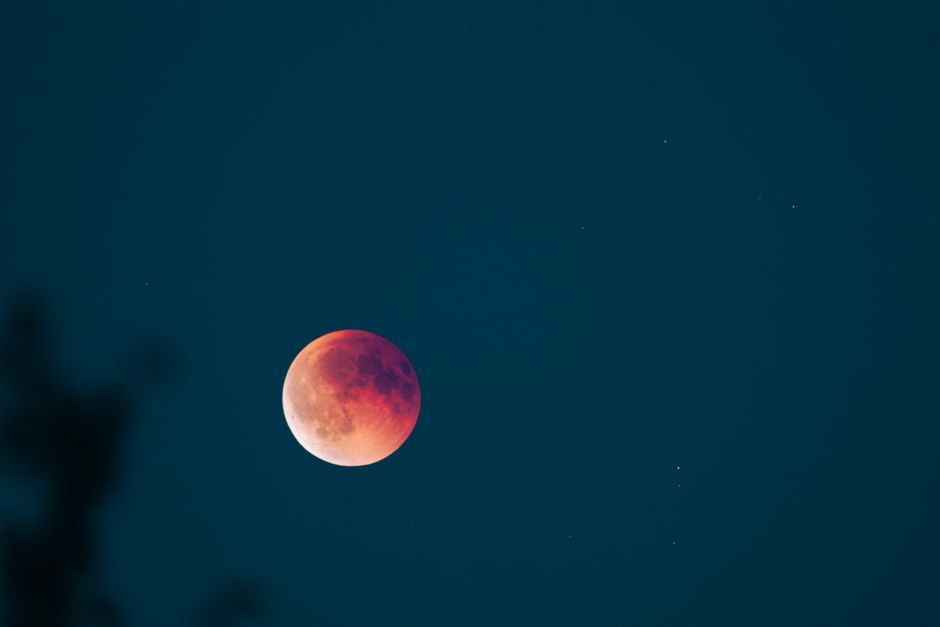
The players in this drama were simple: the sun, the moon, and humanity gazing upwards. Yet, the implications are complex. Did this momentary unity provide a much-needed perspective, or was it merely a beautiful distraction? As the week ahead looms, full of political machinations, market anxieties, and tech tremors, the eclipse feels like a brief, shining interlude before the predictable storm. The collective gasp of wonder quickly fades into the familiar drone of human conflict.
Beyond the Perfect Eclipse Photos
Here’s the raw truth: this stunning astronomical display, while providing an undeniable high, also exposed our modern condition. The immediate rush to capture the perfect *photos* often overshadowed the simple act of experiencing the event itself. How many truly stood in silent contemplation, rather than frantically tapping their phone screens to document a moment that was, by its very nature, transient and uncapturable in its full glory? We’ve become curators of our own experiences, often sacrificing the present for a digital artifact of a past moment.
This isn’t to say the science or the beauty isn’t real. It absolutely is. However, the human reaction often borders on the superficial. We seek validation for our presence at such events through likes and shares, rather than letting the profoundness sink into our souls. The mainstream media, of course, was delighted, offering a feel-good story amidst the usual grim headlines. It’s a temporary reprieve, a collective sigh of relief from the never-ending crises that define our daily news cycle.
Who truly wins in this scenario? Perhaps nature, for reminding us of its immense power and beauty. But for humanity, it’s a mixed bag. We get a fleeting glimpse of unity, a shared breath of wonder, only to plunge back into the divisive realities by Monday morning. The markets will reopen with their usual voracity, politicians will resume their predictable squabbles, and the latest tech breakthroughs, or more likely, privacy scandals, will dominate headlines once more. The eclipse, for all its majesty, is just a cosmic curtain call before the real show of human folly begins anew. It’s almost a cynical joke, isn’t it? That the only thing that can truly unite us is something completely out of our control, something that demands nothing but our gaze.
So, while the *photos* will linger on our feeds, a testament to a breathtaking celestial event, what will truly endure? Will we carry the awe, the unity, and the perspective into the messy human affairs of the coming week? Or will this extraordinary moment simply become another beautiful memory, swiftly eclipsed by the relentless gravity of our own making?
Source: NPR Science