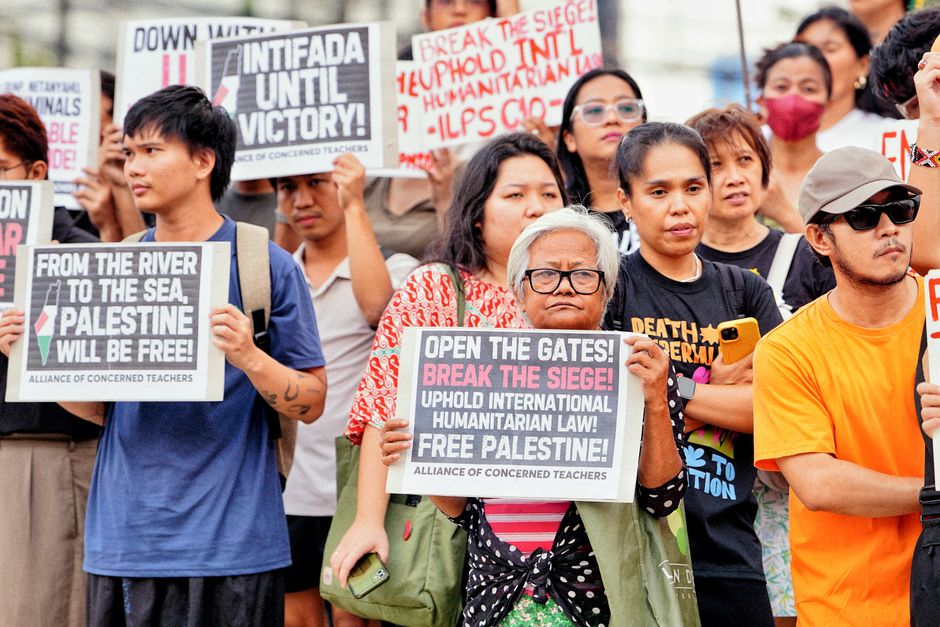
Let’s be honest, how often do we see a local politician from a global metropolis attempt to throw down with an international figure like Benjamin Netanyahu? The spectacle alone is enough to make you wonder if American politics has finally hit peak performative absurdity.
According to BBC Middle East, NYC Mayor Mamdani recently walked back his earlier, rather audacious, threat to arrest Israeli Prime Minister Netanyahu on an International Criminal Court (ICC) warrant. Mamdani, in a quiet concession, acknowledged he simply lacked the legal authority to execute such a warrant. Netanyahu, meanwhile, didn’t miss a beat, quickly accusing the mayor of “fomenting hate.”
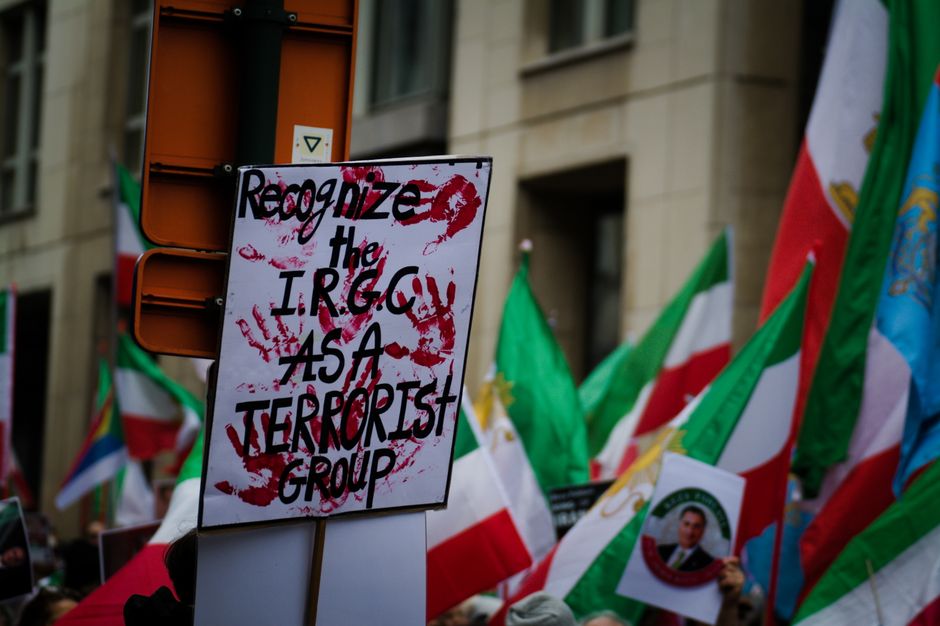
The Enduring Saga of Benjamin Netanyahu
This isn’t just a quirky news item; it’s a sharp-edged snapshot of the ongoing, volatile clash between global legal frameworks and national political realities, especially when figures like **Netanyahu** are involved. The ICC, for its part, has been under intense scrutiny for its pursuit of high-profile cases, often facing resistance from powerful nations, including the United States, which does not recognize the court’s jurisdiction over its citizens or allies. This principled stance, however, becomes complicated when an ally’s leader is accused of serious international crimes.
Mayor Mamdani’s initial threat wasn’t a random outburst. It emerged from a deeply polarized political landscape within the US, where growing segments of the electorate, particularly on the progressive left, are increasingly vocal about international justice and human rights, especially concerning the conflict in the Middle East. For a mayor in a city as diverse and politically charged as New York, taking such a stand could be seen as an appeal to a specific, energized base. It’s a clear signal that the domestic political pressures on US leaders are now inextricably linked to global events. The context here is a world watching the ICC’s relevance tested and local US politicians attempting to leverage global legal instruments to make a domestic point.
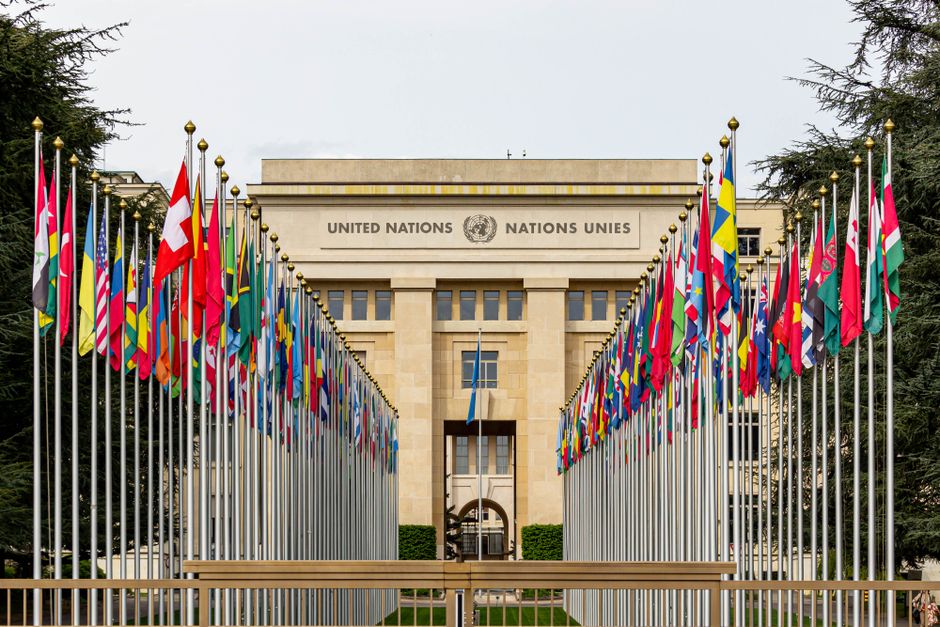
When Local Ambition Meets Global Law
Mamdani’s subsequent retreat from his arrest threat, while legally inevitable, serves as a stark illustration of the chasm between political grandstanding and actual legal power. It exposes the limitations of local authority when it attempts to navigate the labyrinthine world of international law and sovereign immunity. While the gesture undoubtedly resonated with those frustrated by perceived impunity for leaders like **Netanyahu**, it ultimately highlighted the impotence of a municipal office in enforcing warrants from an international body the US government itself doesn’t fully endorse.
Netanyahu’s swift counter-accusation of “fomenting hate” is a well-worn, yet remarkably effective, political maneuver. It swiftly pivots the conversation away from the substance of the ICC warrant – the very real allegations of war crimes – and instead frames the mayor’s actions as malicious, divisive, and anti-Semitic. This tactic works precisely because it taps into existing sensitivities and loyalties, allowing **Netanyahu** to portray himself as a target of political vendettas rather than a leader facing legitimate international scrutiny. It’s a masterclass in deflecting criticism by turning the tables, painting the accuser as the purveyor of animosity.
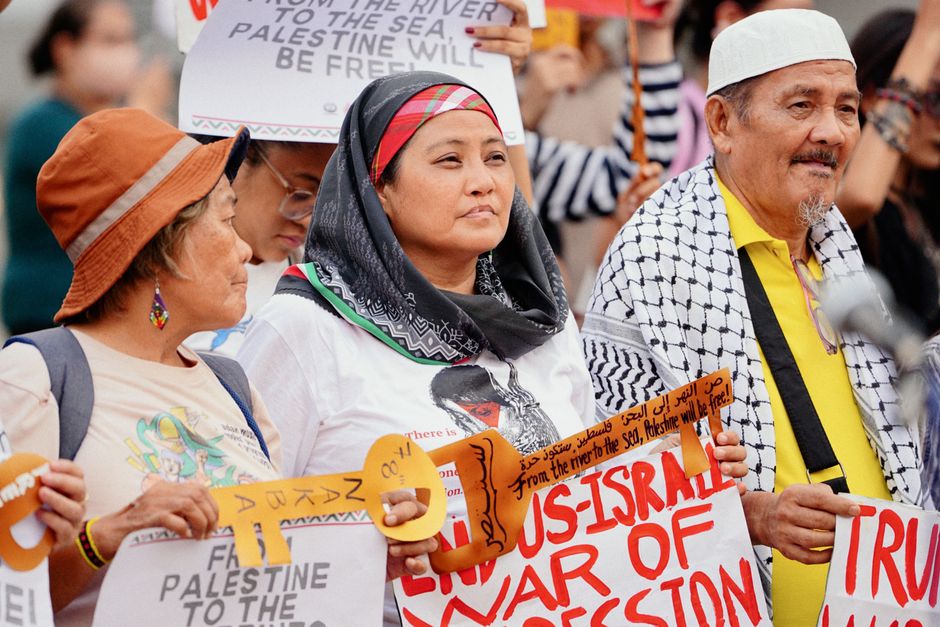
The real winners here are arguably political opportunists on both sides. Mamdani garnered headlines and solidified his progressive bona fides, even if his legal bark proved to have no bite. Netanyahu, on the other hand, got to play the victim, rallying his supporters and dismissing his critics as prejudiced. The losers, however, might be the very ideals of international justice and accountability. When serious allegations are reduced to a game of political hot potato, the credibility of institutions like the ICC suffers, and the path to genuine justice becomes even more obstructed. This incident, therefore, is less about a mayor’s legal blunder and more about the ongoing struggle to hold powerful individuals accountable in an increasingly fragmented and politicized global order.
So, while the headlines might focus on Mamdani’s misstep, the more profound story is how a city hall in New York can become an unexpected arena for the complex, often frustrating, geopolitics surrounding figures like Benjamin Netanyahu. What does it say about our global village when local politicians feel compelled to take on the world’s most embattled leaders, even if their reach far exceeds their grasp?
Source: BBC Middle East