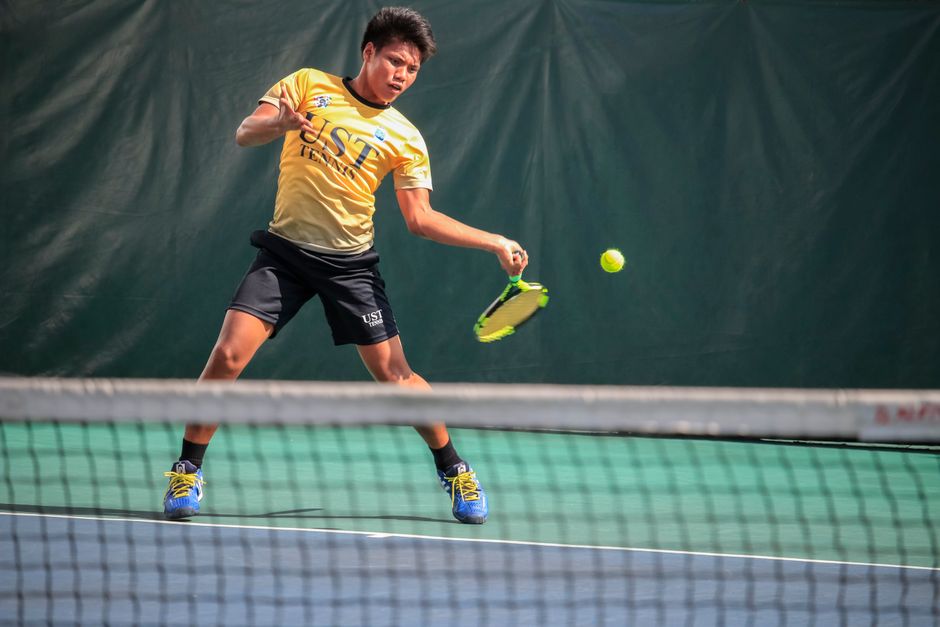
Forget everything you thought you knew about Philippine sports. For decades, the nation’s athletic heart has beaten to the rhythm of basketball dribbles and boxing gloves. But now, a new sound echoes across the archipelago: the powerful *smash* of a tennis racket. This isn’t just about a game; it’s about a tectonic shift in national identity, a challenge to ingrained perceptions, and a powerful symbol of aspiration.
According to BBC Asia, Alex Eala’s remarkable run at Wimbledon has ignited an unprecedented passion for tennis in the Philippines, a sport previously considered the exclusive domain of the elite. Her success has captivated a country historically obsessed with hardcourt hoops and the sweet science of the ring. This isn’t just a fleeting moment; it’s a phenomenon.

Smashing Class Barriers in Filipino Sports
The significance of Eala’s achievements cannot be overstated. For generations, tennis in the Philippines has been synonymous with exclusive clubs, expensive equipment, and a distinctly upper-class aura. It was a sport for those with the privilege to afford it, a world away from the dusty barangay courts where basketball dreams were born, or the gritty gyms that forged boxing champions. Eala, however, represents something entirely different. Her journey isn’t just about athletic prowess; it’s about tearing down those invisible walls.
Her ascent forces a crucial conversation: what defines a national sport? Is it sheer participation numbers, or the ability to produce a global icon? The Philippines has long found solace and pride in its basketball heroes and boxing legends like Manny Pacquiao, who embody rags-to-riches narratives. Eala’s story, while perhaps not mirroring the same hardship, still offers a powerful narrative of ambition and breaking new ground. It challenges the very notion of what a Filipino athlete can achieve on the world stage and in which arenas.
A Cultural Smash: Beyond the Court
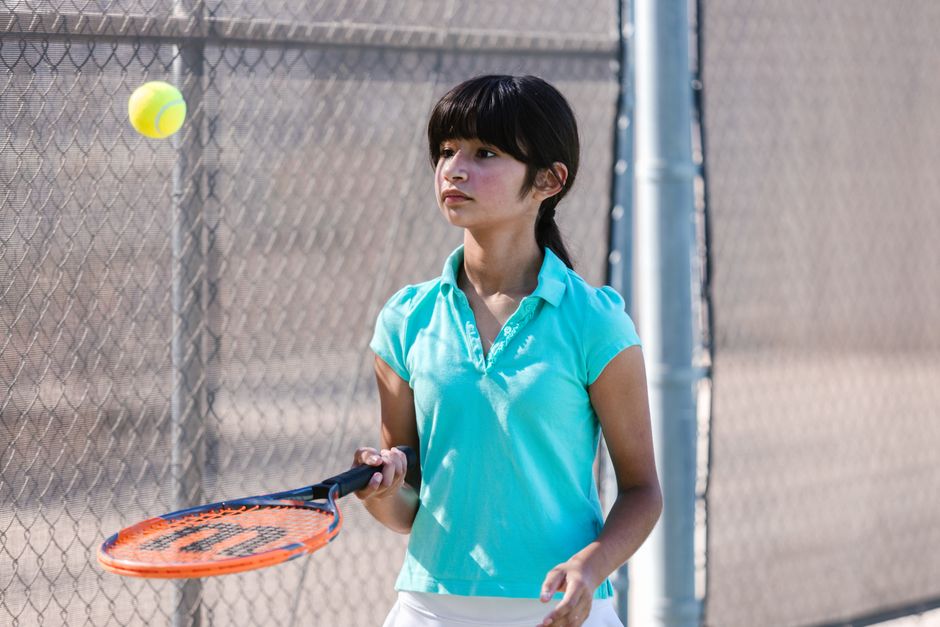
This surge in tennis interest is more than just a passing fad; it’s a cultural *smash*. It represents a broadening of horizons for a nation often pigeonholed by its sporting obsessions. The mainstream narrative often misses the deep psychological impact of seeing a young woman, not a towering male hoopster or a fierce boxer, command international attention. Eala’s success offers a refreshing, perhaps even revolutionary, alternative vision of national glory. It’s a powerful testament to individual excellence in a sport that demands precision, mental fortitude, and grace, rather than just brute strength or aggressive flair.
However, the excitement also throws a harsh spotlight on the existing disparities in sports development. Will this newfound interest translate into genuine, grassroots investment in tennis infrastructure? Or will it remain a spectacular but isolated triumph, with the sport quickly receding back into its elite niche once the immediate glow of Eala’s achievements fades? The challenge lies in democratizing access, ensuring that children from all socio-economic backgrounds have the opportunity to pick up a racket, not just a basketball. Without deliberate policy and funding shifts, this boom could easily bust. It requires more than just hero worship; it demands systemic change.

The real test, therefore, isn’t just about how many kids pick up a racket next week. It’s about whether the establishment—both sporting federations and government bodies—will capitalize on this momentum to diversify sports funding and access. This isn’t merely about creating another champion; it’s about nurturing a generation of athletes with broader aspirations, proving that Filipino talent can indeed *smash* through any barrier, in any sport. The sound of a powerful *smash* on the hallowed courts of Wimbledon has echoed all the way to Manila, and it’s a sound that demands a response. Will the Philippines truly embrace this new direction, or will it let this golden opportunity volley out of bounds?
Source: BBC Asia