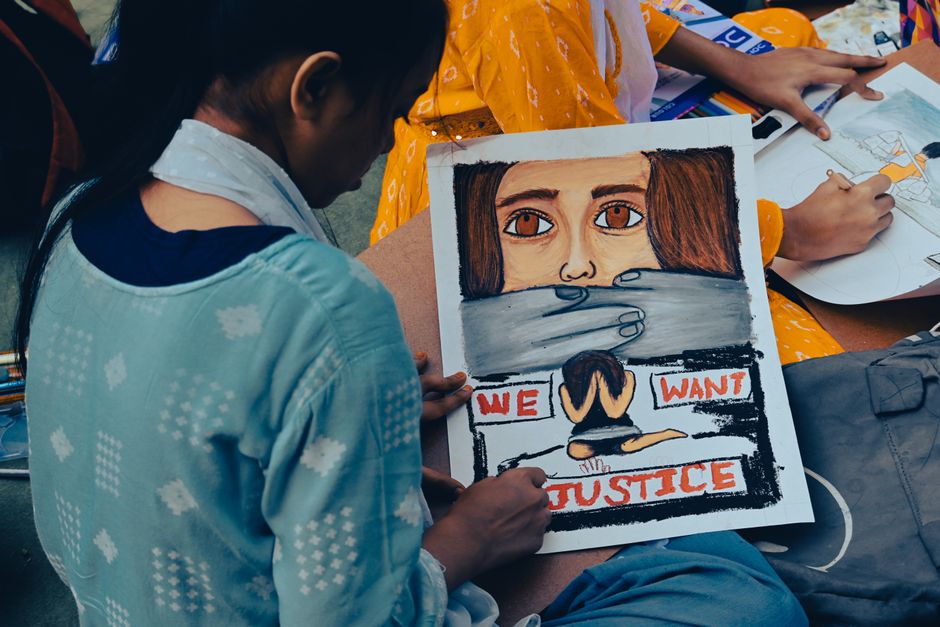
If you thought India’s youth were apathetic, lost in digital distractions, or simply resigned to their fate, think again. The CJP protest isn’t just a flash in the pan; it’s a seismic tremor that has exposed a raw nerve in the world’s most populous democracy, demanding a reckoning for a generation feeling increasingly betrayed by the very system promising them a future.
According to the BBC, what began as a protest against exam paper leaks rapidly escalated into India’s most significant student movement in years, signaling a profound shift in youth engagement. This wasn’t some fringe demonstration; it was a widespread outpouring of frustration that caught many, perhaps even the ruling establishment, completely off guard.
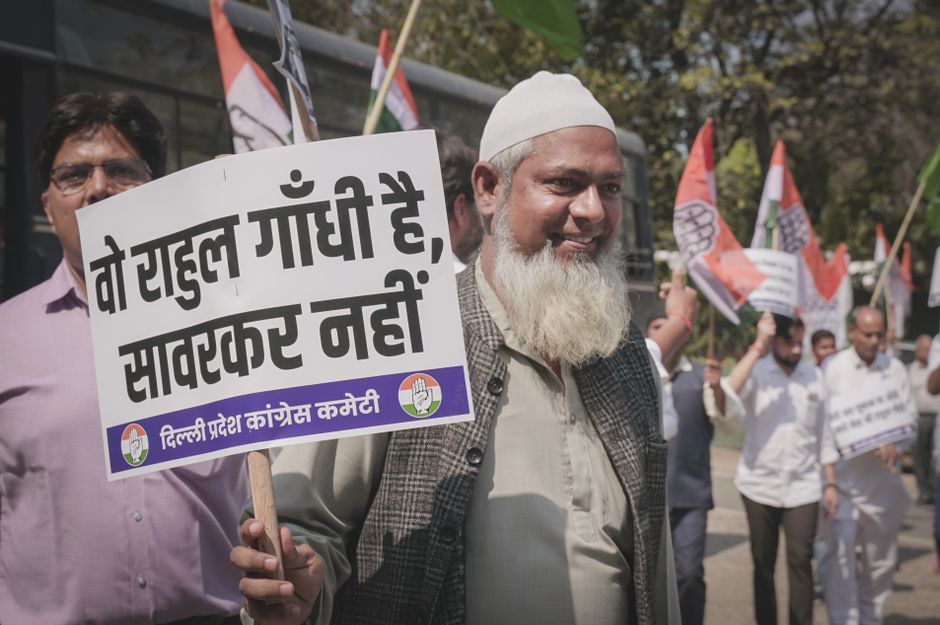
The Shifting Sands of Youth Discontent in India
To understand the CJP protest’s explosive growth, one must look beyond the immediate catalyst of leaked exam papers. This isn’t merely about academic integrity; it’s about a deeper, festering wound of economic anxiety, unemployment, and a pervasive sense that the system is rigged. For millions of young people in India, competitive exams are not just hurdles; they are the sole promised gateway to a stable future, a ticket out of precarity. When those gates are found to be compromised, when merit is seemingly undermined by corruption or incompetence, the social contract itself begins to fray.
This generation, often labeled as beneficiaries of India’s economic rise, is also acutely aware of its challenges. They face fierce competition for scarce jobs, dwindling opportunities in traditional sectors, and a public service system that frequently struggles with efficiency and transparency. The CJP protest therefore taps into a larger crisis of trust in India’s institutions, from the examination boards to the government itself, challenging the narrative of a thriving, upwardly mobile nation. The sheer scale and speed with which these demonstrations spread across the country suggest a latent anger, patiently simmering beneath the surface, waiting for an opportune moment to erupt.
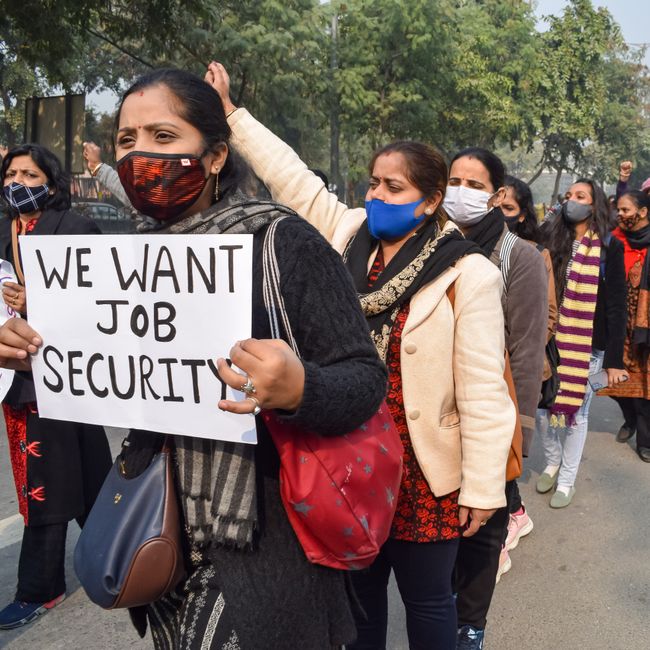
A Reckoning for India’s Political Establishment
This CJP protest isn’t just a blip on the radar for India; it’s a direct challenge to the political status quo, particularly for Prime Minister Modi’s government, which has long prided itself on connecting with the youth. While the government has focused on grand infrastructure projects and a strong national identity, this movement underscores that for a vast segment of the population, fundamental issues of economic opportunity and fairness remain paramount. The optics of widespread student discontent, driven by legitimate grievances, can quickly erode carefully cultivated images of competence and progress.
The mainstream media, often accused of being too deferential to power, initially struggled to frame this burgeoning movement, perhaps underestimating its genuine grassroots power. However, the sheer numbers forced the issue, demonstrating that genuine public anger, when organized and vocal, can cut through even the most controlled information environments. The government now faces a delicate balancing act: a heavy-handed response risks alienating an entire generation, while inaction could be perceived as weakness and further embolden critics. The challenge is not just to address the exam leaks, but to confront the underlying structural issues that fuel such widespread disillusionment. Ignoring these fundamental concerns would be a grave miscalculation, threatening to transform what started as a protest over papers into a broader referendum on governance and the promise of a fair future.
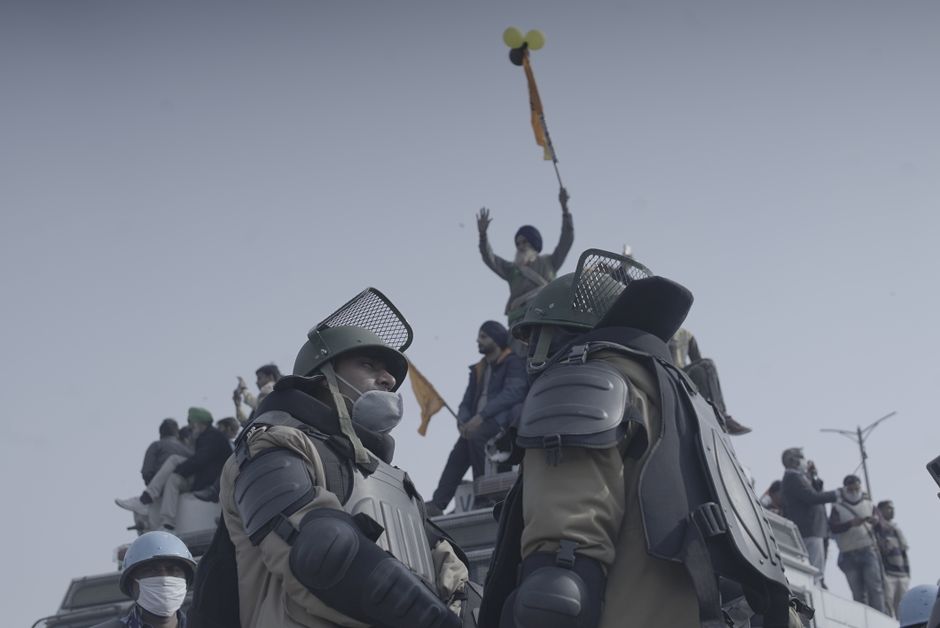
The CJP protest is a stark reminder that beneath the grand narratives and political rhetoric, a generation of young Indians is watching, learning, and ready to demand accountability. They are not merely asking for answers; they are demanding a future that feels earned, not rigged. How the government responds to this genuine outcry will not only define the immediate political landscape but potentially reshape the future of India’s social contract for decades to come.
Source: BBC Asia