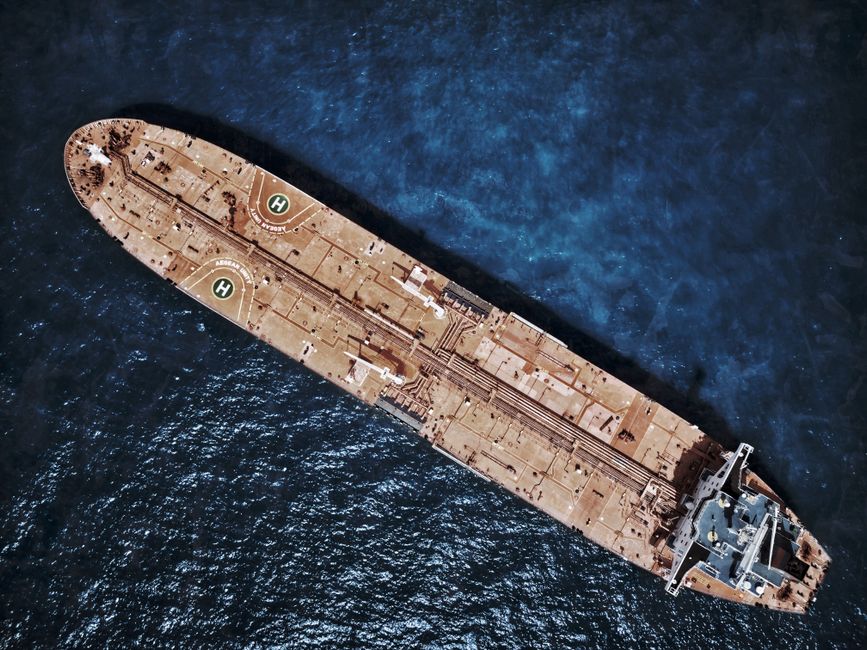
As the world watches the escalating tensions in the Middle East, one group stands out for its brazen attacks: the houthis. With their latest strike on a Saudi tanker, the houthis have once again demonstrated their ability to disrupt the fragile peace in the region. According to BBC Middle East, the Iran-backed group has claimed responsibility for the attack, which is part of their broader “maritime embargo” against Saudi Arabia.
The facts of the attack are stark: the houthis have not only hit the Saudi tanker but also claim to have struck another vessel, as reported by Reuters. This latest escalation comes as the US launches more strikes against Iran, further complicating the already volatile situation.

The Houthis’ Maritime Embargo: A New Front in the Conflict
The houthis’ decision to launch a “maritime embargo” against Saudi Arabia marks a significant escalation in the conflict. This move is likely to have far-reaching consequences, not just for the region but also for global trade and security. The houthis, with their Iranian backing, are seeking to exert pressure on Saudi Arabia and its allies, including the US. However, this strategy is fraught with risk, as it could lead to a wider conflict and destabilize the entire region.
As the situation continues to unfold, it is clear that the houthis are a major player in the region. Their ability to launch attacks on Saudi vessels and claim responsibility with impunity is a testament to their growing strength and influence. However, it is also important to note that the houthis are not a monolithic entity, and their actions are often driven by a complex web of motivations and allegiances.
The Role of the Houthis in Regional Politics
The houthis’ actions are often seen as a proxy for Iranian influence in the region. However, this narrative oversimplifies the complex dynamics at play. The houthis have their own distinct identity and agenda, which is driven by a mix of ideological, sectarian, and nationalist motivations. As the US and its allies seek to counter Iranian influence in the region, they must also contend with the houthis’ own brand of militancy and activism.
In fact, the houthis’ ability to adapt and evolve has allowed them to stay one step ahead of their enemies. From their early days as a ragtag militia to their current status as a formidable force, the houthis have consistently demonstrated their resilience and cunning. However, this adaptability also makes them unpredictable, and their actions can have far-reaching and unintended consequences.

The Human Cost of the Conflict
As the conflict escalates, it is easy to lose sight of the human cost. The houthis’ attacks on Saudi vessels and the subsequent retaliation by the US and its allies have created a cycle of violence that is devastating for civilians. The people of Yemen, in particular, have borne the brunt of the conflict, with thousands displaced, injured, or killed. The humanitarian crisis in Yemen is a stark reminder of the need for a negotiated settlement and an end to the violence.
In the midst of this chaos, the houthis remain a key player, driving the conflict forward with their attacks and their ideology. However, as the situation continues to deteriorate, it is clear that the houthis are not the only ones to blame. The US, Saudi Arabia, and Iran all have a role to play in the conflict, and their actions have contributed to the current impasse.
As we look to the future, it is clear that the houthis will continue to be a major factor in the region. Their influence will shape the course of the conflict, and their actions will have far-reaching consequences. However, it is also important to recognize the complexity of the situation and the need for a nuanced approach. The houthis are not just a terrorist group or a proxy force; they are a symptom of a deeper disease, one that requires a comprehensive and sustained response.
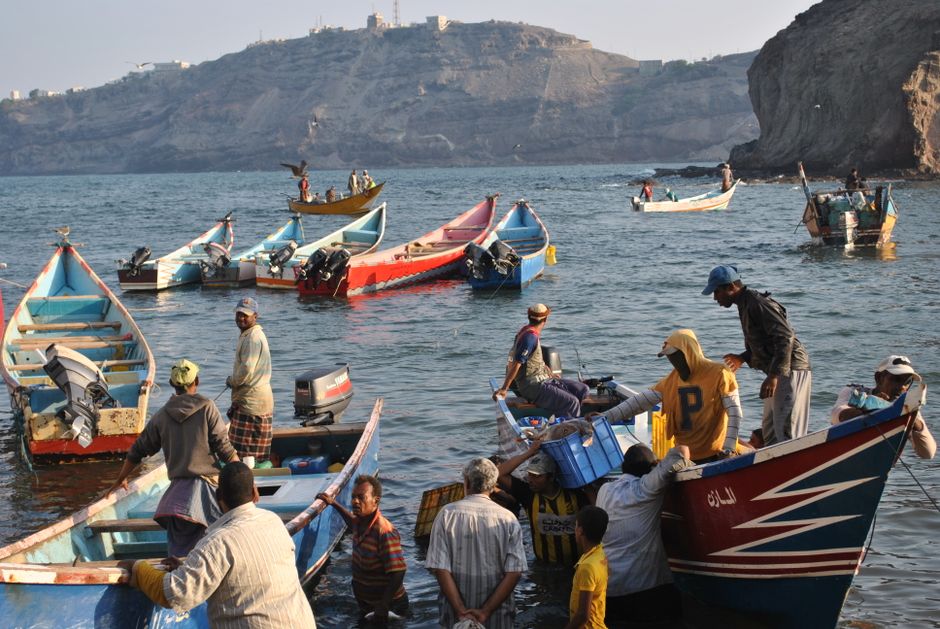
In the end, the conflict in Yemen is a reminder that the Middle East is a region of profound complexity and nuance. The houthis, with their unique blend of ideology and militancy, are just one part of a broader landscape that is shaped by history, culture, and politics. As we seek to understand this conflict and its many players, we must also recognize the need for empathy and compassion, for the people of Yemen and the region are not just pawns in a larger game, but human beings deserving of dignity and respect.
And so, as the fashion world turns its attention to the latest trends and styles, it is worth remembering that there are more profound and lasting struggles taking place in the world. The houthis may not be a household name in the fashion capitals of the world, but their actions have a profound impact on the lives of millions. As we indulge in the lighter side of life, let us not forget the heavier burdens that others bear, and let us strive to create a world that is more just, more compassionate, and more peaceful for all.
However, this is not a call to action, but rather a reminder that even in the midst of conflict and chaos, there is always a way forward, always a glimmer of hope. The houthis may be a major player in the region, but they are not the only ones who can shape the course of history. As we look to the future, let us choose a path that is guided by empathy, compassion, and a deep commitment to human dignity.
In the end, it is up to us to decide what kind of world we want to create, and what kind of future we want to build. The houthis may be a powerful force, but they are not the only ones who can shape the destiny of the region. As we move forward, let us choose a path that is guided by wisdom, justice, and a profound respect for human life.
And so, as the sun sets on another day in the Middle East, let us remember that the houthis are not just a news headline, but a reminder of the profound complexities and challenges that shape our world. Let us strive to create a world that is more just, more peaceful, and more compassionate for all, and let us never forget the human cost of conflict and the enduring power of hope.
The houthis may be a major player in the region, but they are not the only ones who can shape the course of history. As we look to the future, let us choose a path that is guided by empathy, compassion, and a deep commitment to human dignity. The people of Yemen, and the people of the world, deserve nothing less.
In fact, the houthis’ actions are a stark reminder of the need for a more nuanced and comprehensive approach to conflict resolution. The US, Saudi Arabia, and Iran must all recognize their role in the conflict and work towards a negotiated settlement that addresses the root causes of the violence. The houthis, too, must be held accountable for their actions, but they must also be recognized as a legitimate player in the region, with their own distinct identity and agenda.
As we move forward, let us choose a path that is guided by wisdom, justice, and a profound respect for human life. The houthis may be a powerful force, but they are not the only ones who can shape the destiny of the region. The people of Yemen, and the people of the world, deserve a future that is more just, more peaceful, and more compassionate.
And so, let us remember that the houthis are not just a news headline, but a reminder of the profound complexities and challenges that shape our world. Let us strive to create a world that is more just, more peaceful, and more compassionate for all, and let us never forget the human cost of conflict and the enduring power of hope.
The houthis may be a major player in the region, but they are not the only ones who can shape the course of history. As we look to the future, let us choose a path that is guided by empathy, compassion, and a deep commitment to human dignity. The people of Yemen, and the people of the world, deserve nothing less.
However, as we look to the future, it is clear that the houthis will continue to play a major role in the region. Their influence will shape the course of the conflict, and their actions will have far-reaching consequences. The US, Saudi Arabia, and Iran must all recognize the complexity of the situation and work towards a negotiated settlement that addresses the root causes of the violence.
In the end, the conflict in Yemen is a reminder that the Middle East is a region of profound complexity and nuance. The houthis, with their unique blend of ideology and militancy, are just one part of a broader landscape that is shaped by history, culture, and politics. As we seek to understand this conflict and its many players, we must also recognize the need for empathy and compassion, for the people of Yemen and the region are not just pawns in a larger game, but human beings deserving of dignity and respect.
And so, as we move forward, let us choose a path that is guided by wisdom, justice, and a profound respect for human life. The houthis may be a powerful force, but they are not the only ones who can shape the destiny of the region. The people of Yemen, and the people of the world, deserve a future that is more just, more peaceful, and more compassionate.
Let us remember that the houthis are not just a news headline, but a reminder of the profound complexities and challenges that shape our world. Let us strive to create a world that is more just, more peaceful
Source: BBC Middle East