Let’s be blunt: the Middle East isn’t a chess board, it’s a live wire, and sometimes the most explosive moves come from the players least expected to be at the table. So when news breaks about a potential US-Saudi civilian nuclear deal, conditional on Saudi Arabia joining the Abraham Accords, the immediate question isn’t *if* it’s happening, but *whose* game is really being played. And why does former President Trump continue to loom so large over these delicate negotiations?
According to Al Jazeera, the United States and Saudi Arabia have indeed reached a civilian nuclear cooperation deal. However, the report indicates that former President Donald Trump explicitly stated this agreement is contingent upon Saudi Arabia joining the Abraham Accords.
The Geopolitical Chessboard and Trump’s Shadow
This isn’t just another energy deal; it’s a seismic shift in regional power dynamics. The Abraham Accords, brokered during the Trump administration, normalized relations between Israel and several Arab nations, including the UAE, Bahrain, Sudan, and Morocco. Saudi Arabia, the custodian of Islam’s holiest sites and an economic powerhouse, has always been the white whale of these agreements.
For years, Riyadh maintained its stance: no normalization with Israel until a Palestinian state is established. This latest development signals a potential weakening of that long-held position, or at least a significant re-evaluation of its strategic priorities. The allure of advanced nuclear technology, even for civilian purposes, appears to be a powerful sweetener.
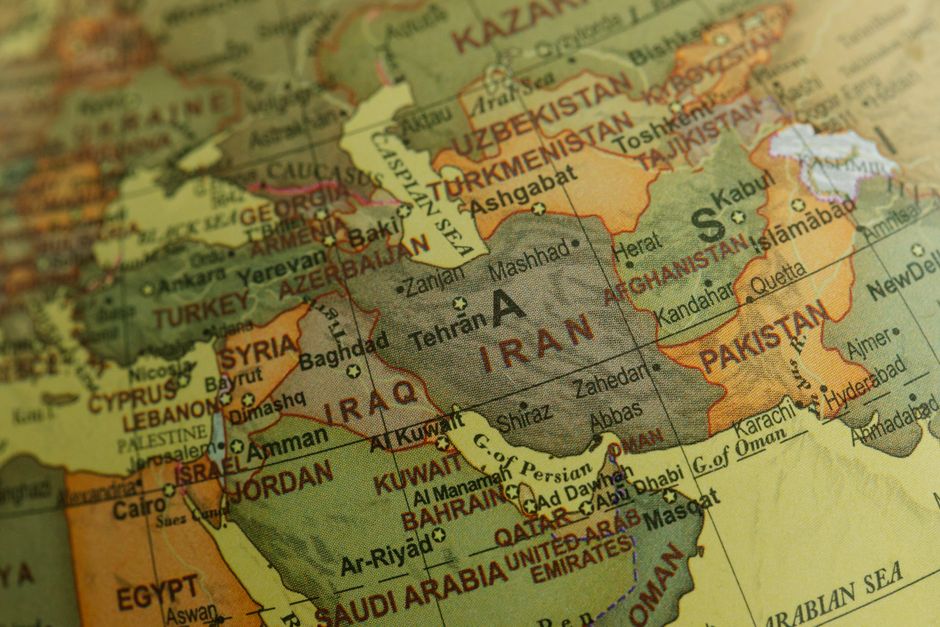
The US, for its part, has long sought to prevent nuclear proliferation in the region while simultaneously strengthening alliances against Iran. A civilian nuclear program for Saudi Arabia, under strict safeguards, could be framed as a way to enhance energy independence. Yet, the implicit threat of a nuclear arms race always looms when such deals are discussed.
This negotiation isn’t happening in a vacuum. Regional tensions are high, with Iran’s nuclear ambitions remaining a constant source of concern. Any deal that enhances Saudi capabilities, even theoretically, has ripple effects across the Gulf. The question of oversight and international inspections will be paramount.
Furthermore, the timing is crucial. With an upcoming US election, the shadow of a potential second Trump presidency looms large over global diplomacy. His past initiatives, like the Abraham Accords, are clearly still influencing current policy, and his public comments hold significant weight, even from outside the White House.
The Price of Peace, Or a Faustian Bargain?
Let’s strip away the diplomatic niceties. This isn’t just about clean energy or regional stability; it’s a colossal gamble with massive geopolitical stakes. For Israel, gaining Saudi recognition would be an historic victory, cementing its regional integration and isolating Iran further. It’s the ultimate prize of the Abraham Accords.
However, the cost is immense. Handing Saudi Arabia a civilian nuclear program, even with safeguards, opens a Pandora’s Box. The line between civilian and military nuclear capability, while technically distinct, can blur quickly under geopolitical pressure. What happens if regional dynamics shift, or a less stable regime takes hold in Riyadh? The risk of nuclear proliferation in an already volatile region is a terrifying prospect.
Then there’s the Palestinian question. For decades, the Arab world, led by Saudi Arabia, linked normalization with Israel to Palestinian statehood. If Riyadh folds on this, what message does it send to the Palestinians? It could further marginalize their cause, leaving them with even less leverage in future negotiations. This isn’t peace; it’s a transactional peace, bought at the expense of a long-standing principle.
And who is truly pulling the strings here? The explicit conditionality articulated by Trump isn’t just a casual remark; it’s a strategic move. It positions him, even out of office, as a kingmaker, shaping the future of Middle East diplomacy. It also suggests that the current US administration might be under pressure to finalize a deal that aligns with the previous administration’s ‘accomplishments’.
This move highlights a dangerous trend where complex geopolitical problems are reduced to transactional bargains. It prioritizes immediate, tangible gains – a nuclear deal for Saudi Arabia, recognition for Israel – over the long-term stability and inherent justice required for true peace. The mainstream media might celebrate a ‘historic breakthrough,’ but we should be asking: a breakthrough for whom, and at what ultimate price?
Furthermore, this deal, if it goes through on these terms, underscores the enduring influence of Trump’s foreign policy vision. It suggests that his brand of deal-making, often criticized for its bluntness and disregard for traditional diplomatic norms, continues to resonate and even dictate the pace of some of the world’s most sensitive negotiations. His shadow stretches long over the region.
So, is this a masterstroke of diplomacy, or a reckless gamble that could destabilize the Middle East for generations? Only time will tell if a nuclear deal, tied to political recognition, is a step towards genuine regional security, or merely a prelude to a far more dangerous future. The world watches, holding its breath.
Source: Al Jazeera