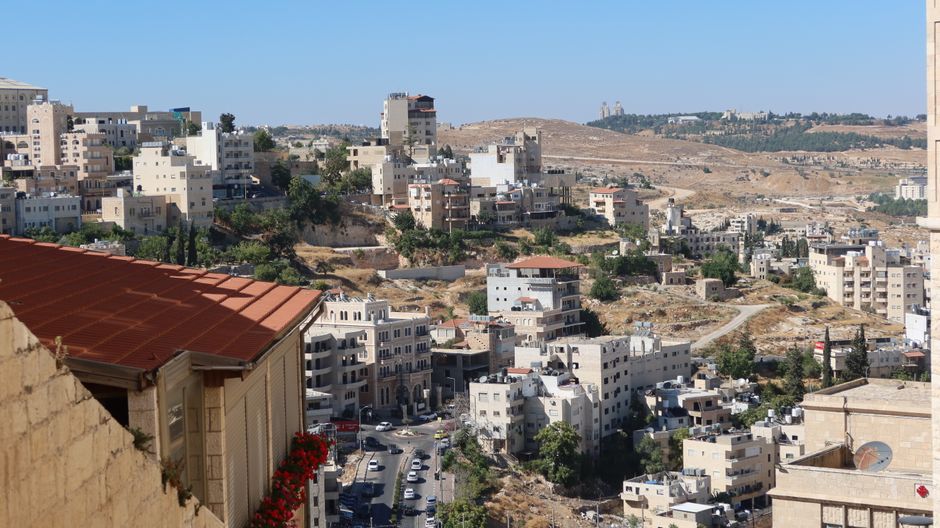
Let’s be brutally honest: when a sitting US Congressman gets detained by armed settlers in the occupied territory of an alleged ally, it’s not a misunderstanding. It’s a stark, uncomfortable truth about the reality on the ground in **Israel** and the West Bank. This isn’t just a diplomatic kerfuffle; it’s a flashing red light for anyone still clinging to the illusion of a controlled, predictable status quo.
According to the BBC, Representative Ro Khanna, a Democrat from California, was held for a chilling 90 minutes by armed Israeli settlers while on a visit to the occupied West Bank. Khanna, 49, recounted the incident, painting a picture of an environment where even high-profile international visitors are not exempt from the volatile dynamics of the region.
The Uncomfortable Truth About Israel’s West Bank
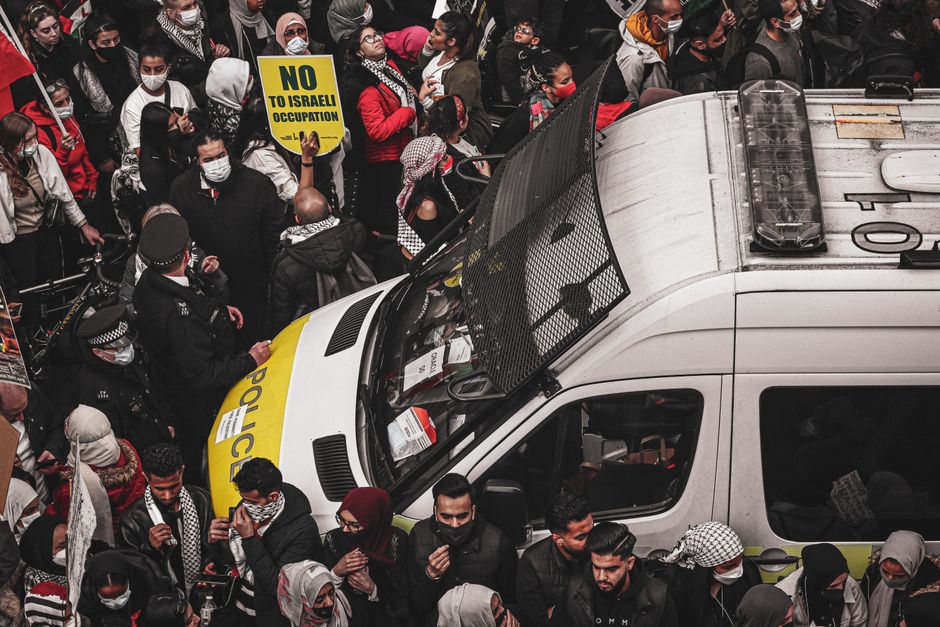
This incident isn’t an isolated anomaly; it’s a symptom of a deeply entrenched problem that the world, and especially the United States, has too often chosen to ignore. The West Bank is not just a disputed territory; it is land under occupation, riddled with illegal settlements that continue to expand, fragmenting Palestinian life and making any viable two-state solution a distant dream. Khanna’s visit itself was meant to offer insight, to build bridges, yet he encountered the very aggression that defines daily existence for millions.
The presence of armed settlers, often operating with a terrifying sense of impunity, is a critical component of this reality. These groups frequently clash with Palestinian residents, sometimes with devastating consequences, and the perception of a lack of robust enforcement by Israeli authorities only fuels their brazenness. This latest event, involving a US lawmaker, pulls back the curtain on a situation that has spiraled beyond mere “dispute” into outright confrontation and control. It forces Washington to confront the uncomfortable truth that its most vital ally in the region, **Israel**, has a significant internal challenge regarding the rule of law in these territories.
The context here is crucial: US aid to Israel, the unwavering diplomatic support, and the delicate balancing act successive American administrations have performed. For years, the narrative has been carefully managed, focusing on security cooperation and shared values. However, incidents like this crack that façade, revealing the friction points and the growing dissent within the Democratic Party itself regarding Israeli policies. Progressive voices like Khanna are increasingly pushing for a reassessment, demanding accountability and a recognition of Palestinian rights. This detention serves as a potent reminder of why those demands are growing louder.
The Stakes for US-Israel Relations
Let’s be clear about the stakes. When a US Congressman is detained by non-state actors operating within a territory effectively controlled by a US ally, it’s a monumental embarrassment for **Israel**. It undermines their claims of democratic governance and highlights a deeply problematic issue of control, or lack thereof, over extremist elements. If an American lawmaker cannot move freely and safely through an area without encountering such aggression, what does that say about the daily lives of ordinary Palestinians, who face these realities constantly? The international community, already wary of the escalating violence, will undoubtedly take note.
This incident also puts the Biden administration in an incredibly awkward position. They champion democratic values and the rule of law, yet here is one of their own being subjected to an apparent extra-legal detention. To simply dismiss this as an isolated event would be to ignore the systemic issues it exposes. It begs the question: will there be accountability? Will the Israeli government take concrete steps to rein in settler vigilantism, especially when it targets foreign dignitaries? Or will this incident, like so many others involving Palestinians, simply fade into the background noise of the ongoing conflict?
The mainstream media often frames these issues as complex, with “both sides” sharing blame. But this particular event cuts through that ambiguity. It’s not about rocket fire or border disputes; it’s about a US official being held against his will by armed civilians in an occupied territory. This has profound implications for the perception of stability and the ability of the US to engage diplomatically in the region. It’s a direct challenge to the notion that Israel maintains effective and lawful control over all areas where it exerts authority. This isn’t just about Khanna; it’s about the rapidly eroding ability of the US to credibly mediate a peace process when its own representatives are subjected to such treatment. The power dynamics are shifting, and the tolerance for unchecked settler activity is diminishing, at least among a significant segment of US policymakers.
This incident, therefore, is not merely a footnote in the ongoing saga of the Middle East. It is a critical inflection point, forcing an uncomfortable spotlight onto the realities of occupation and the emboldened actions of those who seek to solidify it. The question now is not if the US will react, but how forcefully, and whether this will finally be the moment the facade of “complexities” gives way to a demand for accountability from **Israel** itself.
Source: BBC Middle East