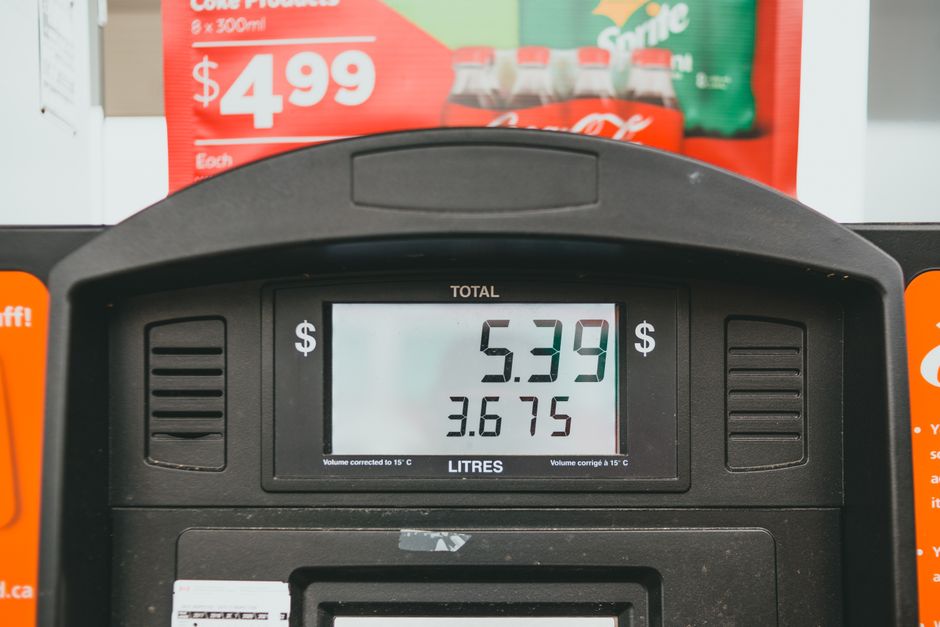
As the world grapples with the volatility of Gas prices, a sudden dip in the US inflation rate has brought a glimmer of hope, but will this respite be short-lived, especially with the renewed conflict brewing in the Middle East? According to BBC Business, the US inflation rate fell in June, largely driven by the decrease in Gas prices. However, this downtrend may not be here to stay, as uncertainties in the Middle East threaten to disrupt the global energy market.
The recent decrease in US inflation is a welcome change, but it is crucial to understand the factors that led to this decline. Reuters reports that the drop in Gas prices has been the primary driver of this decrease, with other factors such as food and housing costs also playing a role. As the global economy continues to navigate the complexities of inflation, the role of Gas prices cannot be overstated.
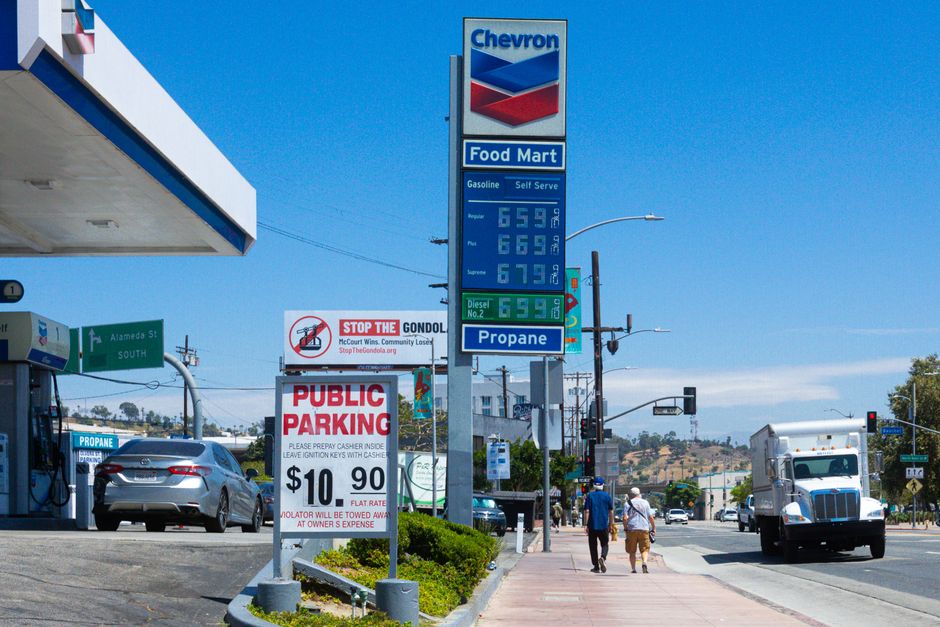
Understanding the Impact of Gas on Inflation
The relationship between Gas prices and inflation is intricate, and the current situation is no exception. With the Middle East being a critical player in the global energy market, any conflict in the region can have far-reaching consequences on Gas prices. The renewed conflict in the Middle East has already sparked concerns over potential price hikes, which could, in turn, increase inflation. As a result, it is essential to consider the broader implications of Gas prices on the global economy, particularly in regions like the Middle East and South Asia, where energy demands are high and economic stability is fragile.
The Middle East, with its vast oil reserves, has long been a significant player in the global energy market. However, the region’s instability has often led to fluctuations in Gas prices, affecting not only the local economy but also the global market. The current conflict has raised concerns over the potential disruption of oil supplies, which could lead to a surge in Gas prices. This, in turn, could have a devastating impact on the already fragile economies of the region, making it challenging for them to recover from the ongoing crisis.
The Gas Conundrum: A Delicate Balance
The decrease in US inflation, driven by lower Gas prices, may be a temporary reprieve, but it also highlights the delicate balance between energy prices and economic stability. The global economy is intricately connected, and a disruption in one region can have far-reaching consequences. As the Middle East continues to grapple with conflict, the world watches with bated breath, wondering how this will affect Gas prices and, subsequently, inflation. The stakes are high, and the mainstream media often overlooks the complexities of the issue, focusing instead on the surface-level implications.
Meanwhile, the US, as a significant consumer of Gas, is closely monitoring the situation, aware that any disruption in the global energy market could lead to increased Gas prices, thereby affecting inflation. The US Federal Reserve has been keeping a close eye on inflation, and the recent dip has provided some breathing room. However, the Fed is also aware that the situation is precarious and that any increase in Gas prices could lead to a surge in inflation, making it challenging to maintain economic stability.
In fact, the impact of Gas prices on inflation is not limited to the US; it has far-reaching consequences for the global economy. As the world’s largest consumer of energy, any disruption in the supply chain can have a ripple effect, leading to increased Gas prices and, subsequently, inflation. The current conflict in the Middle East has raised concerns over the potential disruption of oil supplies, which could lead to a surge in Gas prices, affecting not only the US but also other regions, including the Middle East and South Asia.
On the other hand, some argue that the decrease in Gas prices is a result of increased production and improved efficiency in the energy sector. While this may be true, it is essential to consider the broader implications of Gas prices on the global economy. The current situation is complex, and a thorough analysis of the factors driving Gas prices is necessary to understand the potential consequences of the renewed conflict in the Middle East.
Gas Prices and Regional Stability
The stability of the Middle East is crucial for maintaining a steady supply of Gas, and any disruption can have far-reaching consequences. As the region continues to grapple with conflict, the world watches with concern, aware that the consequences of increased Gas prices could be devastating. The US, as a significant player in the global economy, has a vested interest in maintaining stability in the region, not only to ensure a steady supply of Gas but also to prevent the spread of conflict.
As the situation continues to unfold, one thing is clear: the relationship between Gas prices and inflation is complex, and the current dip in US inflation may be short-lived. The world is holding its breath, waiting to see how the conflict in the Middle East will affect Gas prices and, subsequently, inflation. Meanwhile, the US Federal Reserve and other global economic institutions are closely monitoring the situation, aware that any disruption in the global energy market could have far-reaching consequences.
In conclusion, the decrease in US inflation, driven by lower Gas prices, may be a temporary reprieve, but it highlights the delicate balance between energy prices and economic stability. As the Middle East continues to grapple with conflict, the world watches with concern, wondering how this will affect Gas prices and, subsequently, inflation. The stakes are high, and the mainstream media often overlooks the complexities of the issue, focusing instead on the surface-level implications. Ultimately, the question remains: will the current dip in US inflation be a lasting trend, or will the renewed conflict in the Middle East lead to increased Gas prices, thereby affecting inflation? Only time will tell, but one thing is certain: the world will be watching closely, as the consequences of increased Gas prices could be devastating.
Source: BBC Business