
Who knew a blue blur could carry so much corporate weight? The latest comments from SEGA president Shuji Utsumi offer a candid, if slightly understated, look at the enduring significance of **Sonic** for the venerable publisher.
In an interview reported by MyNintendoNews, Utsumi addressed the central role of the Sonic the Hedgehog series within SEGA’s sprawling portfolio. It’s a conversation that resonates deeply, given the franchise’s often tumultuous journey from 90s icon to a brand that has seen its share of both critical adoration and head-scratching missteps. Yet, through it all, Sonic has remained the company’s undisputed flagship, a testament to its sheer cultural sticking power.

Utsumi’s reflections arrive at a time when legacy gaming brands are under renewed scrutiny, tasked with balancing nostalgia against innovation. For SEGA, this means navigating the expectations of a multi-generational fanbase while simultaneously charting a course that leverages their most recognizable asset without succumbing to the pitfalls of past creative stumbles.
What landed
President Utsumi’s statement that “Sonic kind of exists as a symbol for SEGA” is a refreshing dose of corporate self-awareness. In an industry often prone to hyperbole, this measured acknowledgment feels genuinely grounded. It’s not a boast of unparalleled commercial dominance, nor an over-the-top declaration of world-beating ambition. Instead, it’s an understated recognition of an undeniable truth: for better or worse, the blue hedgehog *is* SEGA in the public imagination.
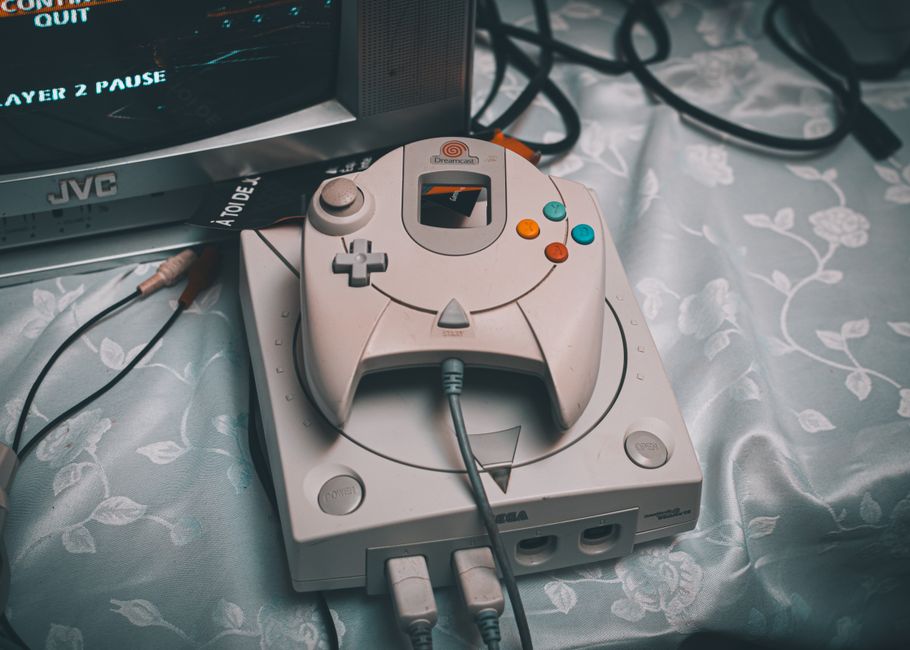
This isn’t merely PR puffery; it’s an encouraging sign that the company understands its brand identity at its most fundamental level. To acknowledge Sonic as a symbol is to recognize the intangible value he brings – the nostalgia, the speed, the irreverent attitude that defined a generation of gaming. Even after decades, and numerous creative iterations, the core essence of Sonic remains inextricably linked to the SEGA name. One could argue it’s a quiet victory for consistency, a nod to the fact that some brand associations are simply too powerful to abandon, regardless of individual product performance. The statement indicates a solid foundation of understanding from the top, which is always a good starting point for future strategy.
What doesn’t add up
While Utsumi’s acknowledgment of Sonic’s symbolic status is welcome, the casual qualifier “kind of” does invite a wry eyebrow raise. Is Sonic merely *kind of* a symbol, or is he *decisively* the symbol? This subtle hesitation, whether intentional or not, leaves room to question the depth of strategic commitment this symbolic status actually entails. The MyNintendoNews report notes the series has endured both “lows and highs,” a diplomatic way of saying there have been significant missteps alongside undeniable successes. If Sonic is truly the symbol, does that symbolism extend to learning from those “lows” with a clear, public roadmap, or is it more of a passive acceptance of an inherited legacy?

The statement, while accurate, feels more like an observation than a declaration of proactive intent. It doesn’t quite articulate *what* SEGA plans to do with this powerful, if somewhat burdened, symbol going forward. Will this symbolic status translate into a renewed push for consistent quality across all Sonic media? Or does it merely underscore an existing reality without hinting at fresh strategic investment to ensure the symbol remains vibrant and relevant for new generations, rather than just “existing” as one? The challenge, perhaps, is not just to acknowledge the symbol, but to actively define what that symbol *means* in the modern gaming landscape, beyond just its historical presence.
Monday morning, this interview won’t revolutionize SEGA’s stock price or instantly deliver a flawless new Sonic title. But it does offer fans a quiet reassurance: their beloved blue blur remains central to the company’s identity, perhaps more so than ever. The stakes now lie in whether SEGA can leverage this deep-seated understanding of its symbolic core to consistently deliver on the promise that symbol represents, transforming a historical observation into a vibrant, future-proof strategic pillar.
Source: OnTheRecord