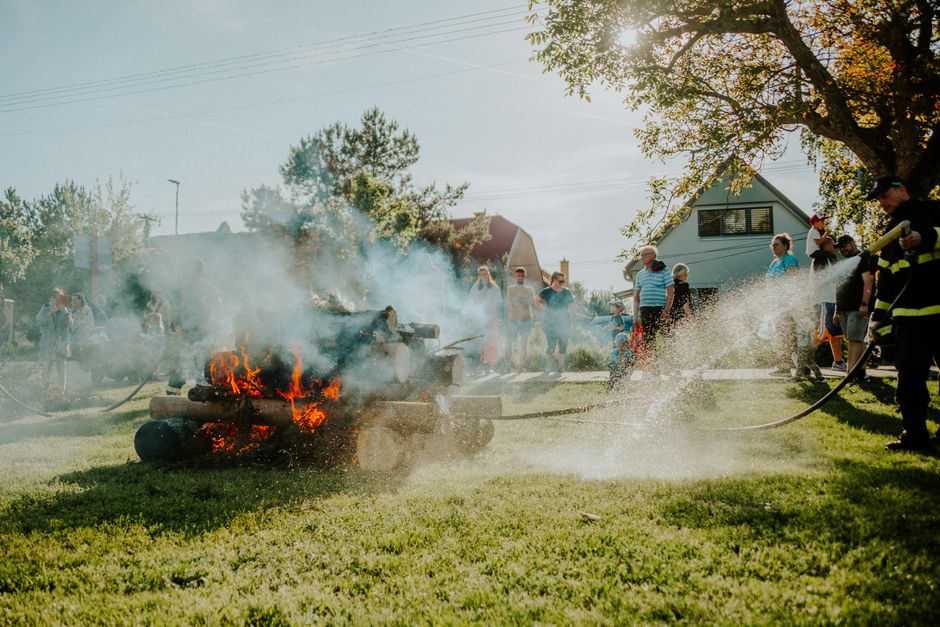
Another July 12th, another deluge of emergency calls, all centered around one terrifying word: Fire. Northern Ireland’s fire service was swamped, fielding over 300 calls in a mere seven hours. This isn’t just a statistic; it’s a flashing red light signaling a predictable annual crisis that demands far more than a shrug.
According to the BBC, firefighters were specifically dispatched to tackle a significant blaze in Greenisland, Carrickfergus. This incident involved a row of terraced houses, two oil tanks, and a shed, illustrating the destructive potential of such events. However, this single incident is merely a pinpoint in a much larger, more combustible landscape.
The Annual Firestorm and Northern Ireland’s July Calendar
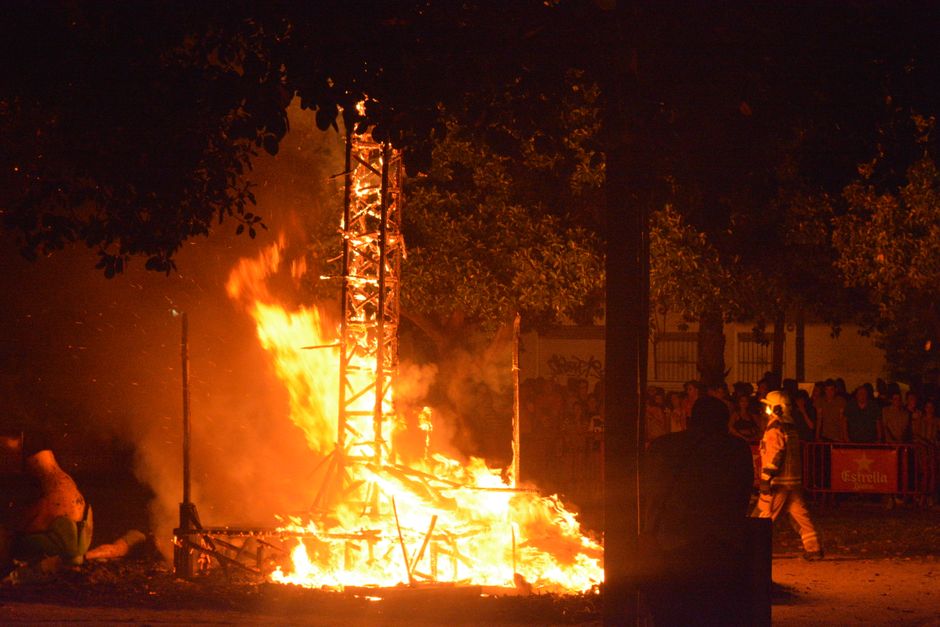
Why does Northern Ireland’s fire service find itself on such an extreme footing on this particular date? The context is critical, and for anyone paying attention, utterly predictable. July 12th marks the culmination of the “Eleventh Night” celebrations, a deeply ingrained annual tradition for many in the unionist community. These celebrations are infamously linked to the construction and lighting of massive bonfires, often reaching several stories high and packed with everything from wooden pallets to old tyres.
These aren’t quaint garden fires. They are colossal, often uncontrolled conflagrations that generate immense heat, dangerous smoke, and volatile fumes. This yearly ritual, steeped in cultural and political symbolism, invariably places an extraordinary and often dangerous burden on emergency services. The sheer volume of fire calls reported by the BBC on this specific date confirms a pattern that has become as much a part of the July calendar as the parades themselves.
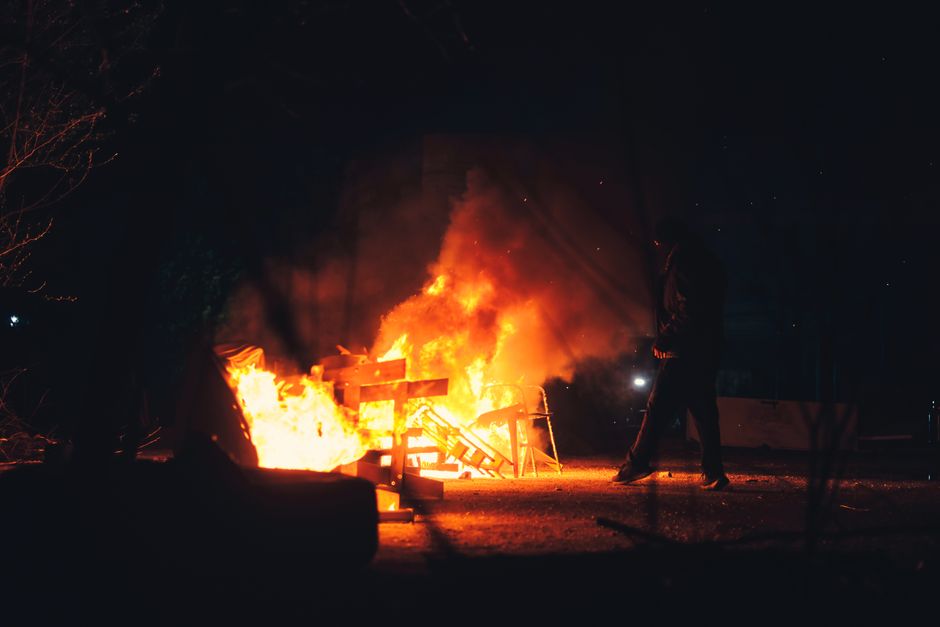
The players are clear: the communities who view these bonfires as a vital expression of identity, and the public services – like the Northern Ireland Fire & Rescue Service (NIFRS) – tasked with mitigating their inherent dangers. Meanwhile, local councils and political leaders often find themselves caught in the crossfire, attempting to balance public safety with deeply held cultural practices, frequently with limited success. This isn’t just about a few rogue incidents; it’s about a systemic, annual challenge that puts lives, property, and the environment at risk.
The Unspoken Costs of Tradition
Let’s be blunt: the annual ritual of massive bonfires, often fueled by dangerous materials, presents a clear and present fire risk that far outweighs any romanticized notion of tradition. What the mainstream commentary often misses is the profound and multi-layered cost of this yearly spectacle. First, there’s the immediate danger to life and property, grimly highlighted by the Greenisland incident where homes and fuel tanks were directly threatened. This isn’t just hypothetical; it’s a tangible, recurring threat.
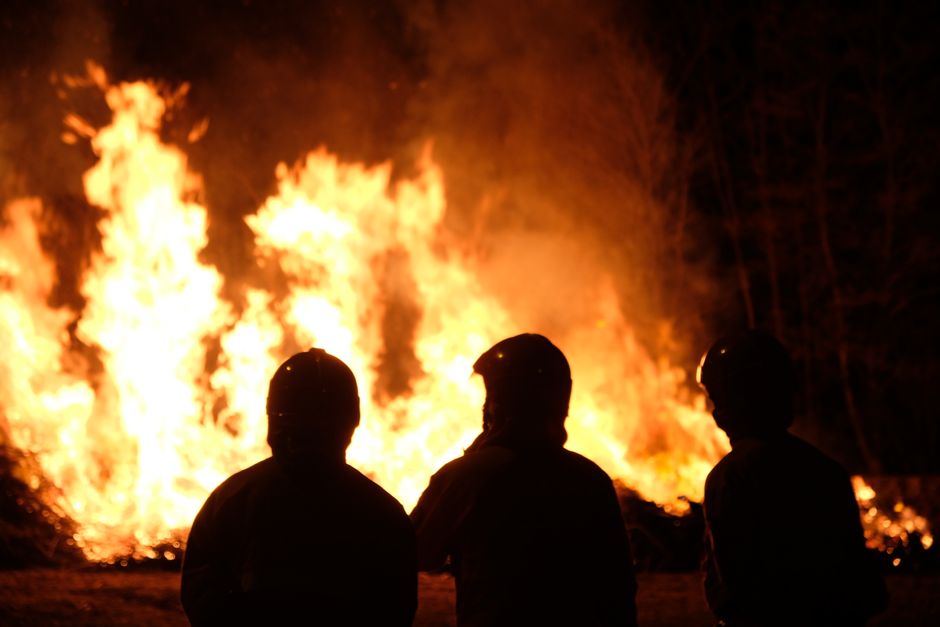
Then consider the strain on public services. Over 300 calls in seven hours isn’t just busy; it’s a system pushed to its absolute breaking point. Every NIFRS crew diverted to a bonfire-related incident is a crew unavailable for genuine emergencies elsewhere. This isn’t a minor inconvenience; it’s a critical depletion of resources that could, and does, have fatal consequences. This also means immense financial costs. The cost of combating these fires, the damage to infrastructure, and the healthcare burden for those affected by smoke inhalation or injuries is staggering. This isn’t just about cultural expression; it’s about a direct tax on every Northern Irish citizen.
Of course, proponents will argue it’s a vital cultural expression, a cornerstone of identity, and that any attempts to regulate or curb them are an attack on their heritage. This perspective cannot be entirely dismissed, as it speaks to deeply felt community bonds and historical narratives. However, at what point does cultural expression become reckless endangerment? When does the right to celebrate override the right to safety, clean air, and an unburdened emergency service? The environmental impact, too, is devastating. Acres of toxic smoke choke the air, contributing to air pollution and posing long-term health risks, especially for vulnerable populations. This annual firestorm leaves a lingering residue long after the flames die down.
The silence from some political corners is deafening. While platitudes about “personal responsibility” are often trotted out, genuine, proactive leadership in addressing this issue remains elusive. There’s a palpable fear of being seen to challenge a powerful cultural narrative, even when that narrative directly results in such widespread public safety and environmental concerns.
This isn’t about extinguishing culture; it’s about evolving it responsibly. It’s about finding expressions of identity that don’t simultaneously threaten homes, health, and public services. The events of July 12th are not anomalies; they are symptoms of a deeper societal challenge that Northern Ireland grapples with every year. When will the political will ignite to address this yearly firestorm with the seriousness it deserves?
Source: BBC UK