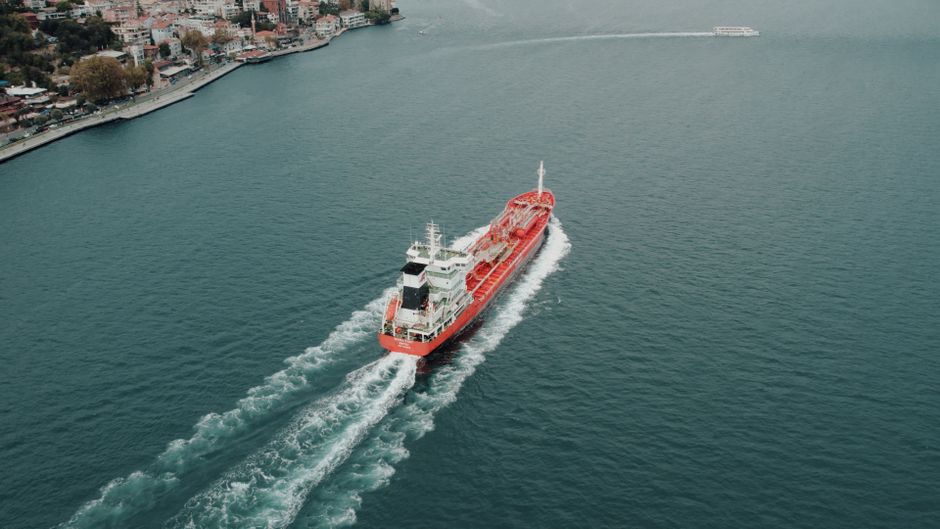
When Iran declares the Strait of Hormuz closed, and the United States immediately counters that it remains open, we are not just witnessing a diplomatic spat. We are watching a dangerous game of geopolitical chicken playing out in real-time, with global energy markets and regional stability hanging in the balance. This isn’t merely posturing; it’s a direct challenge to international maritime law and a test of wills with potentially catastrophic implications.
According to BBC Middle East, Iranian forces recently asserted the Strait of Hormuz was shut down, a claim swiftly followed by wide-ranging attacks targeting US allies and military bases across the region. Meanwhile, the US has unequivocally insisted that the critical waterway remains open for international navigation.
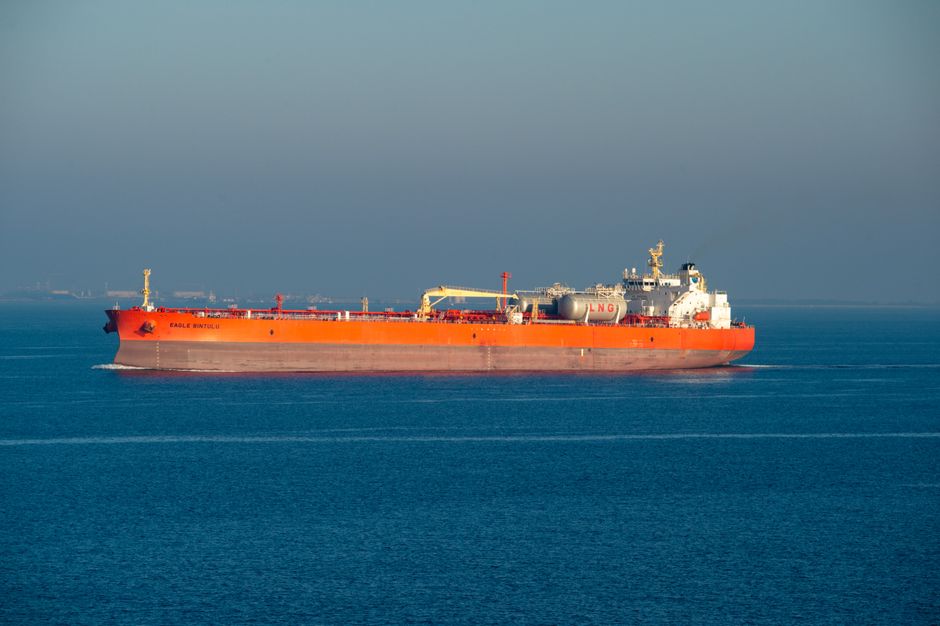
The Chokehold of Iran and the Strait of Hormuz
This latest escalation didn’t just appear out of thin air. It’s the culmination of decades of simmering tensions, punctured by periodic flare-ups that often revolve around this singular, strategic bottleneck. The Strait of Hormuz, a narrow passage between the Persian Gulf and the Gulf of Oman, is not just another body of water; it is the world’s most important oil transit choke point. Roughly one-fifth of global oil consumption, alongside significant volumes of liquefied natural gas, passes through its waters every single day. For nations like the US and its Western allies, ensuring its free passage is a cornerstone of global economic stability and national security.
Therefore, when Iran, strategically positioned on the northern shore of the Strait, makes such a declaration, it’s a direct threat to the global economy. Tehran has long leveraged this geographical advantage, often using the threat of closure as a bargaining chip or a retaliatory measure against sanctions or perceived aggression. This current episode follows a pattern of increasing aggression, with Iran frequently testing regional boundaries through proxy groups and direct military actions against shipping or infrastructure belonging to rivals. The attacks on US allies and bases underscore a willingness to expand the conflict beyond mere rhetoric, raising the stakes considerably for everyone involved.
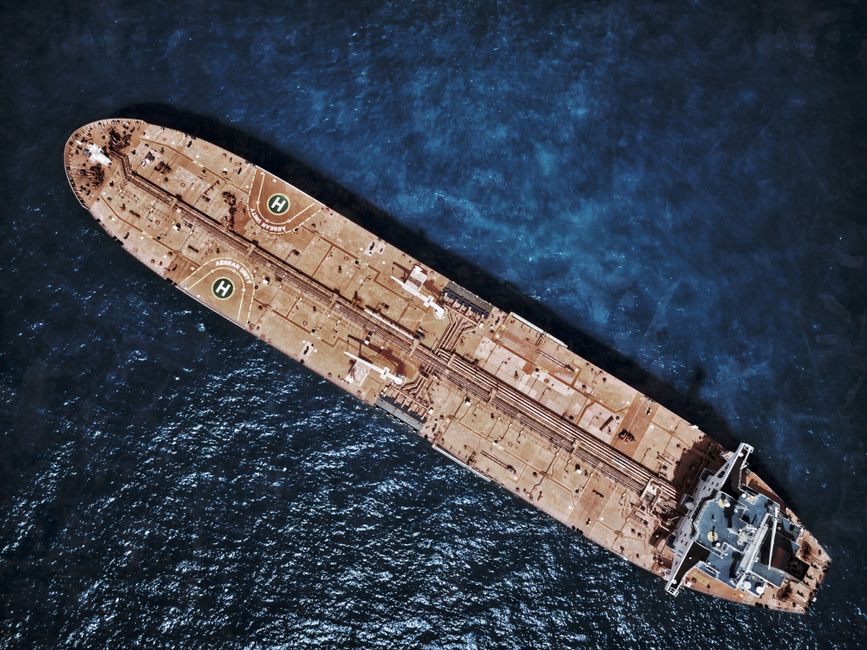
The Dangerous Game of Brinkmanship
The US assertion that the Strait is open isn’t just a statement of fact; it’s a declaration of intent, a commitment to maintain freedom of navigation, by force if necessary. This isn’t an idle threat from Washington; the US Fifth Fleet is permanently stationed in Bahrain, explicitly tasked with protecting these vital waterways. However, Iran’s actions suggest a calculated risk, pushing the envelope to see how far the international community, and particularly the US, is willing to go. They understand that a complete closure, even for a short period, would send shockwaves through global energy markets, spiking oil prices and potentially triggering a worldwide recession.
So, who wins here? In the immediate term, no one. The global economy is held hostage by the uncertainty, and regional stability is further eroded. Iran gains a temporary, albeit dangerous, increase in leverage, demonstrating its capacity to disrupt global trade. However, this comes at a steep cost, inviting further isolation and potentially direct confrontation. The mainstream narrative often focuses on the immediate military exchange, missing the deeper economic and political calculations at play. This isn’t just about ships and missiles; it’s about the very architecture of global trade and the limits of international power projection.
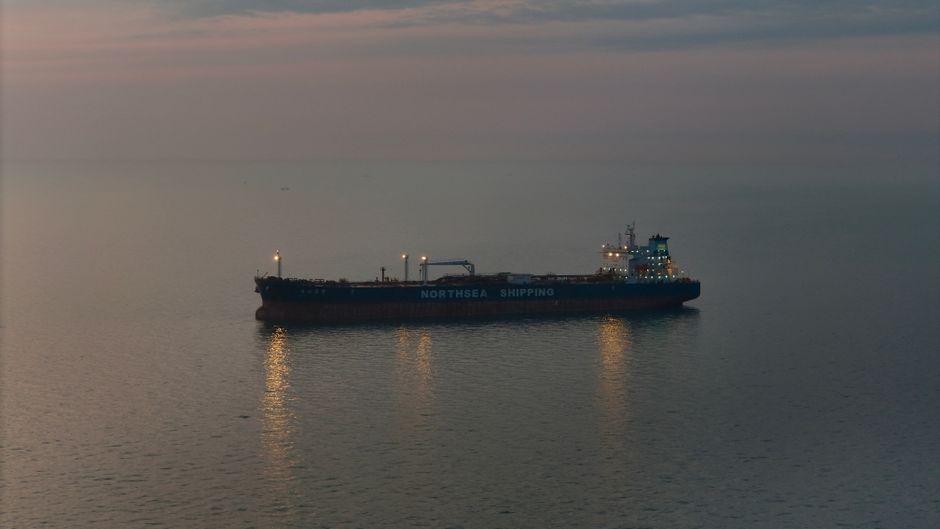
The US, on the other hand, is caught in a difficult position. Responding too aggressively risks igniting a wider conflict, while appearing weak could embolden Iran to escalate further. This delicate dance of deterrence and de-escalation is fraught with peril. The ultimate loser, as always, will be the regional populations who bear the brunt of such instability, alongside the global consumer who will inevitably pay more at the pump. The crucial question isn’t whether the Strait *is* open, but for how long the world can afford to live under the shadow of its potential closure.
Source: BBC Middle East