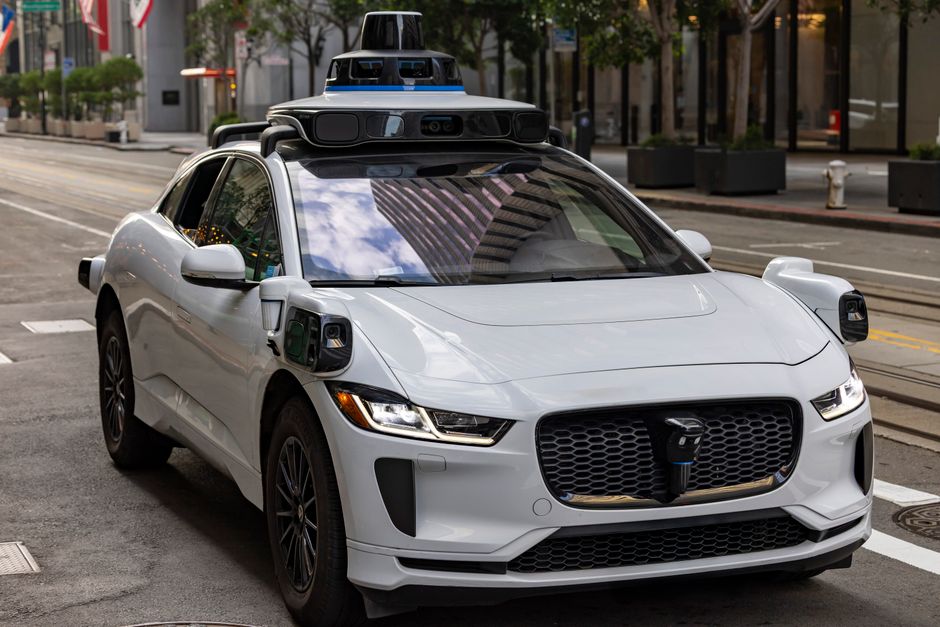
The world just got used to the idea of China dominating the electric vehicle market, a swift, almost brutal takeover built on strategic industrial policy and an unmatched supply chain. But before we’ve even fully processed that seismic shift, a new challenge looms on the horizon: **Can China** repeat its spectacular EV success, this time with robotaxis, reshaping urban transport globally? The signs suggest we might be witnessing the opening act of another audacious play.
According to BBC Asia, Chinese self-driving car firms are now strategically leveraging the country’s robust EV supply chain to fuel their global expansion in the nascent robotaxi market. This isn’t just about cars; it’s about data, infrastructure, and ultimately, control over the future of mobility.
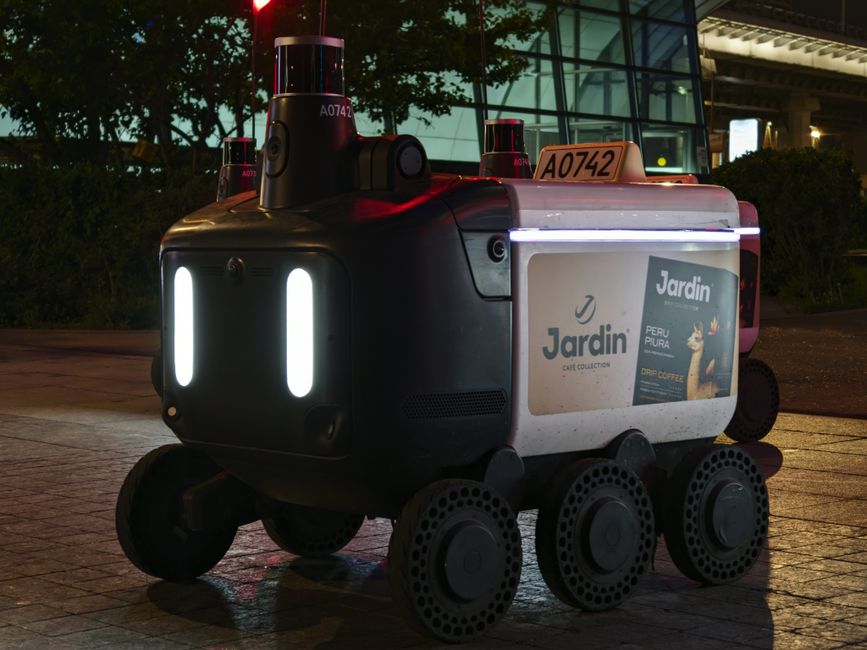
The Global Race: Can China Repeat Its EV Playbook?
This isn’t merely an incremental step; it’s a calculated leap, directly applying lessons learned and infrastructure built from the EV revolution. China’s deep integration of battery production, rare earth processing, and sophisticated manufacturing for EVs provides an unparalleled foundation. This synergy means lower costs, faster iteration, and a more streamlined path from development to deployment for autonomous vehicles. Western rivals, often hampered by fragmented supply chains and a patchwork of regulatory environments, find themselves playing catch-up yet again. The question now isn’t just *if* it will happen, but **can China** leverage this to dominate a new frontier of urban mobility, potentially turning cities from Bangkok to Berlin into testing grounds for their tech?
The strategic implications, especially for regions like South Asia, are immense. Countries in this region are rapidly urbanizing and desperately need efficient, scalable transport solutions. Will they develop their own autonomous tech ecosystems, or will they become prime markets, and indeed, data sources, for Chinese robotaxi giants? This isn’t just a tech story; it’s a geopolitical one, with market access and technological sovereignty hanging in the balance. As we look ahead to the coming week, industry analysts and policymakers will be scrutinizing every move, understanding that a new front in the global tech race has truly opened.
The Unseen Stakes of Autonomy
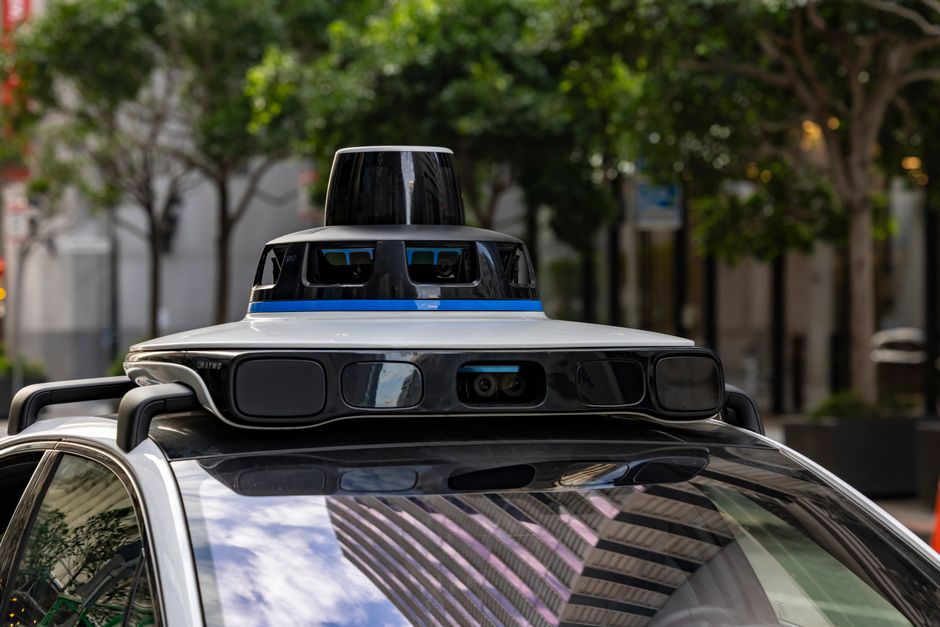
Let’s be clear: this isn’t just about convenience or cutting-edge gadgets. The real battle isn’t just about market share; it’s about setting the global standard for data, infrastructure, and even urban planning. Robotaxis aren’t just cars; they are mobile data centers, constantly collecting information about traffic patterns, passenger behavior, and city layouts. Whoever controls this data, controls a powerful lever for future development, economic influence, and even surveillance. **Can China** consolidate this power without significant pushback from nations suddenly realizing the full extent of this technological dependency?
The mainstream narrative often focuses on the “cool factor” of driverless cars, missing the deeper implications. While Western companies like Waymo and Cruise have made strides, their rollout has been cautious, hindered by regulatory hurdles and a strong emphasis on profit over scale. China, with its top-down approach and a government keen to lead in strategic technologies, can fast-track deployment, subsidize services, and quickly overcome obstacles that would stymie competitors. Of course, privacy concerns and the potential for technological overreach are legitimate counterarguments, and these will undoubtedly be raised. However, in the race for global dominance, often speed trumps caution. The economic disruption to traditional taxi and ride-share industries will be monumental, yet few are truly prepared for the scale of job displacement this technology promises.
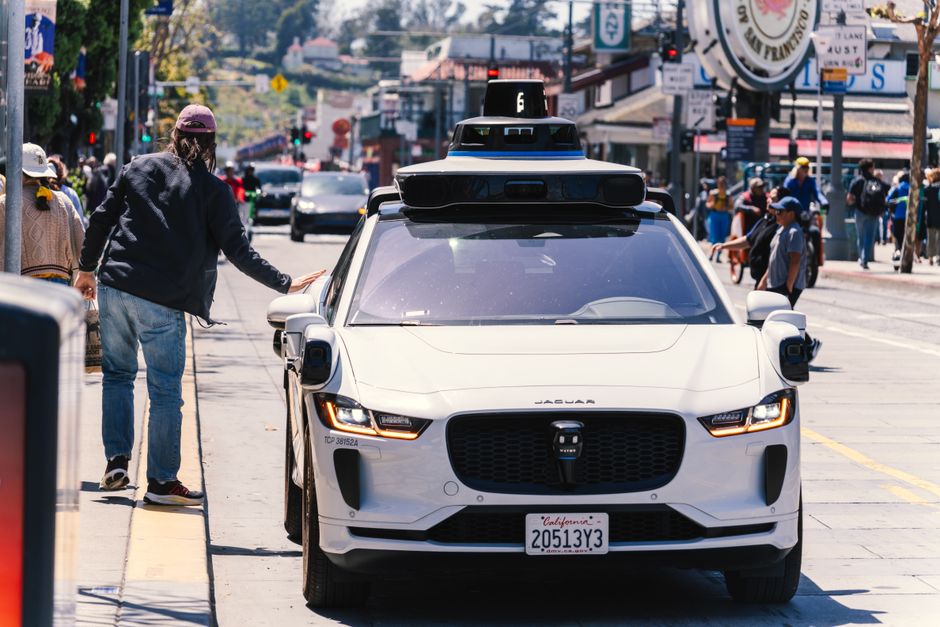
This isn’t merely about selling a product; it’s about exporting an entire technological ecosystem, complete with its own standards and protocols. The coming weeks will reveal if the world is ready for this new paradigm, or if **can China** be challenged on this strategic front before their self-driving ambitions become an unassailable reality. The stakes are higher than just self-driving cars; they encompass the future of urban life itself.
Source: BBC Asia