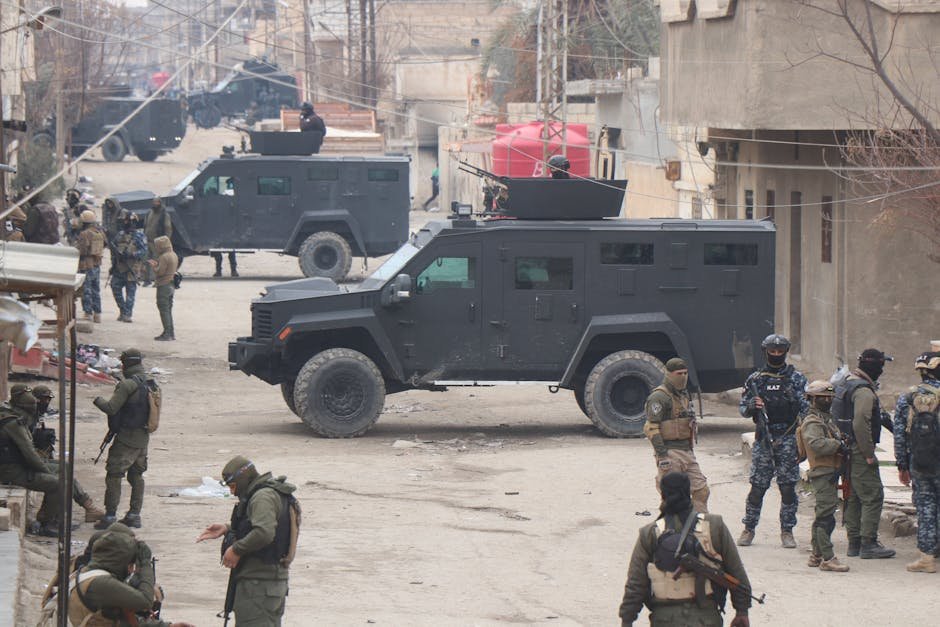
Israel ceasefire frames the debate here: When is a ceasefire not a ceasefire? When it’s just a strategic pause for some countries to regroup while the world looks away. This is the paradox of international diplomacy in the Middle East, and it’s playing out yet again as Israel pushes for action amid calls for restraint from the US and other global powers.
Why Israel ceasefire matters now
According to Al Jazeera, tensions are high as Israel seeks to intensify its military operations even while the US champions a ceasefire amid escalating violence. This situation embodies a classic case of conflicting interests where one nation’s quest for security collides with another’s plea for peace.
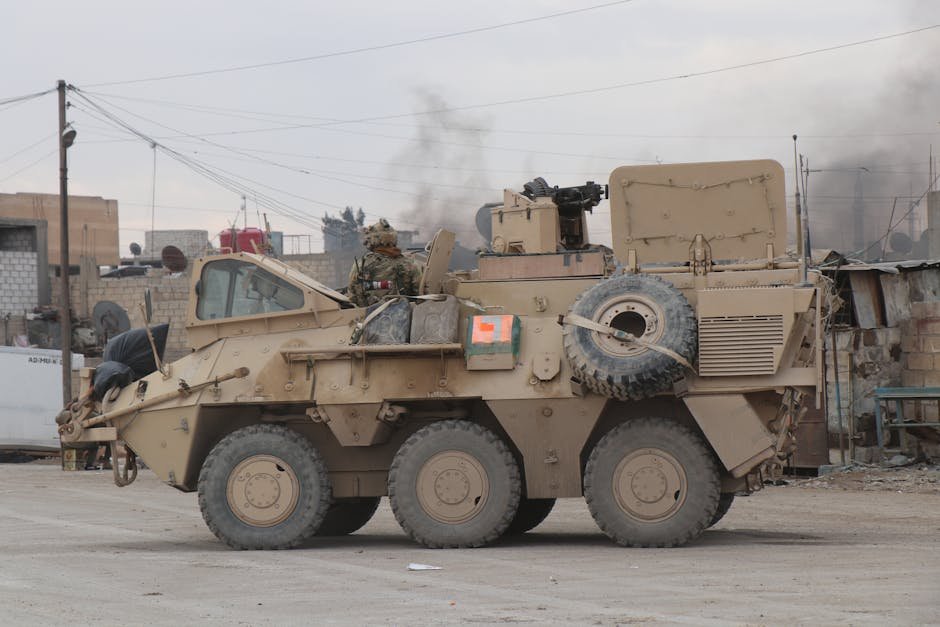
This scenario is critical because it exposes the fragility of diplomacy in the region. The players are well-known: Israel, emboldened by a sense of urgency to act decisively against perceived threats, and the US, currently advocating for a pause in hostilities to allow for humanitarian relief efforts. The backdrop of this tension is a long history of conflict, with the potential for catastrophic consequences rising daily.
The stakes around Israel ceasefire
Now, let’s get to the hot take: Israel’s insistence on military action may stem from a belief that delaying further incursions would invite more danger, yet it risks alienating its allies, particularly the United States. The irony here is thick. Washington urges restraint while Jerusalem’s military appetite remains insatiable. If Israel continues down this path, it could find itself increasingly isolated on the global stage, facing backlash not only from its adversaries but also from sympathetic nations that are growing weary of the bloodshed.
On the flip side, one could argue that Israel has always operated under a philosophy of preemption; waiting too long to act could expose them to existential threats. However, that mentality could also lead to miscalculations, escalating violence and undermining any possible diplomatic resolutions. The mainstream media often frames this conflict as a dichotomy of “good guys” versus “bad guys,” but the truth is far more complex. This narrative ignores the suffering of civilians caught in the crossfire and the potential for radicalization on both sides if peace remains elusive.
In the end, the stakes couldn’t be higher: Israel risks losing not just international support but also its moral high ground. As we watch this geopolitical chess game unfold, one must wonder if a more aggressive stance will lead to a stronger Israel or if it will merely intensify its isolation. Will this be the moment that changes the narrative, or just another chapter in a never-ending cycle of violence? The world awaits, but this time, we might not like what comes next.
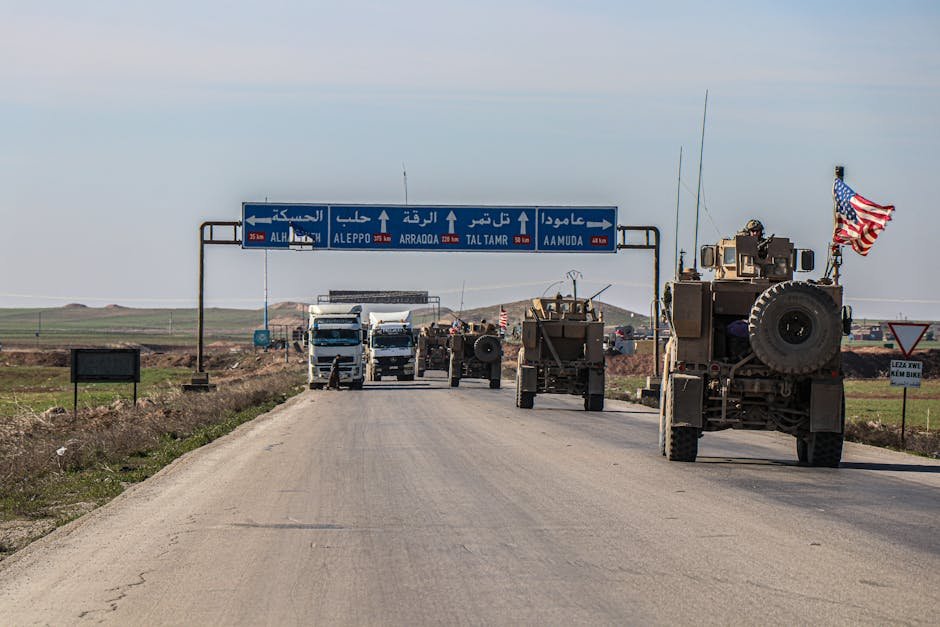
Source: Google — Middle East