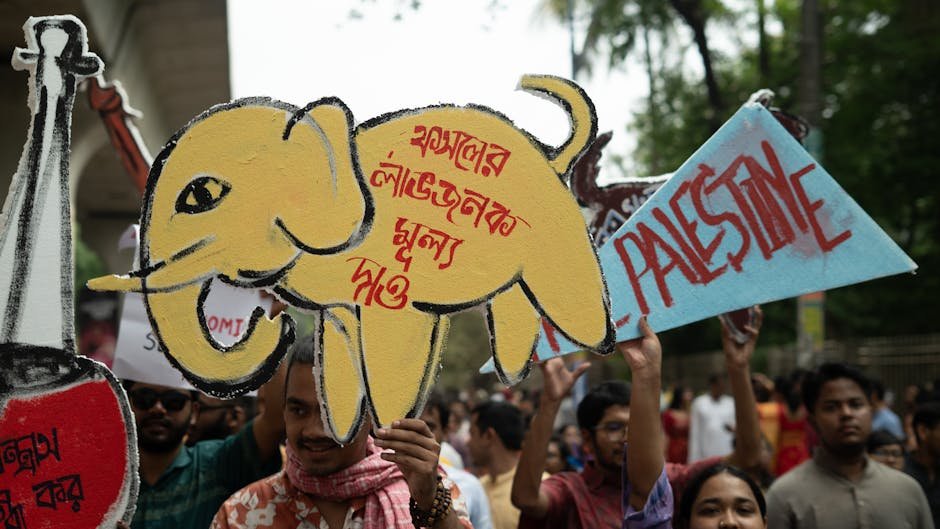
What if a collective of disillusioned youth rises up to reclaim their stake in politics? This isn’t a scene from a dystopian novel; it’s happening right now in South Asia. As the winds of change blow through the region, the question looms larger than life: can the youth movement truly threaten the status quo?
According to The Guardian, the youth in India are mobilizing with a vigor that hasn’t been seen in decades. They are tired of the old guard’s failures, and they are ready to shake the foundations of a political system that has long ignored their voices.
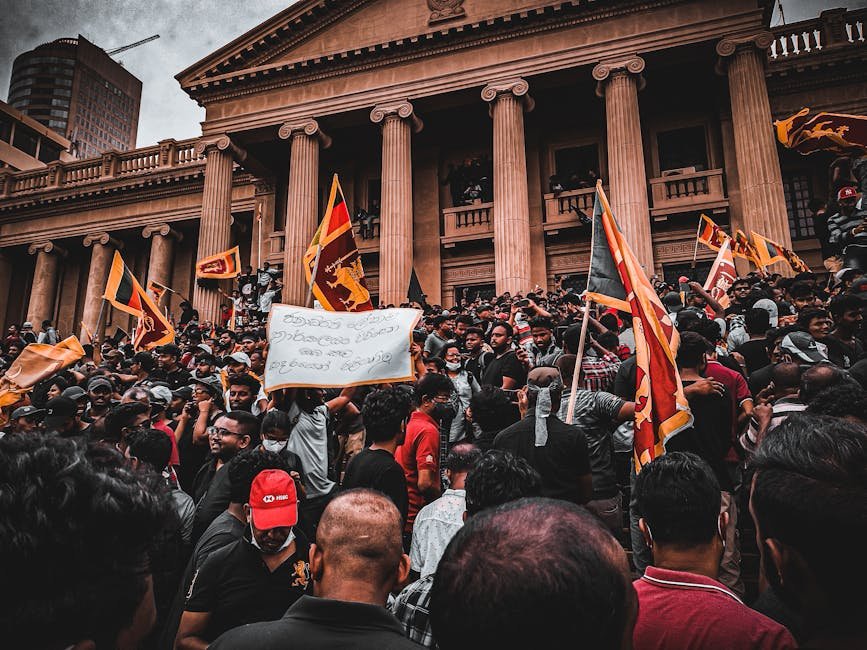
The Rise of Youth in South Asia
This movement matters now more than ever because young people represent a significant demographic in South Asia. In India, over 50% of the population is under 25. These are the frustrated voters who have grown up with broken promises, stagnant job markets, and a political landscape that often feels like a circus. It’s no wonder that they are starting to organize and demand accountability. The dissatisfaction is palpable, especially as they watch the older politicians squabble over power while their futures hang in the balance.
The players in this unfolding drama are not just the youth, but also the entrenched political parties that have ruled for decades. The Bharatiya Janata Party (BJP) and the Indian National Congress have been slow to adapt, with their appeals often falling flat in the face of new realities. The youth are not just looking to change parties; they want to overhaul the entire game.
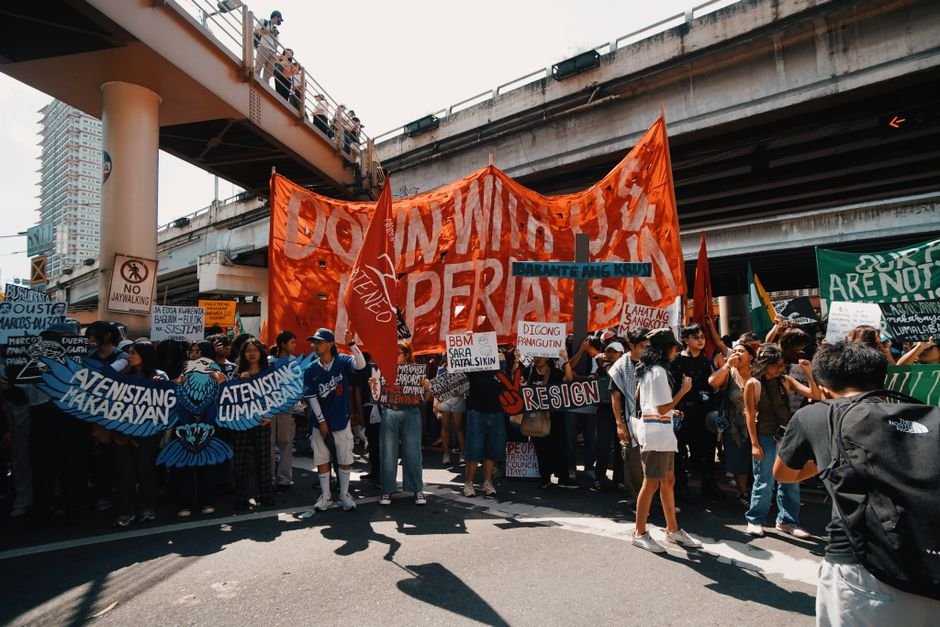
Who Wins When Youth Unite?
If this movement gains momentum, the potential for change is enormous. However, the mainstream narrative is missing a critical point: the establishment will not go down without a fight. The old guard has resources, media influence, and a labyrinthine grip on power that won’t easily slip. If they underestimate the youth, they may find themselves blindsided by a wave of electoral discontent.
Yet, failure to recognize the urgency of the youth’s demands could lead to dire consequences. Politicians who ignore these calls for change risk not just their seats but also an entire generation’s trust. It’s a dangerous gamble, especially in a country where political apathy has historically favored incumbents.

But let’s not sugarcoat it. There’s a risk that the youth may lack the experience to navigate the treacherous waters of political engagement. The idealism that fuels their passion could easily become disillusionment if they encounter the same old tricks of divide-and-conquer tactics used by the powerful.
In the end, this youth movement in South Asia is a double-edged sword. It has the potential to rejuvenate a stagnant political landscape but also carries the risk of deeper frustration if their aspirations are thwarted.
As this story unfolds, one can’t help but wonder: will the youth of South Asia succeed in creating a new political narrative, or will they be crushed under the weight of an unyielding status quo? The stakes have never been higher, and the world is watching.
Source: Google — South Asia