
In a world that often prioritizes hustle culture, the rise of a quieter, more contemplative lifestyle in South Asia is turning heads—and it’s worth a staggering $12 billion. As urban centers become overwhelmed by noise and chaos, a seismic shift is happening, one that values serenity over status and tranquility over tenacity.
According to NDTV, this transition is not merely anecdotal; it’s rooted in a burgeoning market that’s gaining traction across urban India. People are increasingly choosing peaceful living—think wellness retreats, eco-friendly products, and holistic health practices—over the traditional rat race that has defined much of the region’s landscape.
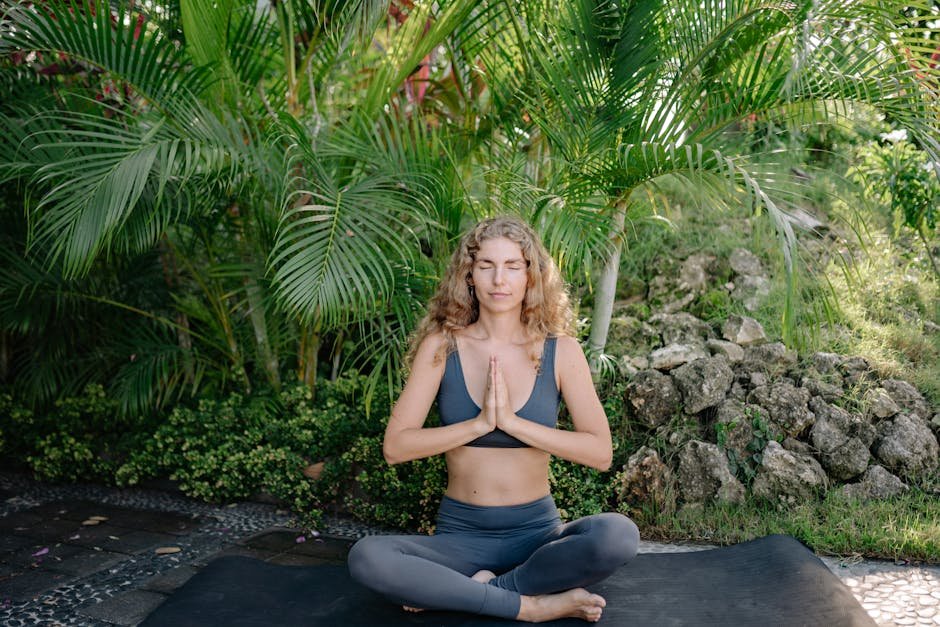
The Shift Toward Tranquility in South Asia
This shift is particularly timely. With the pandemic having forced many into introspection, the demand for a quieter lifestyle has skyrocketed. What once seemed like a niche interest is now entering the mainstream, catching the eye of investors eager to capitalize on this trend. The development of wellness industries is not just a passing fad but a reflection of deeper societal changes in South Asia, where modernity often clashes with tradition.
Who are the players in this market? Consumers are tired of the relentless pace of urban life. Millennials and Gen Z, in particular, are leading the charge toward this new lifestyle—favoring experiences that nurture their mental well-being. Brands that offer sustainable products and services are seeing a renaissance, as consumers become increasingly environmentally conscious. In a sense, this shift marks a reclamation of agency in a rapidly changing world, where slower, mindful living is the antidote to stress.
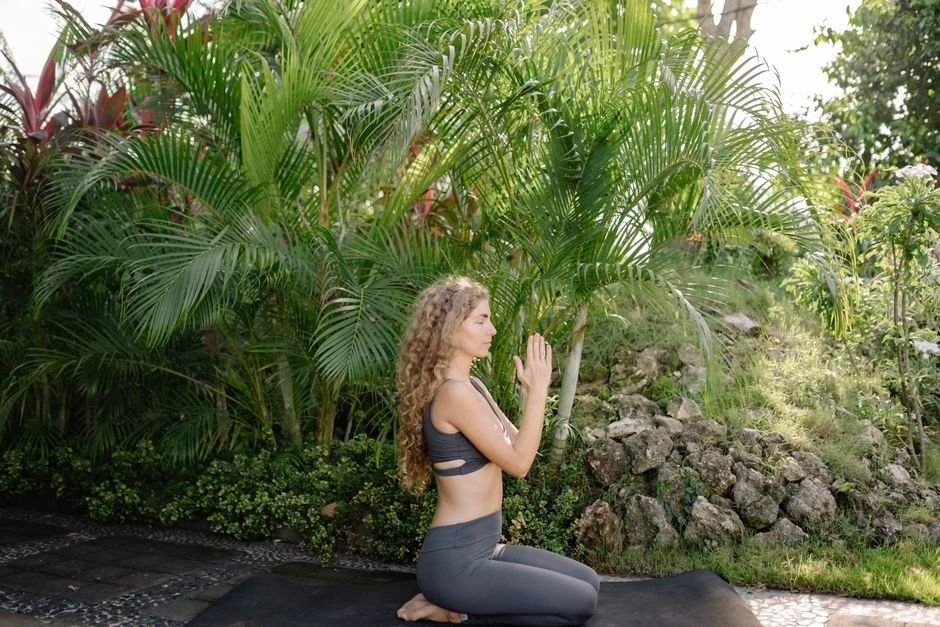
The Winners and Losers in South Asia’s Lifestyle Shift
So, who stands to gain the most from this trend? Clearly, businesses that cater to the wellness market are positioned to soar. Yoga studios, organic food suppliers, and mindfulness apps are all on the rise, creating a multi-billion-dollar industry that reflects changing values. However, this shift does not come without risks. It could very well deepen the divide between urban and rural communities, as wealthier urban dwellers pursue wellness at the cost of alienating those who cannot afford such luxuries.
Moreover, the mainstream media often overlooks the undercurrents of privilege that accompany this lifestyle change. While the idea of quietude sounds appealing, it’s essential to recognize how accessibility plays a pivotal role in who can actually engage in these practices. For many, the quiet lifestyle is a privilege—a reflection of socio-economic standing that cannot be ignored.

As South Asia’s urban dwellers lean toward this newfound serenity, will the movement continue to thrive, or will it devolve into yet another trend, only accessible to the affluent? It’s a compelling question that demands attention from marketers, policymakers, and consumers alike.
In a rapidly evolving world, the call for a quieter existence may be more than just a passing trend; it could signal the beginning of a significant cultural realignment. As urban India steps into this new era, let’s hope it brings everyone along for the ride, or risk leaving the most vulnerable behind while chasing tranquility. The stakes are high, and the choices we make today in South Asia will echo into the future.
Source: Google — South Asia